


Check-in

Tay Ninh Through Cao Dai Rituals, Khmer Dance and the Flavours of Southern Vietnam
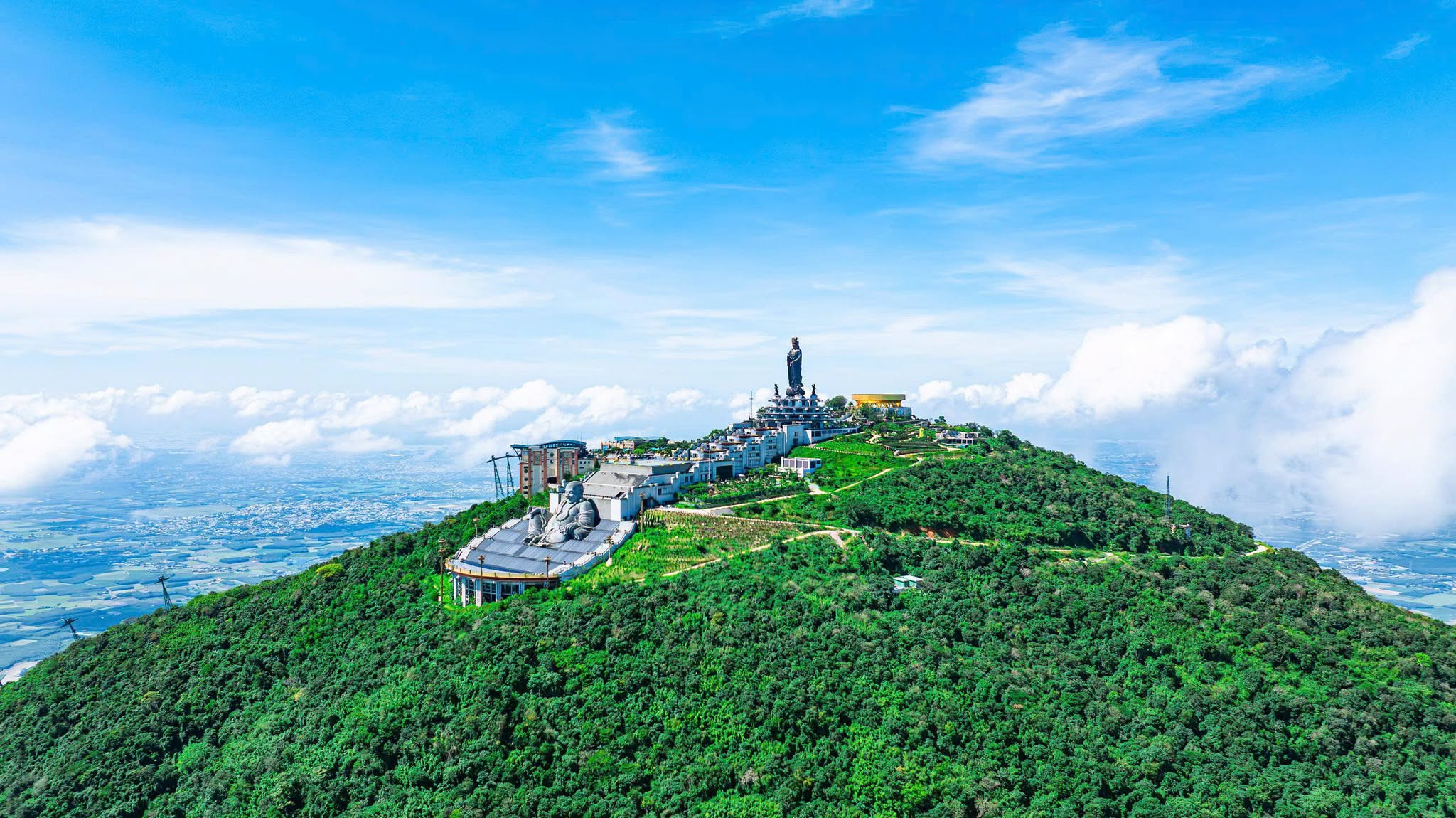
Ba Den Mountain, the highest peak in southern Vietnam, is one of Tay Ninh’s most prominent spiritual and cultural destinations, drawing visitors and Buddhist pilgrims from across the country.
At exactly noon, rows of Cao Dai worshippers dressed in white enter the main sanctuary at the Cao Dai Holy See in Tay Ninh, accompanied by chanting and ceremonial music. On Ba Den Mountain, pilgrims respectfully offer incense at the shrine dedicated to Linh Son Thanh Mau, while monumental Buddhist statues emerge against a backdrop of clouds and open skies at nearly 1,000 metres above sea level.
Located just a short distance apart, these two religious sites reflect the spiritual traditions that have shaped Tay Ninh across generations. In November 2026, alongside visits to the province’s well-known attractions, travellers will have the opportunity to explore the cultural heritage of southern Vietnam through activities showcasing local arts and traditions, as the country prepares to mark Vietnam Culture Day on November 24.
Standing 986 metres above sea level, Ba Den is the highest mountain in southern Vietnam and a long-established pilgrimage destination for people across the region. The mountain is closely associated with the worship of Linh Son Thanh Mau, widely known as Ba Den.
According to local legend, Ba Den was once a young woman named Ly Thi Thien Huong, who has been revered by local people for generations. Halfway up the mountain, Linh Son Tien Thach Pagoda and Dien Ba Shrine are among the key stops for pilgrims. Nestled against the rocky slopes, these ancient places of worship preserve the enduring traditions of devotion associated with the mountain.
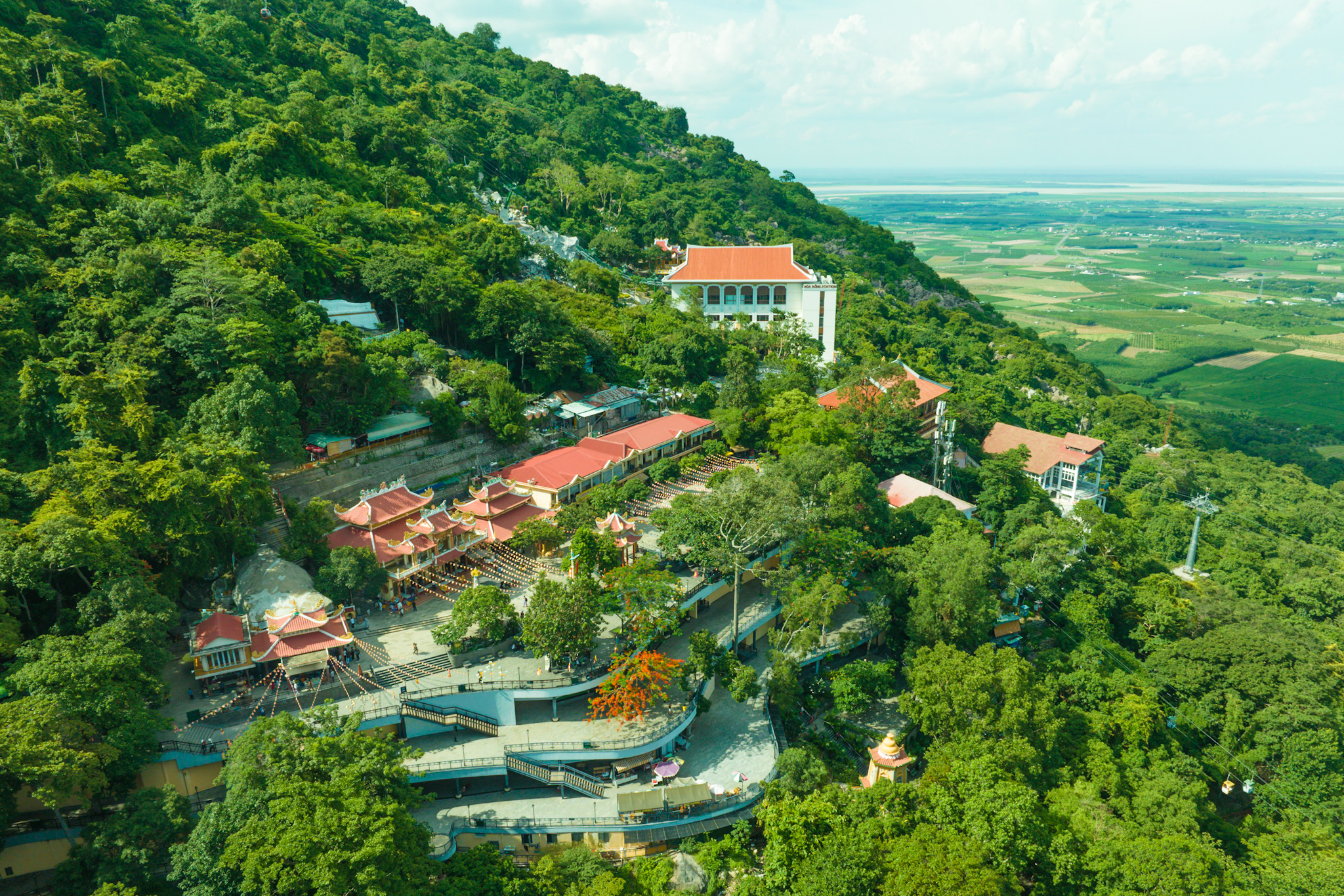
Dating back nearly 300 years, the pagoda complex on the slopes of Ba Den Mountain has long been a place of pilgrimage for worshippers of Linh Son Thanh Mau.
From here, a cable car carries visitors to the summit, where a striking ensemble of Buddhist architecture rises above the clouds. Among its most prominent landmarks is the 72-metre bronze statue of Tay Bo Da Son, depicting the Bodhisattva of Mercy. On Saturday evenings, the mountain takes on a more contemplative atmosphere during the lantern-lighting ceremony, when visitors gather to offer prayers for peace and good fortune.
November also brings opportunities to experience the cultural traditions of the Khmer community. Among the performances is Chhay-dăm, a traditional drum dance recognised as a National Intangible Cultural Heritage in 2014. Driven by the forceful beat of the drums, performers execute energetic turns and powerful, martial-arts-inspired movements in a display that draws on both dance and combat techniques. More fluid folk dances, accompanied by the vivid colours of traditional Khmer costumes, provide a contrasting expression of the community’s artistic heritage.
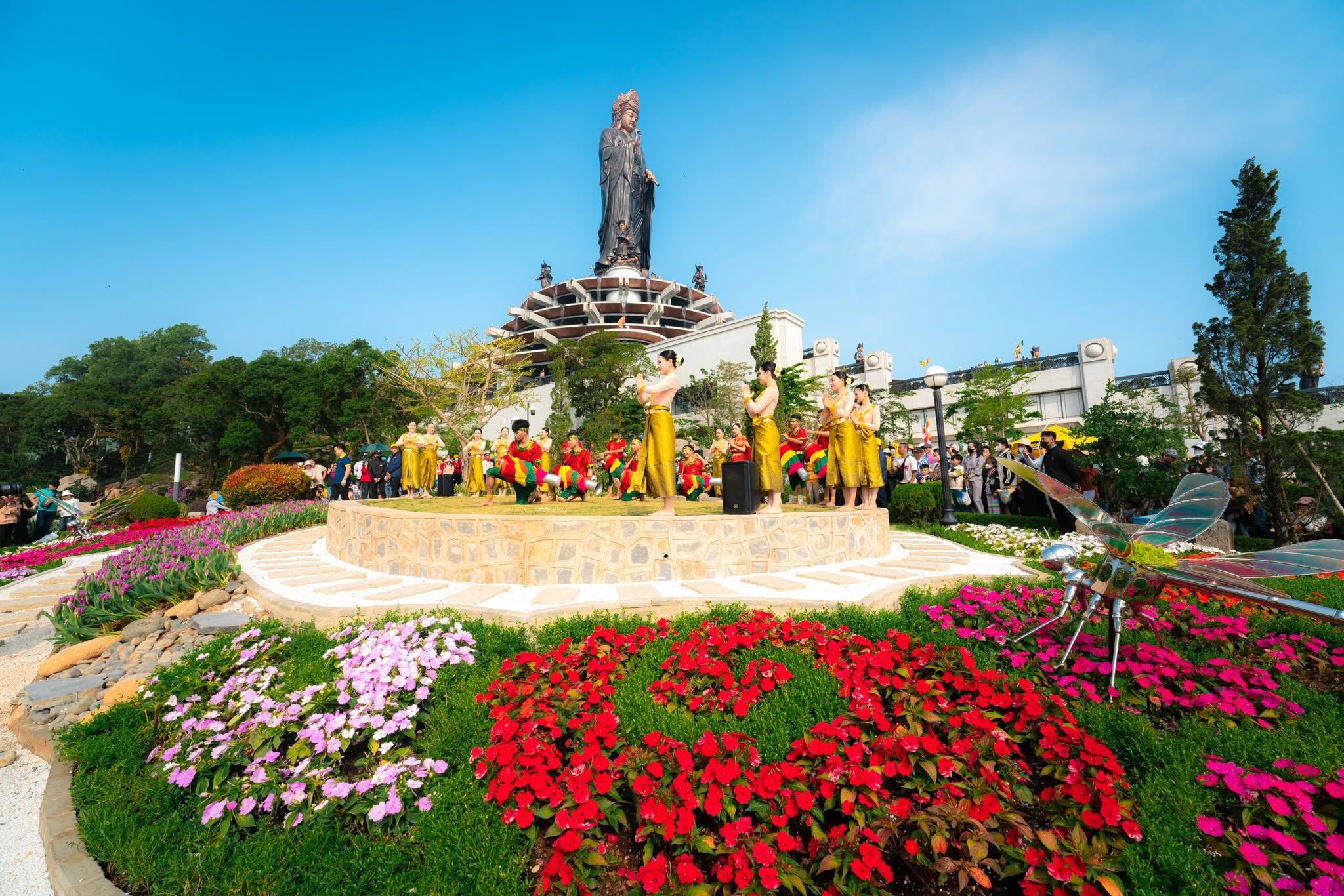
Colourful Khmer dance performances bring a lively cultural dimension to the Buddhist complex atop Ba Den Mountain, adding another layer to the mountain’s appeal.
Beyond its longstanding association with the worship of Linh Son Thanh Mau, Ba Den Mountain offers a glimpse into the cultural traditions of southern Vietnam. Here, religious devotion and Khmer performing arts come together, reflecting the diverse heritage of the region.
2026 marks 100 years since the founding of Cao Dai, a religion that originated in southern Vietnam in 1926. At the heart of the faith stands the Cao Dai Holy See in Tay Ninh, an architectural landmark distinguished by its vivid colours, dragon-adorned columns and the Divine Eye, the religion’s defining symbol.
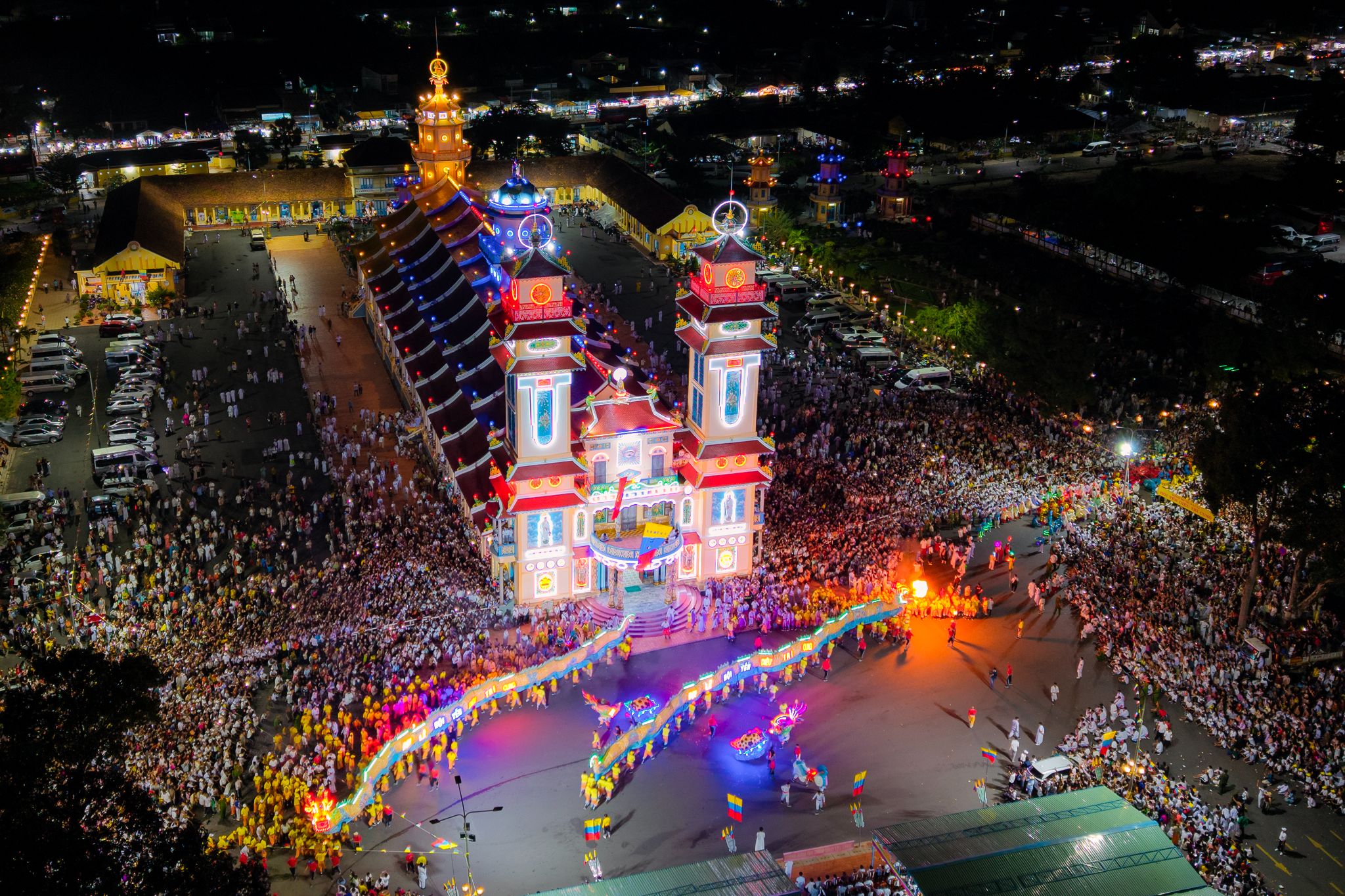
The Cao Dai Holy See in Tay Ninh comes alive with colourful lights and festive activities, showcasing the distinctive spiritual traditions of the province.
A visit at noon offers a chance to witness one of the Cao Dai Holy See’s daily rituals. From the designated visitor area, travellers can watch worshippers gather in the main sanctuary for the midday prayer ceremony. Both the architecture and the elaborate rituals speak to the distinctive character of Cao Dai, a homegrown Vietnamese religion that draws on and brings together ideas from different religious traditions.
The cultural fabric of Tay Ninh is also shaped by its Khmer community. Near Ba Den Mountain, Khedol Pagoda provides a window into the community’s religious and cultural life. For Khmer people, the pagoda serves not only as a place of worship but also as a focal point for community gatherings, traditional festivities and the transmission of customs from one generation to the next.
The Cao Dai Holy See tells the story of a distinctly Vietnamese faith established a century ago, while Khmer pagodas offer a glimpse into the traditions that continue to shape community life today. Together with Khmer dance performances on Ba Den Mountain, these sites add further depth to a journey through Tay Ninh, taking visitors beyond its better-known pilgrimage landmarks.
No exploration of Tay Ninh would be complete without discovering its local cuisine, an expression of the region’s character and everyday way of life.
Along the route from Ho Chi Minh City to Tay Ninh, the town of Trang Bang is best known for its bánh tráng phơi sương, or dew-exposed rice paper, a traditional craft recognised as a National Intangible Cultural Heritage. Its distinctive texture comes from a carefully timed process: after being steamed and grilled, the rice paper is left outdoors overnight to absorb the morning dew, which gives it a characteristic softness and pliability. Behind this seemingly straightforward technique lies a craft that demands years of experience and a keen sensitivity to the changing weather.
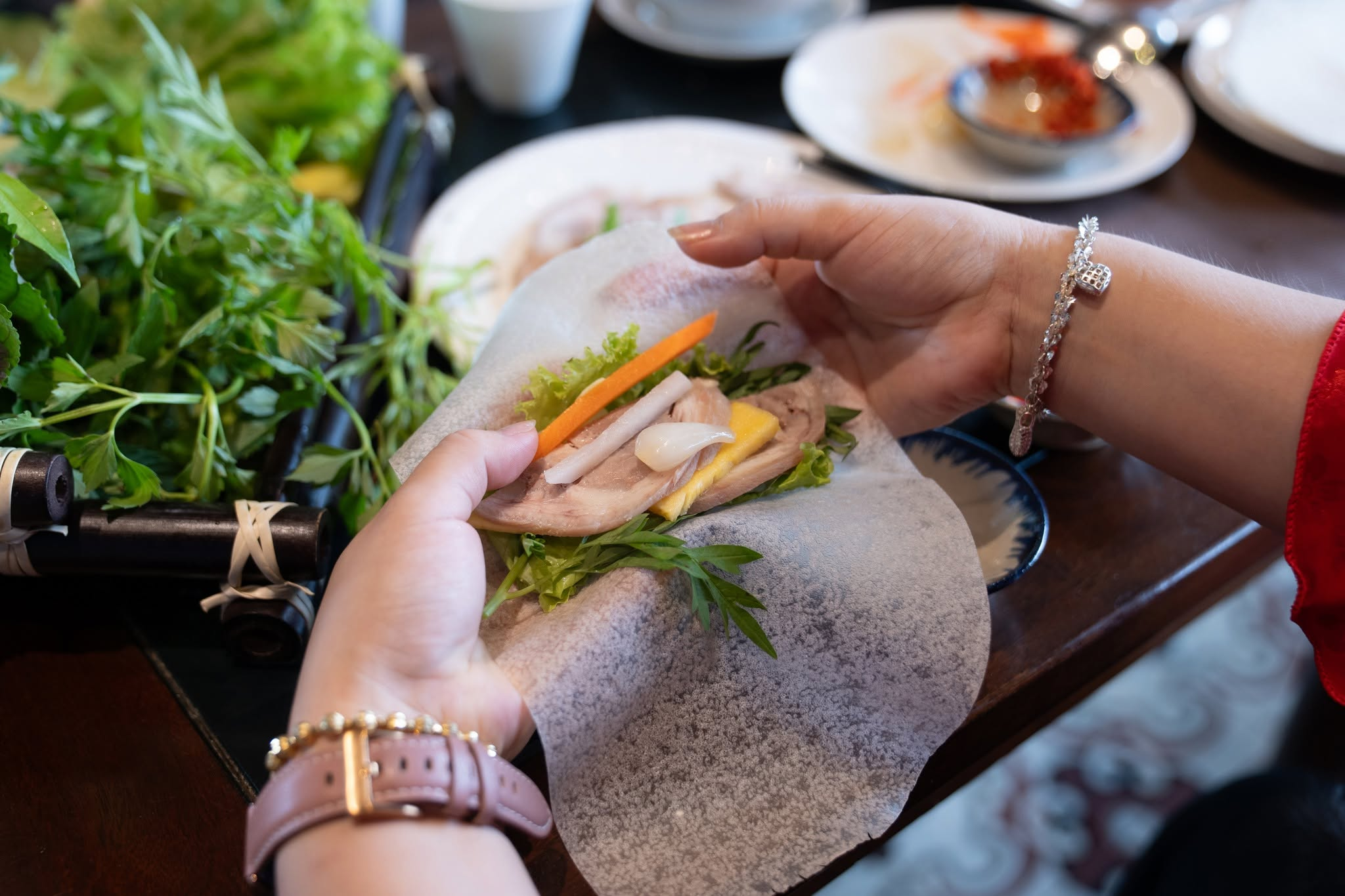
Trang Bang dew-kissed rice paper, one of Tay Ninh’s signature specialities, is traditionally served with boiled pork, wild greens and a richly flavoured dipping sauce.
A typical serving brings together thin sheets of rice paper, slices of tender boiled pork, fresh herbs and wild vegetables, all wrapped into delicate rolls and dipped in locally seasoned fish sauce. Alongside Trang Bang noodle soup and Tay Ninh’s famous shrimp salt, the dish offers a glimpse into the culinary heritage of southern Vietnam, where familiar ingredients are transformed into flavours deeply rooted in local traditions.
November heralds the onset of Tay Ninh’s dry season, when more settled weather makes it an ideal time to explore the province’s outdoor attractions. Travellers from Ho Chi Minh City can visit Ba Den Mountain and the Cao Dai Holy See on a day trip, or extend their stay to discover Khmer pagodas and traditional craft villages.
With Vietnam Culture Day on November 24 approaching, Tay Ninh presents an opportunity to discover a lesser-explored dimension of the country’s cultural landscape. From sacred mountains and distinctive religious architecture to traditional performing arts and regional cuisine, the province reveals the many layers of southern Vietnamese identity, where centuries-old beliefs and customs continue to shape everyday life.
Let's start your vacation!

Special offer up to 30% when booking tickets on the Sun Paradise Land app
Related topics

