


Travel News

When getting around becomes part of the travel experience in Phu Quoc
An island filled with luxury resorts does not automatically become a tourism city in the fullest sense, particularly if visitors spend most of their time inside self-contained resort enclaves.
According to Pham Trung Luong, former Deputy Director of the Institute for Tourism Development Research, what distinguishes a tourism city is the way its broader urban space and local life are organised so that the destination itself becomes part of the visitor experience.
That means tourism does not begin and end at the resort gates. Visitors encounter the destination through its transport system, architecture, public spaces and local culture.
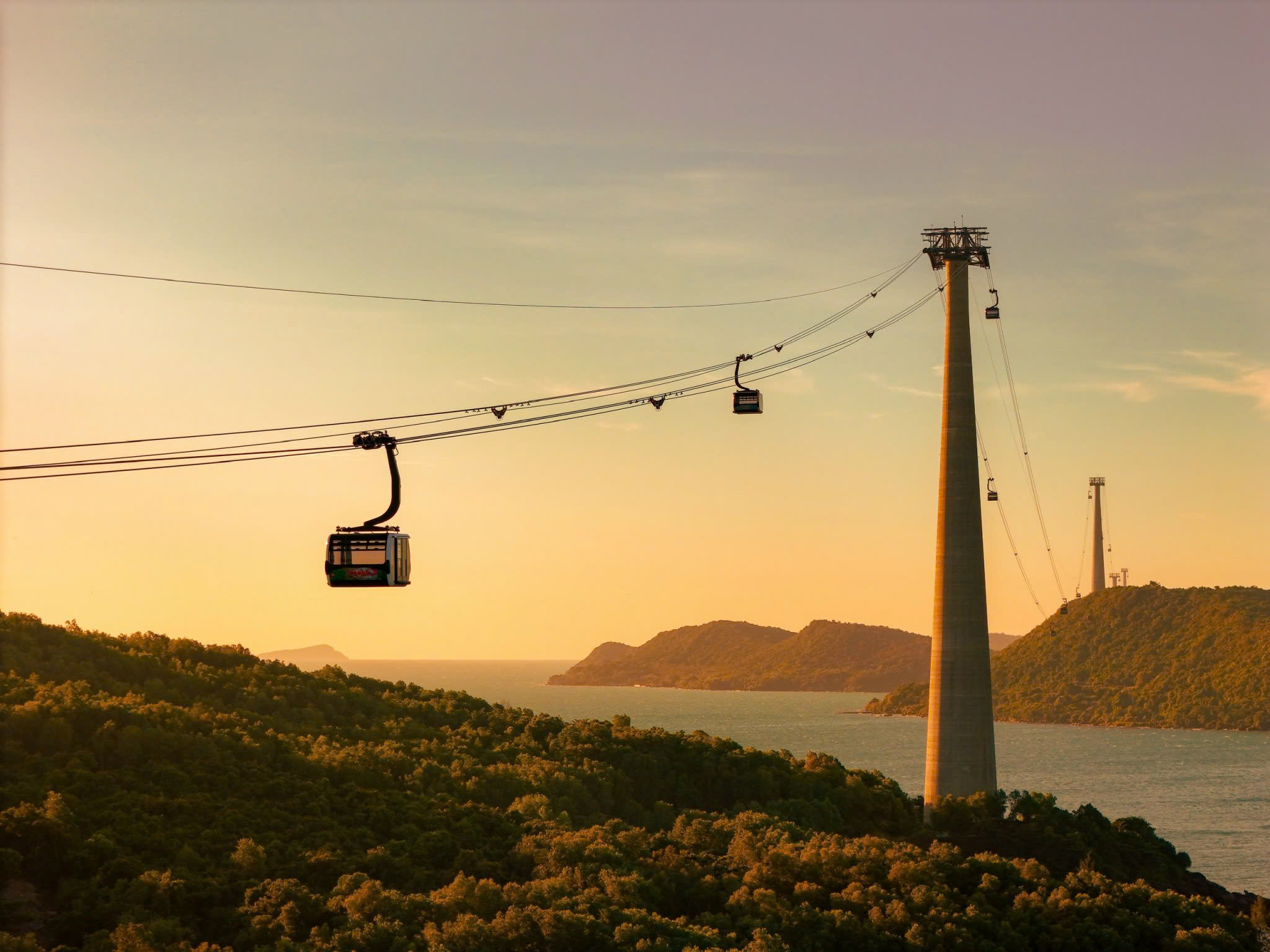
The Hon Thom cable car turns the journey between An Thoi and Hon Thom Island into an aerial sightseeing experience, making transport itself part of the tourism product.
That idea can increasingly be seen in the ecosystem Sun Group has developed in southern Phu Quoc in recent years, where transport infrastructure is becoming part of the experience rather than simply a means of getting from one place to another.
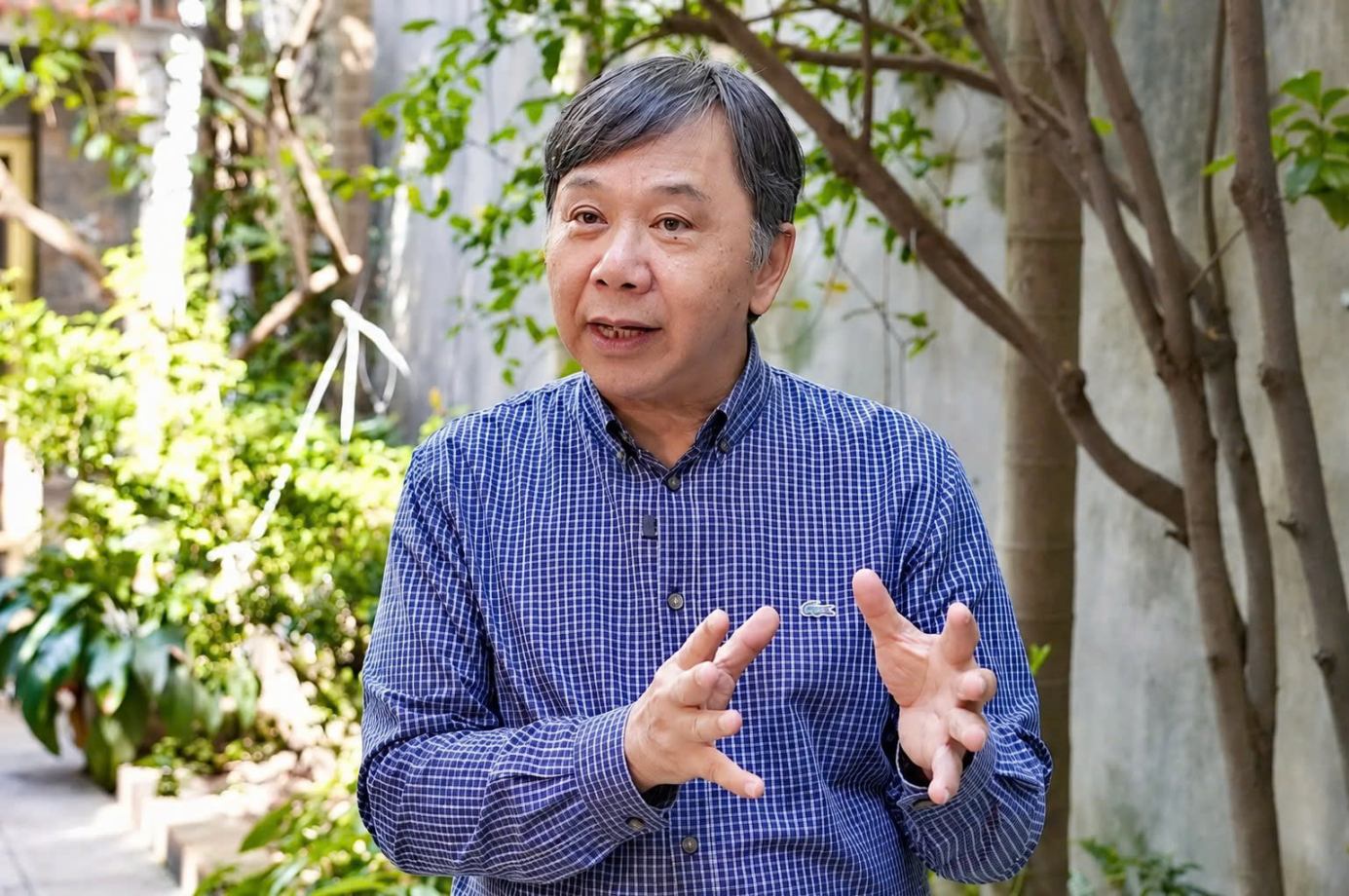
Assoc. Prof. Dr Pham Trung Luong argues that in a tourism city, transport, architecture and public space should all form part of the visitor experience.
The Hon Thom cable car is perhaps the clearest example. Functionally, it connects An Thoi with Hon Thom Island. For visitors, however, the journey offers far more than simple transportation. Suspended above the sea, passengers are given sweeping 360-degree views of turquoise waters, unspoilt islands and colourful fishing boats below.
The journey itself becomes a tourism product — one capable of generating both revenue and lasting memories.
Luong also cites the Hon Thom cable car as an example of how “connecting infrastructure can itself become a tourism experience, while also leading visitors towards other attractions and services”.
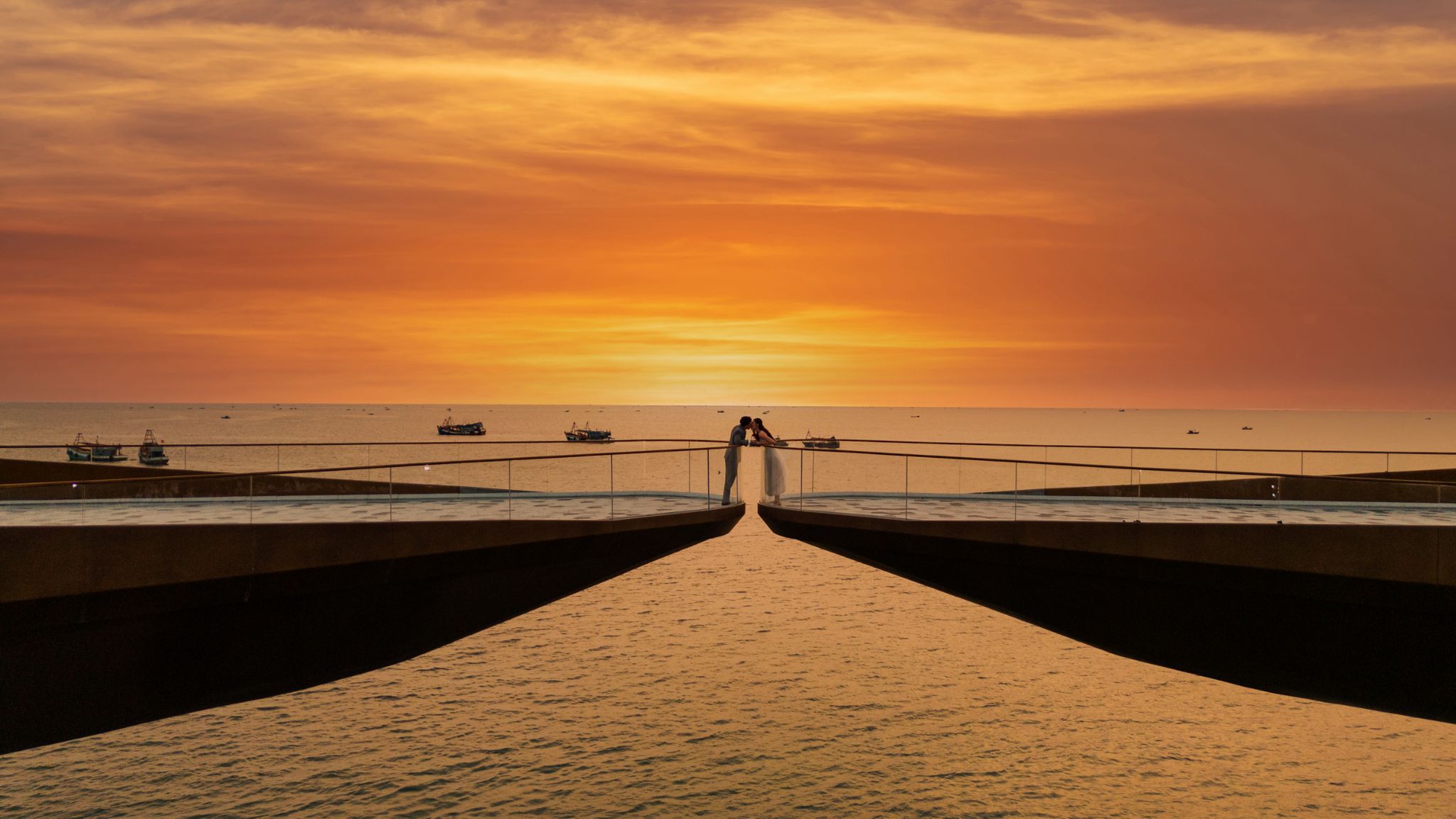
Kiss Bridge — the world’s only bridge not made for walking, but for kissing
The use of architecture to create an experience in its own right is taken a step further at Kiss Bridge.
Bridges are normally built to connect two banks of a river or stretch across a bay. Kiss Bridge serves no such transport function.
Created through a collaboration between Sun Group and Italian architect Marco Casamonti, the structure consists of two arms that stop just short of meeting and was designed specifically around the sunset on Phu Quoc’s south-western coast.
The gap between the two sides measures about 30 centimetres — just enough for a couple to reach across for an embrace or a kiss. At sunset, the sun appears to descend precisely between the two arms, creating the spectacle around which the bridge was conceived.
Shortly after the bridge opened, CNN Travel featured it under the headline: “Vietnam’s new bridge is for kissing, not for crossing.”
Phu Quoc is entering another important phase in 2026–2027 as a new generation of infrastructure is developed in preparation for APEC 2027.
The event places significant demands on the island’s transport network, airport and conference facilities, not only in terms of scale and quality but also operational capacity.
Among the most significant projects is a light rail transit system connecting Phu Quoc International Airport with the APEC event district.
Stretching nearly 18 kilometres, the LRT is being developed to serve visitors, delegates and local residents alike. Stations along the route are planned around architectural and cultural references to Vietnam’s northern, central and southern regions.
As a result, visitors travelling from the airport towards southern Phu Quoc will begin encountering elements of Vietnamese culture before they have even reached their destination.
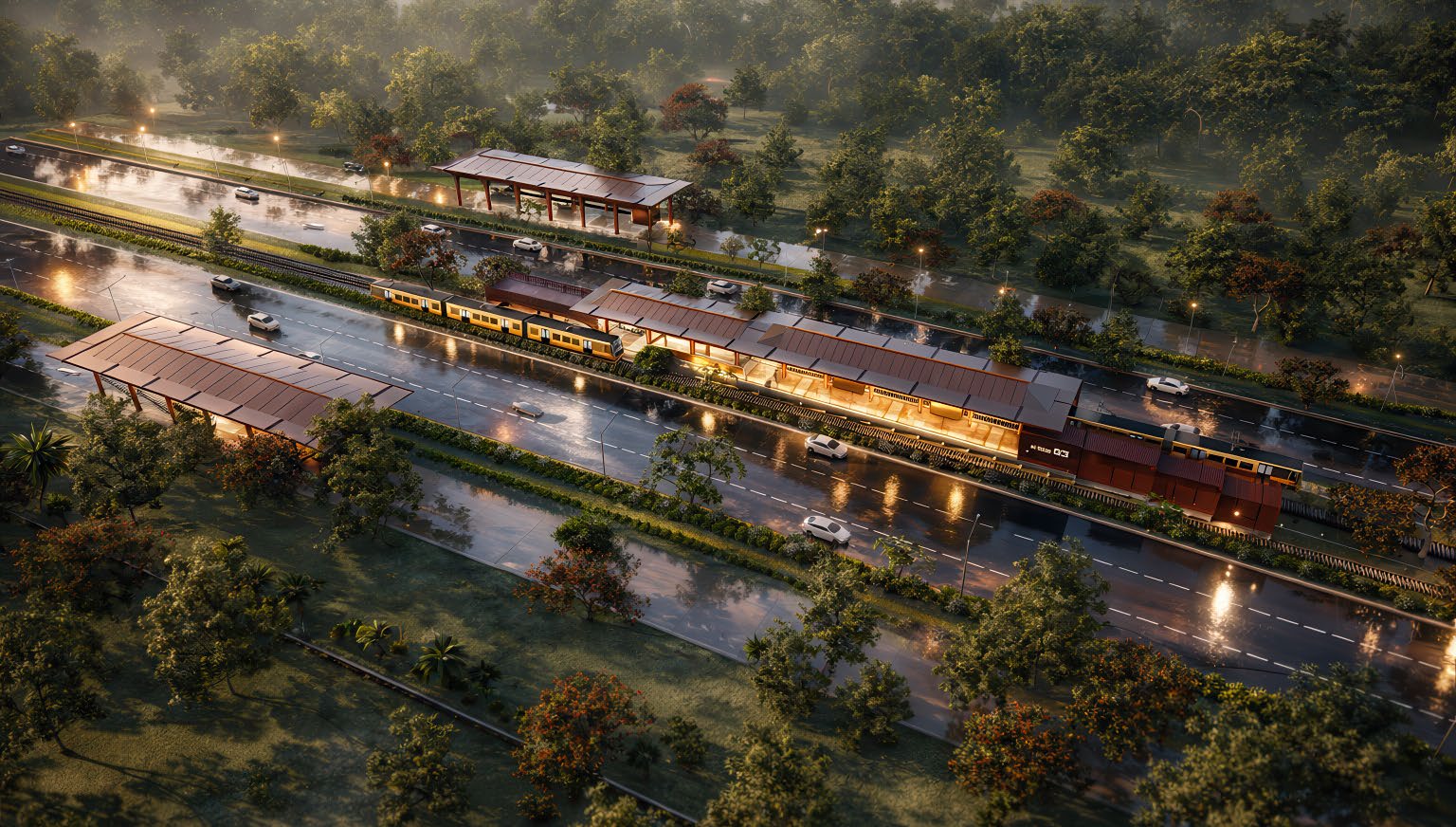
An artist’s impression of LRT Station No 3, whose design draws inspiration from the architecture of the former imperial capital of Hue.
If the LRT brings cultural references into the journey south, the architecture of Phu Quoc International Airport is intended to begin telling the story of the destination from the moment passengers arrive.
Terminal 2 takes inspiration from the image of a fire phoenix, guiding travellers through spaces shaped around different interpretations of nature. The arrivals area evokes the ocean, with coral-inspired details and undulating ceilings, while the departures area adopts a more tropical, forest-like character.
The VIP terminal, redesigned by architect Marco Casamonti, takes cues from the eagle ray, combining forms reminiscent of traditional Vietnamese communal-house roofs with references to the sea.
Local elements including pearls, pepper and images of fishing-village life are incorporated into a contemporary architectural language, giving the airport gateway a stronger sense of Phu Quoc identity.
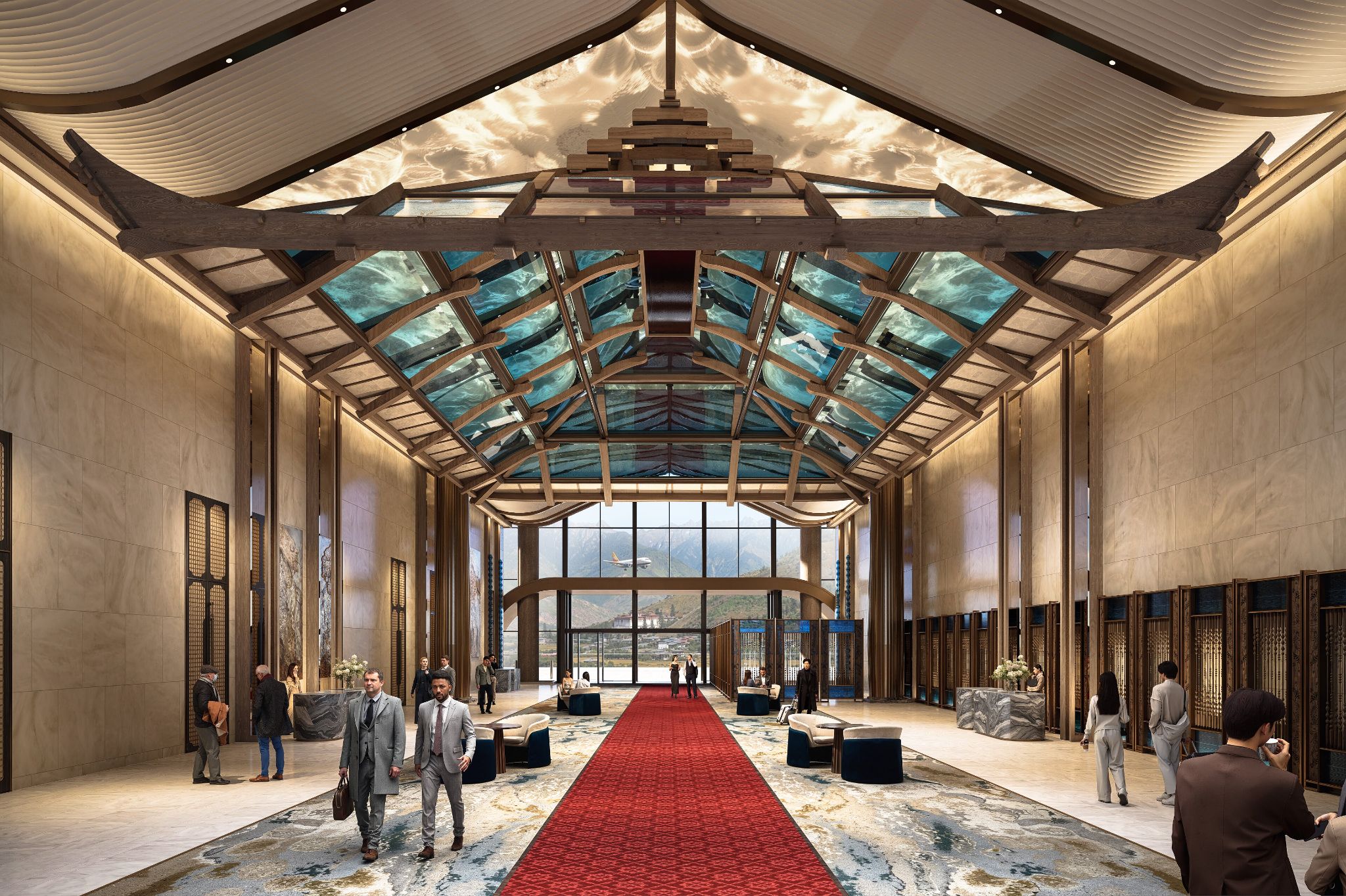
The interior of the VIP terminal at Phu Quoc International Airport recalls the roof forms of a traditional Vietnamese communal house.
Alongside the architecture, Changi Airports International is involved in management and operations, as well as plans to introduce more touchless technology aimed at creating a smoother passenger journey.
The idea of turning infrastructure into an experience is perhaps most evident in the Convention and Exhibition Centre and Multi-Purpose Performance Centre.
With design consultancy from SOM, the two buildings draw on the traditional Vietnamese concept of “round heaven, square earth” as well as the image of ocean waves.
Beyond conference facilities, the performance venue is also being developed to accommodate a “dinner show” format, combining dining with live entertainment and extending the experience for event delegates beyond the formal programme.
After APEC, the complex could continue to host conferences, exhibitions and international cultural and entertainment events, helping Phu Quoc attract visitors throughout the year.
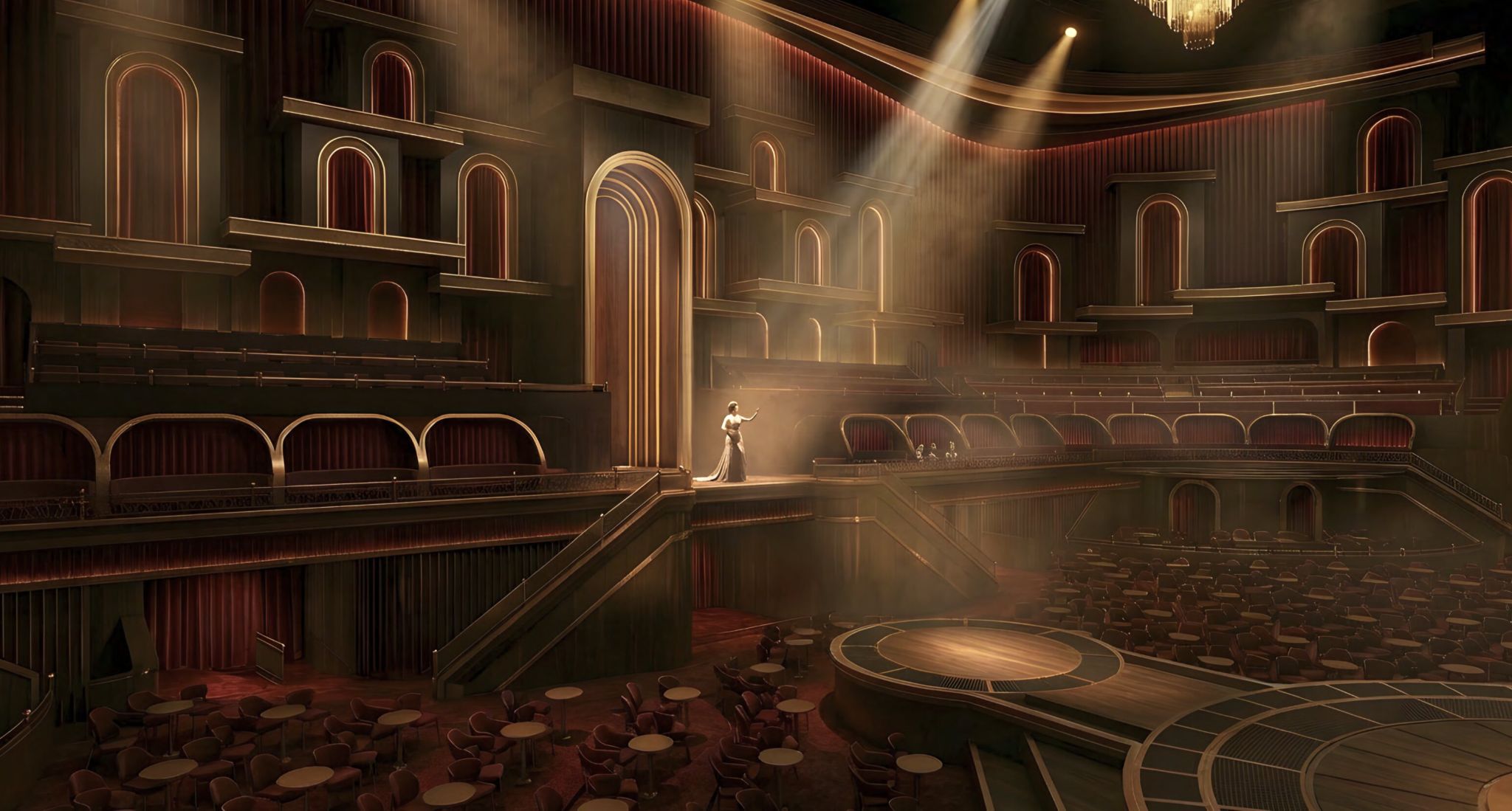
The “dinner show” space inside the Convention and Exhibition Centre combines dining with live performance, bringing entertainment directly into Phu Quoc’s event infrastructure.
As transport links and major public buildings become part of the experience itself, Phu Quoc gains a stronger foundation for developing into a fully fledged tourism city — one in which the way people move, meet and experience the destination becomes a “product” in its own right.
That may ultimately prove to be one of the most valuable long-term legacies of the momentum generated by APEC 2027.
Let's start your vacation!

Special offer up to 30% when booking tickets on the Sun Paradise Land app
Related topics

