


Promotions

Folk songs and dances of Dong Anh: Unique intangible cultural heritage.
When you set foot in Vien Khe village, visitors will immerse themselves in a unique folk art space called Dong Anh folk songs and dances, also known as Ngu tro Vien Khe. This is an art form that combines singing, dancing, and performance activities, vividly depicting the spiritual life of the local people.
The distinctiveness of Dong Anh folk songs and dances lies in its ability to authentically convey everyday moments through each song and dance. The rustic, profound melodies of the songs tell of affection for the homeland, the joy of harvest, or the simple aspirations of farmers. Originating with just 5 basic performances, over time, this art form has developed into 12 performances, each containing its own layer of cultural value.
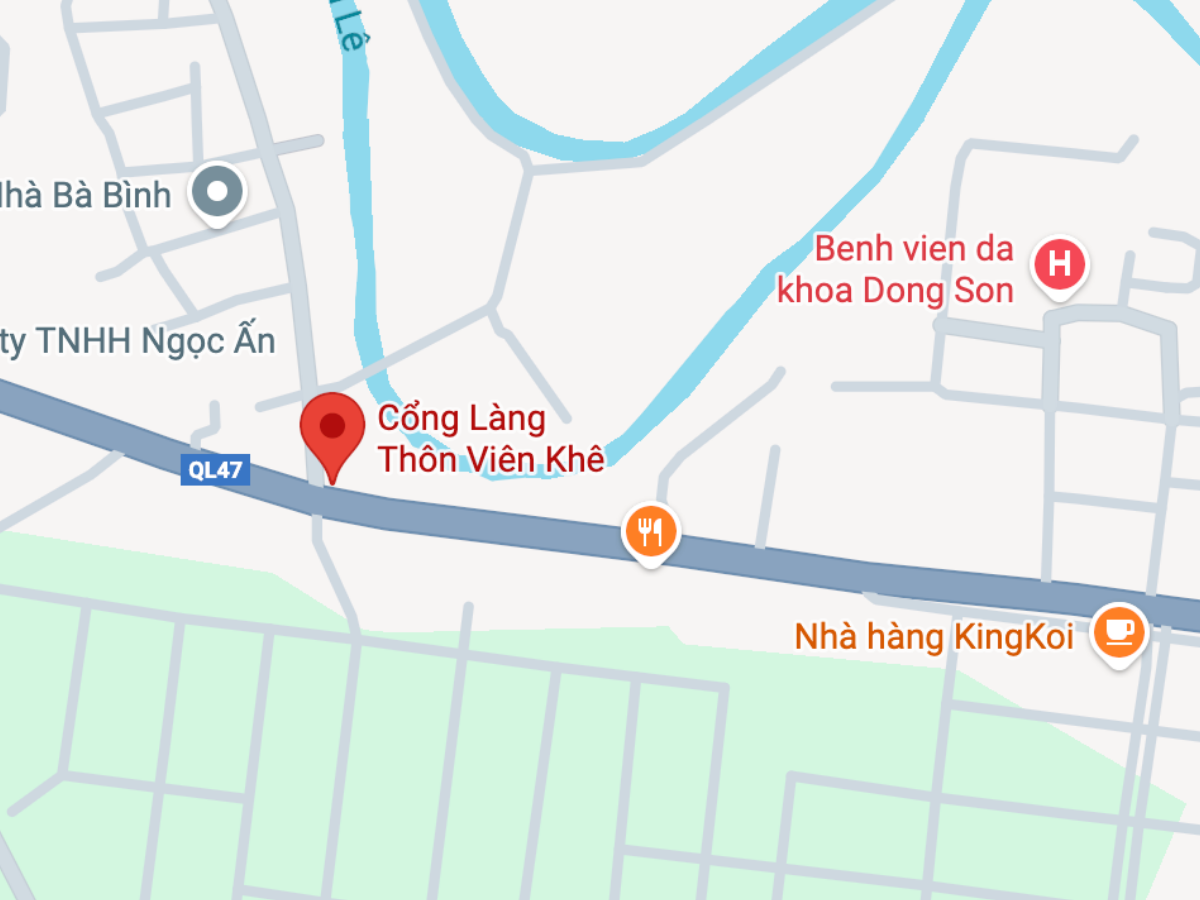
Village Vien Khe in Dong Son ward, Thanh Hoa province is the origin of Dong Anh folk songs and dances. (Source: Google Maps)
Village Vien Khe in Dong Son ward, Thanh Hoa province is the origin of Dong Anh folk songs and dances . This place is the spiritual cultural center of the region, preserving and promoting the artistic essence through many generations.
With its location on a fertile alluvial plain, embraced by the Ma River, Vien Khe possesses favorable natural conditions, creating a premise for an art form close to the rhythm of agricultural life to develop. Dong Anh folk songs and dances play a role in connecting the local community, especially during major festivals. Gradually, this art form spread throughout Dong Anh commune and surrounding areas, becoming a characteristic cultural feature of Thanh Hoa.
The origin of Dong Anh folk songs and dances is passed down through two legends, each closely associated with the local history and folk culture. According to the first legend, this art form appeared during the Northern domination period, around the 5th to 7th centuries, under the Sui dynasty, associated with the story of Ca Lang Dai Vuong.
The elders in the village recount that Ca Lang Dai Vuong was the son of leader Le Ngoc, a person renowned for his talent and understanding of art. He was the first to bring unique dances and songs to teach the villagers. The second legend suggests that Dong Anh folk songs and dances were formed later, during the Later Le dynasty period.
The person credited in this legend is Nguyen Mong Tuan, an outstanding scholar. After returning to his hometown, he collaborated with the people to create and perfect the current system of 12 performances. Although there are no specific documents to determine the exact time, both legends acknowledge Dong Anh folk songs and dances as an art form with a long history, deeply connected to Vietnamese cultural traditions.
The development journey of Dong Anh folk songs and dances is a testament to the strong vitality of Vietnamese folk art. Lacking written records, this art form is preserved mainly through oral tradition, through the dedicated practice sessions of the village elders.
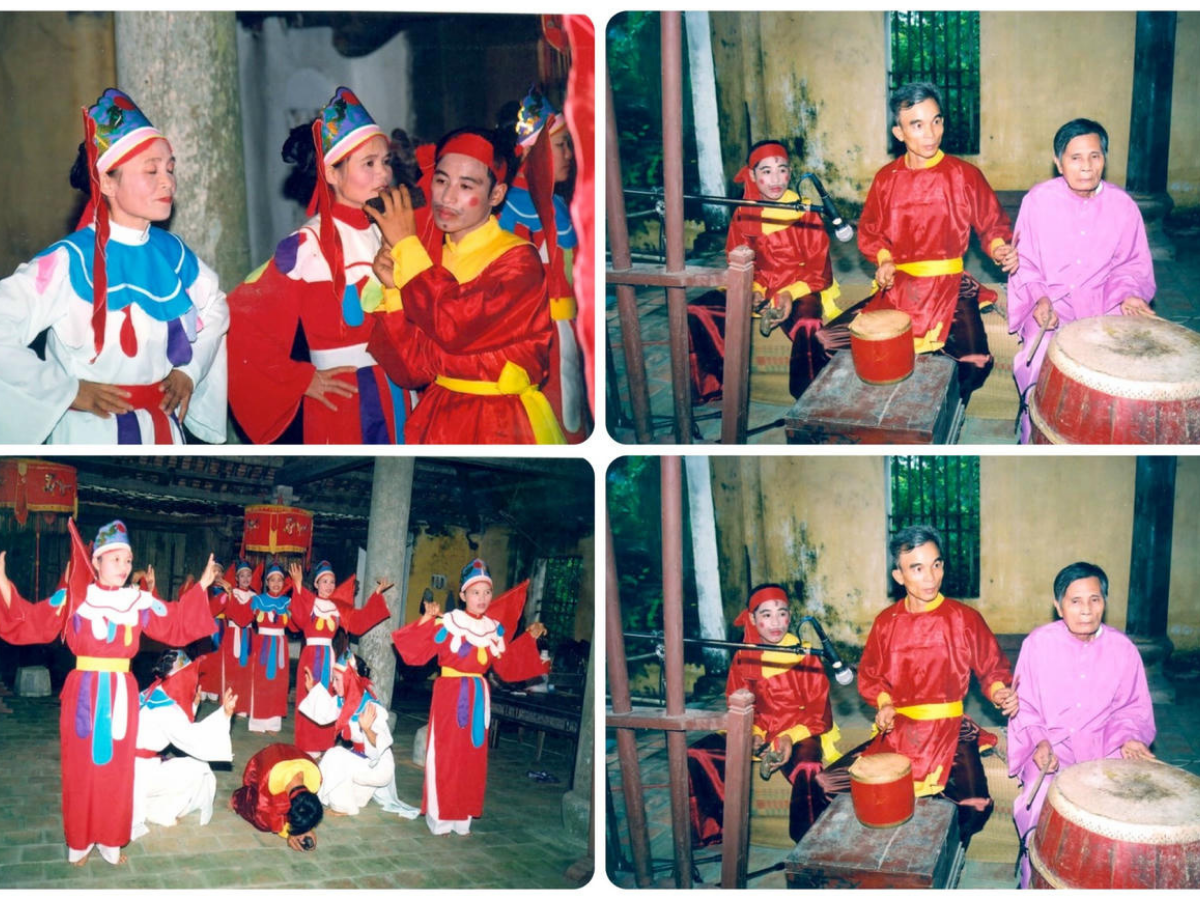
The development journey of Dong Anh folk songs and dances is a testament to the strong vitality of Vietnamese folk art. (Source: Collected)
The development of Dong Anh folk songs and dances is also enriched by influences from other performance genres of Thanh Hoa such as Ma River singing, Xuan Pha rituals. The fusion with diverse cultural elements has created a unique appearance for each performance. Especially, since 2017, after being recognized as a National Intangible Cultural Heritage, the preservation and promotion of the values of Dong Anh folk songs and dances have been focused on, invested in, and implemented systematically and professionally.
The art of Dong Anh folk songs and dances stands out thanks to the harmonious coordination between simple lyrics and familiar folk choreography. Each song in the performance system is composed from the heart, truthfully reflecting love for the homeland, longing for the harvest season, and faith towards a prosperous and happy life.
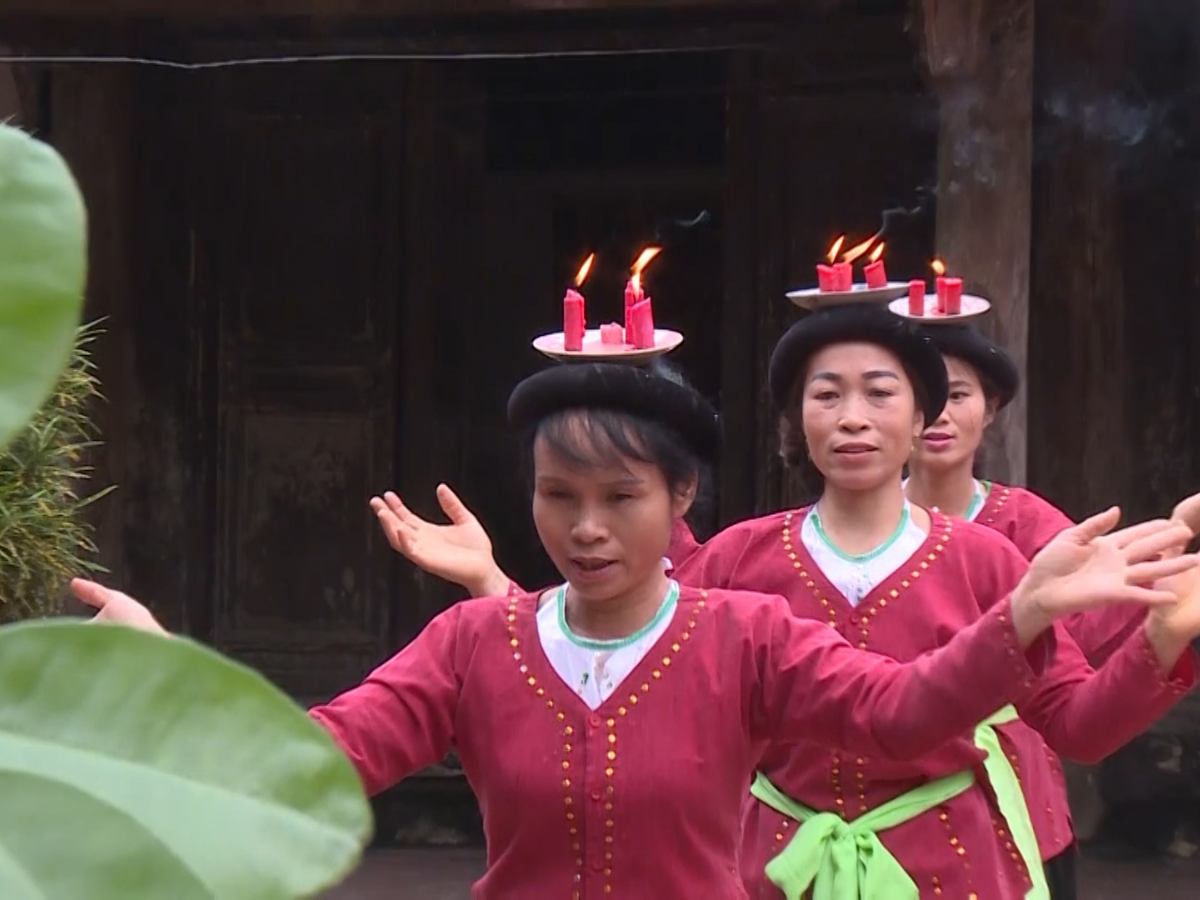
Dong Anh folk song and dance art stands out due to the harmonious coordination between simple lyrics and familiar folk dances. (Source: Collected)
The lyrics of Dong Anh folk songs and dances are imbued with the essence of rural life, inspired by everyday experiences such as “Going to the pagoda to pick a lotus branch/Eating by lamplight, farming under the moon...”. These verses are not just lyrics but also convey profound life philosophies. The dances in the performances are simple and relatable, vividly recreating labor activities such as transplanting rice, harvesting, and herding buffaloes.
This intimate connection between art and daily life has created the unique identity of Dong Anh folk songs and dances. Furthermore, elements of traditional beliefs and rituals are skillfully integrated, contributing to a complete portrayal of the spiritual life of the agricultural residents of the Thanh Hoa region.
The set of 12 performances of Dong Anh folk songs and dances is likened to a rich repository of folk art, with each performance being a unique cultural piece. Notable among these are the impressive Lantern Dance opening with its shimmering lights, the Drum and Wooden Block creating a lively rhythm for the festival, and the Ngo performance evoking heroic historical tales.
The Xiem Thanh (Chiem Thanh) performance is a testament to cultural exchange, while the Tiger Catching performance (or Van Vuong, Tiger performance) conveys strength and resilience against nature. Tien Cuoi and To Vu are steeped in legend, recounting ancient tales associated with Vietnamese childhood.
The Thiep, Thuy, Rope Climbing performances reflect human dexterity, flexibility, and the will to overcome challenges. Ha Lan and Tu Huan are lyrical, celebrating the beauty of women and romantic love. Besides the 12 main performances, there are the Dai Thanh and Female Official performances, further enriching the local artistic treasure.
The selection process for "ritual performers" - those directly participating in the Dong Anh folk songs and dances performances - is conducted according to traditional rituals, carrying sacred significance and adhering to strict standards. Not everyone can undertake this role, as requirements for morality and character are prioritized.
Selected individuals must be reputable within the community, live uprightly, honestly, and be willing to contribute. Additionally, age is considered to ensure health and suitability for specific roles. Notably, the spirit is also one of the most important criteria, as the ritual performers are not merely actors but also conveyors of the community's core spiritual and cultural values.
The teaching of the art is always accompanied by an awareness of preserving and conserving the heritage of Vien Khe village. Experienced artisans not only train movements and teach lyrics but also deeply impart cultural significance, helping the younger generation to cherish and understand the value of each performance.
The Nghe Sam festival is held once every three years in the years of the Dragon, Dog, Ox, and Goat, and is the occasion when Dong Anh folk songs and dances are showcased most brilliantly. This event is not only a cultural beauty of the locality but also a special occasion attracting the participation of many neighboring villages, creating an atmosphere of vibrant festivity.
Throughout the festival, the 12 performances of Dong Anh folk songs and dances are fully presented, from skillful dance routines to profound lyrics, creating a complete artistic space. The Nghe Sam festival has become a symbol of collective strength, evoking pride in origins and strengthening the bonds among community members.
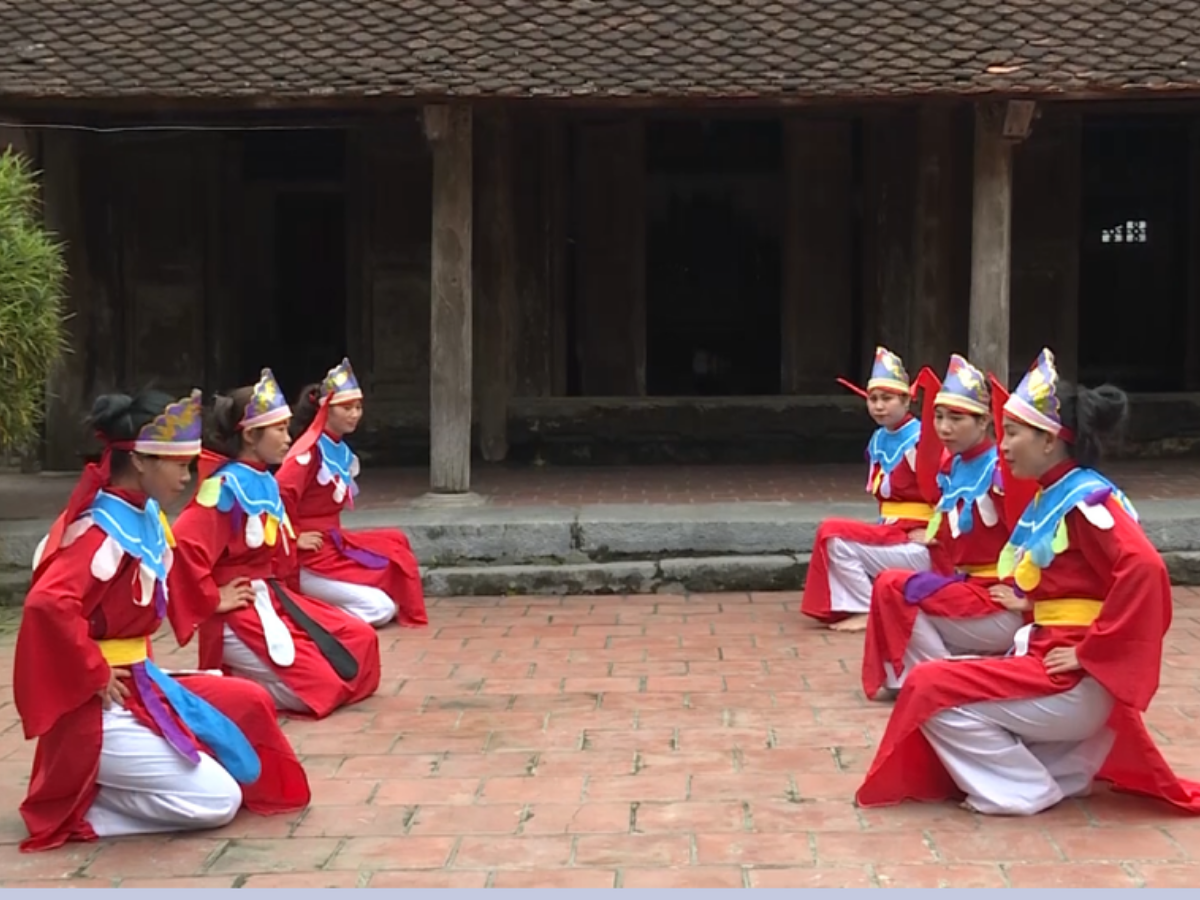
Skillful dance performances with deep lyrics of Dong Anh folk songs and dances create a complete artistic space. (Source: Collected)
This event is also an important time for artisans to impart valuable experience to the younger generation, while offering visitors the opportunity to access and learn more about the special value of Dong Anh folk songs and dances . Each festival season, the community spirit is reinforced, creating motivation for the preservation and development of this precious heritage.
The spiritual significance of Dong Anh folk songs and dances goes beyond entertainment, becoming a sacred connection between people, ancestors, and deities. Each performance contains prayers for abundant harvests, peaceful lives, and prosperity for the entire community.
What makes this art form irresistibly attractive is the natural blend of folk beliefs and daily life. When enjoying Dong Anh folk songs and dances , people not only satisfy their aesthetic needs but also relive the traditional values left by their ancestors, feeling a deep connection to their roots.
For the community of Vien Khe village, Dong Khe, Dong Anh folk songs and dances are a source of encouragement and pride that helps connect everyone to their homeland. This art form has become an indispensable part of spiritual life, contributing to maintaining unique cultural identity and strengthening community consciousness from generation to generation.
2017 is an important milestone marking the official recognition of Ngu Tro Vien Khe, or Dong Anh folk songs and dances , as a National Intangible Cultural Heritage by the Ministry of Culture, Sports and Tourism. This recognition not only establishes its unique artistic value but also affirms the position of this form of performance within the national culture.
Becoming a National Heritage has created great motivation for the community in preserving and promoting this art form. This is also a worthy recognition of the perseverance and dedication of generations of artisans and people of Dong Khe who have preserved and passed down this precious heritage through many historical ups and downs.

Becoming a National Heritage has created great motivation for the community in the preservation of Dong Anh folk songs and dances. (Source: Collected)
The national heritage title opens up opportunities for Dong Anh folk songs and dances to be widely promoted, not only domestically but also towards international friends. This contributes to enhancing the position of Thanh Hoa's art, while creating a solid foundation for future generations to inherit and develop the heritage.
In the diverse cultural heritage landscape of Thanh Hoa, Dong Anh folk songs and dances has built its own position, standing alongside famous performance types such as Ho Song Ma and Tro Xuan Pha. Each type has its own characteristics, contributing to expressing the cultural depth of Thanh Hoa.
The point that creates the mark of Dong Anh folk songs and dances is the close connection between the 12 performances, forming a unified and highly cohesive artistic system. If Ho Song Ma is associated with the river and fishing, Tro Xuan Pha carries the strong colors of spring festivals, then Dong Anh folk songs and dances encompass the spiritual and material life of the agricultural community.
This diversity has contributed to enriching Thanh Hoa's intangible heritage treasure, affirming the locality's position on the map of Vietnamese folk culture. Dong Anh folk songs and dances not only supplements but also highlights the unique identity of the ancestral land.
The Outstanding Artisans in Vien Khe village are always considered 'guardians of the heritage's soul', playing a key role in preserving and passing it on to the next generation. They are both skilled performers and dedicated teachers, dedicating their lives to preserving traditional art.
These artisans have created many effective teaching methods, harmonizing traditional styles with modern approaches to attract young people. They always innovate, finding performance methods suitable for the trends of the era while preserving the original values of Dong Anh folk songs and dances.
Many artisans have had the opportunity to bring Dong Anh folk songs and dances to major cities like Hanoi and Ho Chi Minh City, contributing to promoting the image of their homeland's heritage on large stages. These performances have created opportunities for exchange and learning with other art forms, enriching the content as well as the performance value.
Recently, a series of preservation programs and projects for Dong Anh folk songs and dances have been implemented with increasingly expanding scale and improving quality. From professional art performances to promotion through mass media, all activities aim to preserve and promote the heritage's value.
The model of artisan communities combined with teaching the younger generation has been systematically implemented, forming a sustainable preservation network. Classes for Dong Anh folk songs and dances are organized regularly, not limited to the scope of Vien Khe village but also expanding to neighboring areas, creating opportunities for many children to access and learn.
Archiving through recording and documentary filming is also emphasized to ensure the heritage of Dong Anh folk songs and dances is preserved intact for future generations. These materials are valuable assets for research, teaching, and other artistic activities.
A trip to explore Dong Anh folk songs and dances will be enriched when you combine it with visits to other prominent attractions in Thanh Hoa. After enjoying the special performances at Vien Khe village, visitors can stroll around Sam Son beach square to enjoy the cool breeze and savor the fresh seafood of Thanh Hoa's coast.

Visitors can stroll at Sam Son beach square to enjoy the cool breeze of Thanh Hoa's sea. (Source: Collected)
Historical sites such as Ho Citadel, Bach Ma Temple, and Tien Lu Pagoda are ideal stops to learn about the historical context associated with the origin of Dong Anh folk songs and dances. In particular, tasting Thanh Hoa specialties such as fermented pork rolls, Banh Cay cake, and Ma River fish cake will make your trip complete in terms of both cuisine and traditional cultural experiences.
These experiences not only bring the joy of discovery but also create opportunities for you to interact and chat with local people, gaining a deeper understanding of the traditions and history of this land. This is also a way for you to contribute to the preservation and promotion of Thanh Hoa's cultural heritage through tourism activities.
Dong Anh folk songs and dances are typical representatives of Thanh Hoa's cultural essence, crystallized from the labor, beliefs, and rich spiritual life of the local people. The smooth melodies, graceful movements, and lively drumbeats not only carry the breath of the homeland but also express the soul, emotions, and national pride. Come and experience this precious heritage, to deeply feel the beauty of Thanh Hoa's folk culture, and at the same time join hands to preserve, spread, and protect these invaluable cultural values.
Let's start your vacation!

Special offer up to 30% when booking tickets on the Sun Paradise Land app

