


Travel News

Pôồn Pôông Festival: Spiritual cultural heritage of the Muong people
The Pon Pong festival , also known as the 'flower playing, bloom playing' festival, is one of the unique folk cultural features of the Muong ethnic group in Thanh Hoa. In the Muong language, 'pon pong' means 'playing flowers', expressing the aspiration for beauty, freshness, and vitality. This is not just a simple festival but also a ritualistic folk performance, connecting people with the divine and the community.
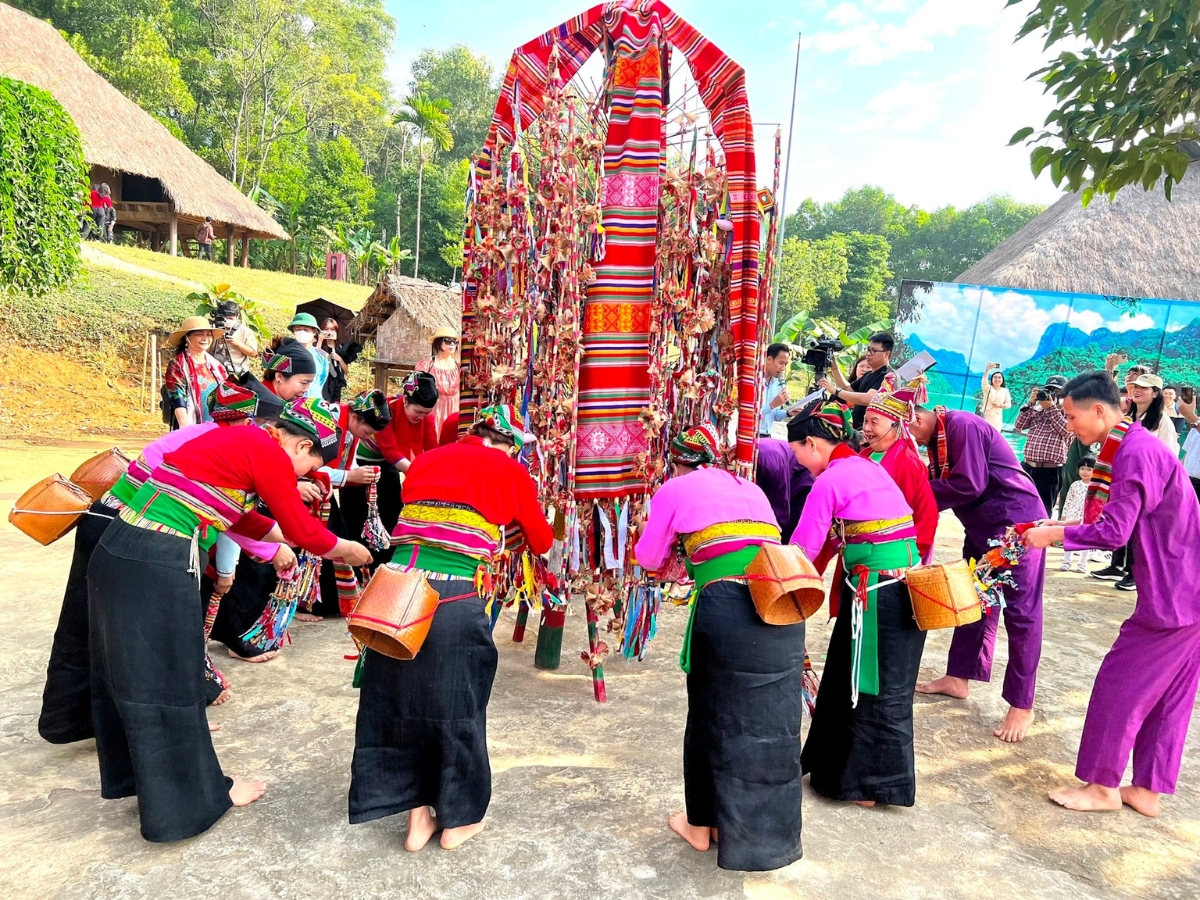
The Pôồn Pôông is a unique folk festival of the Mường ethnic group in Thanh Hoa. (Source: Collected)
The Pôồn Pôông festival is seen as a miniature painting reflecting the philosophy of life of the Mường people: humans live in harmony with nature, respect ancestors, and believe in the harmony between heaven, earth, and humans. Associated with the festival is the image of the pôông tree, a symbol of fertility, prosperity, and community cohesion. There are two types of pôông trees: small pôông trees are erected in family rituals, while large pôông trees are used in festivals for the entire village (bản mường), demonstrating the spirit of solidarity and a strong belief in the vitality of the Mường people amidst the mountains and forests of Thanh Hoa land.
The Pôồn Pôông festival originated from the legend and epic “Giving Birth to Land, Giving Birth to Water” of the Mường people, reflecting the concept of the origin of the universe and the relationship between humans and nature. From the dawn of creation, when humans learned to labor, cultivate, and produce wealth, they thought of giving thanks to the deities who bestowed life.
The image of the pôông tree originates from the belief that it is where deities and ancestors reside, bringing blessings to the village (bản mường). The pôông tree is made from bamboo or rattan, decorated with colored paper and images of flowers, leaves, birds, and animals, representing fertility and prosperity. From the ritual of worshipping the pôông tree in families and villages, the Pôồn Pôông festival gradually formed, becoming a unique cultural and spiritual activity, conveying the aspiration for a harmonious and happy life, and the deep gratitude of the Mường people towards heaven, earth, and ancestors.
Traditionally, the Pôồn Pôông festival is usually held on the full moon of the first, third, and seventh lunar months annually. These are three time points associated with the agricultural production cycle and the spiritual life of the Mường people. The full moon of the first lunar month marks the beginning of the new year, a time to pray for good luck and abundant harvests. The full moon of the third lunar month coincides with the rice seedling season, expressing the wish for flourishing crops and favorable weather. The full moon of the seventh lunar month is the harvest season, when people thank the deities and ancestors for their blessings for a bountiful harvest.
The Pôồn Pôông festival is widely held in the mountainous districts of Thanh Hoa, where a large population of the Mường ethnic group resides. Each locality has its own way of organizing, but all retain the distinctive features of folk rituals and the spirit of community cohesion. Among them, Minh Son commune is considered the center for the most large-scale and standard festival organization, where traditional rituals are fully and vividly recreated.
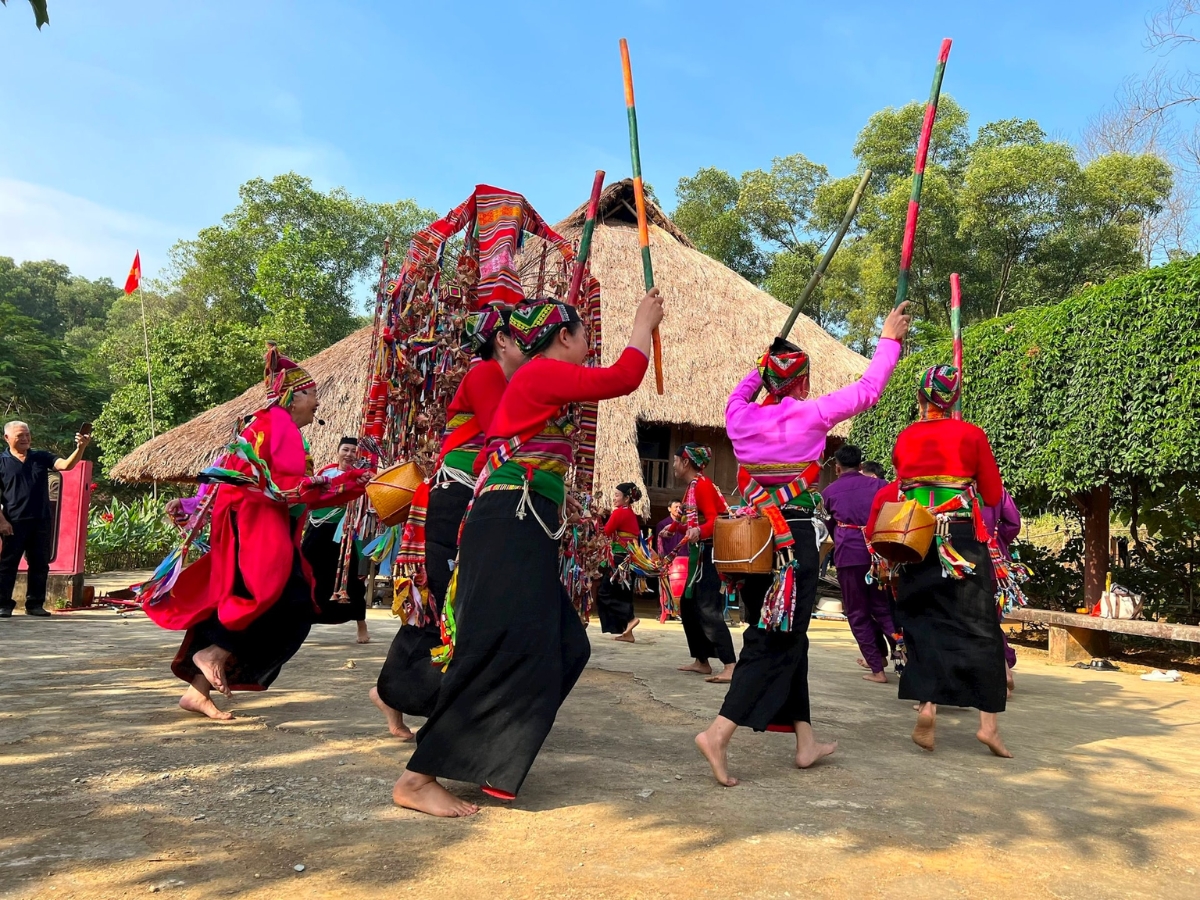
The Pon Pong Festival is widely held in the mountainous districts of Thanh Hoa. (Source: Collected)
The festival space is usually organized in the communal house yard, a large open area of the village, or areas near streams and forests. There, the pon tree is erected in the center, surrounded by areas for singing and dancing performances, offering rituals, praying for blessings, and community exchange. It is this open space, in harmony with nature, that creates the unique characteristic of the Pon Pong Festival, which is both sacred and intimate, clearly expressing the deep connection between humans and nature.
In the Pon Pong Festival, the ritual part is always considered the core, clearly reflecting the beliefs and spiritual life of the Muong people. The festival begins with a ritual of reporting to the deities, presided over by Au May, a respected person in the village, knowledgeable about customs and considered a bridge between humans and the spiritual world. Before the pon tree erected in the center, people arrange offering trays with characteristic products of the mountains and forests such as five-colored sticky rice, boiled rooster, fragrant fermented rice wine, grilled stream fish, thorn cake, and fresh fruits and flowers. All are meticulously prepared, showing reverence and gratitude towards heaven and earth, ancestors, and the deities who have protected the village.
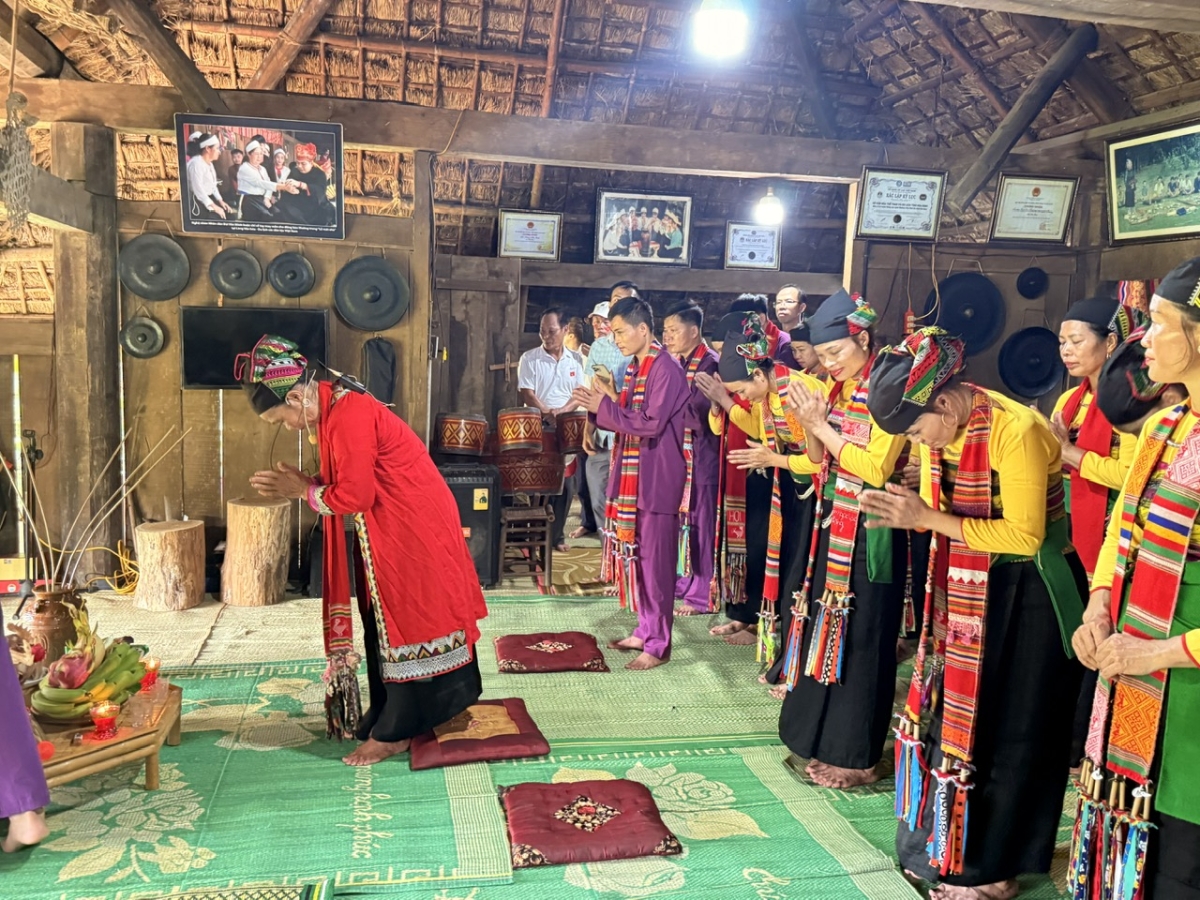
The ritual part was solemnly performed, presided over by Au May. (Source: Collected)
Amidst the spreading incense smoke, Au May recited prayers with a deep, solemn tone, wishing for favorable weather, prosperous crops, and a peaceful life for everyone. Each prayer was a wish, each stick of incense a sincere offering to the deities. The ritual not only signified blessings but also served as an occasion to strengthen community bonds, reminding descendants to always remember their roots and maintain a life in harmony with nature.
After the solemn ceremony, the Poon Poong festival entered the lively and bustling atmosphere of the festival part. The entire village immersed themselves in dances, songs, and performances rich with the colors of life. Dozens of performances were presented consecutively, notably those simulating daily labor and activities such as land division, water distribution, field clearing, plowing, rice planting, hunting, fishing, cooking rice, or the 'dam' rice tray.
Each performance in the Poon Poong festival was not just entertainment but an artistic narrative of the labor process, village establishment, and the Mường people's aspiration for prosperity. Through each gesture, dance, and song, viewers could feel the connection between humans and nature, between the past and the present. The festival part, therefore, was not just a time for fun but also a place to awaken pride, solidarity, and the consciousness of preserving the traditional cultural values that define the identity of the Mường people of Thanh Hoa.
To have a complete experience at the Poon Poong festival, visitors should prepare thoroughly from attire, belongings to attitude and itinerary. Understanding the following small notes will help visitors easily immerse themselves in the unique cultural atmosphere of the Mường people and fully enjoy the festival space in the Thanh Hoa mountainous region.
Prepare necessary attire and belongings: Visitors should choose light, polite attire suitable for the festival atmosphere. Don't forget to prepare a hat, a small umbrella, a personal water bottle, a camera or phone fully charged to capture memorable moments amidst the mountains and the vibrant colors of the festival.
Notes on attitude and behavior when participating in the festival: When attending the Poon Poong festival, maintain a respectful attitude, do not laugh or make noise during the ritual. Limit casual photography, especially in sacred areas or without permission from the locals.
Combine with visits to famous tourist attractions in Thanh Hoa: After attending the festival, visitors can combine visits to other famous tourist destinations in Thanh Hoa such as Sam Son beach, Sam Son beach square, Lam Kinh historical site, Elephant Waterfall, or Ba Trieu Temple. Each place has its own unique beauty, from magnificent natural landscapes to historical and cultural depth.
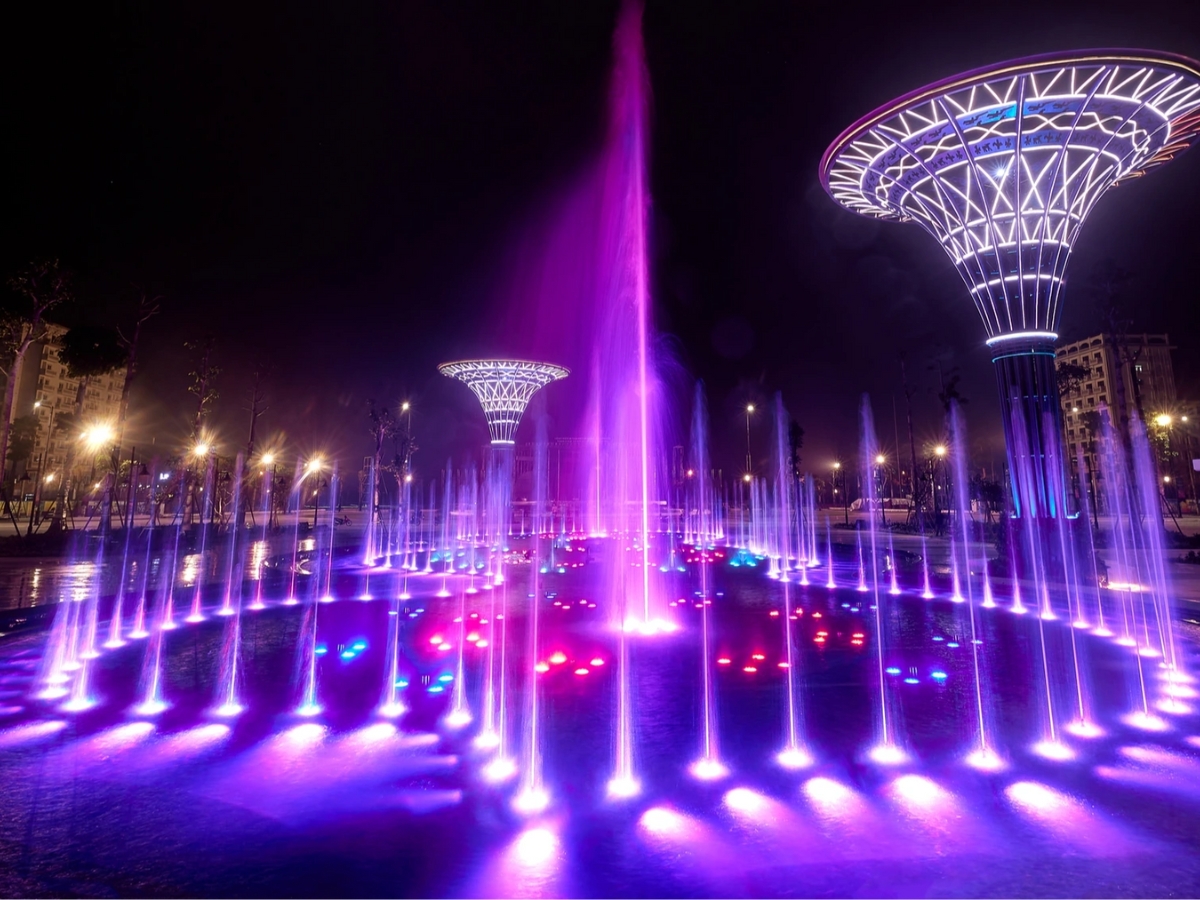
Sparkling, vibrant scenery at Sam Son beach square. (Source: Thanh Nien Newspaper)
Pôồn Pôông Festival is not only the pride of the Muong people of Thanh Hoa but also a living cultural heritage, preserving profound spiritual values about the love of labor, gratitude, and the aspiration for happiness. Amidst the lively sounds of gongs and drums, folk dances, songs, and performances seem to take people back to their roots, to a life in harmony with nature. If you want to fully experience the cultural beauty of the mountainous region, come to the Pôồn Pôông festival, where every song, every smile tells a story of the enduring vitality and rich cultural identity of the Muong people of Thanh region.
Let's start your vacation!

Special offer up to 30% when booking tickets on the Sun Paradise Land app
Related topics

