


Vouchers

Phu Na: Explore Historical Sites, Spiritual Tourism
Located at the foot of Nui Nua mountain in Xuan Du commune, Thanh Hoa province, Phu Na is also known by its formal name Na Son Dong Phu. This location creates a harmonious landscape between mountains and streams, bringing a sacred and tranquil space amidst nature.
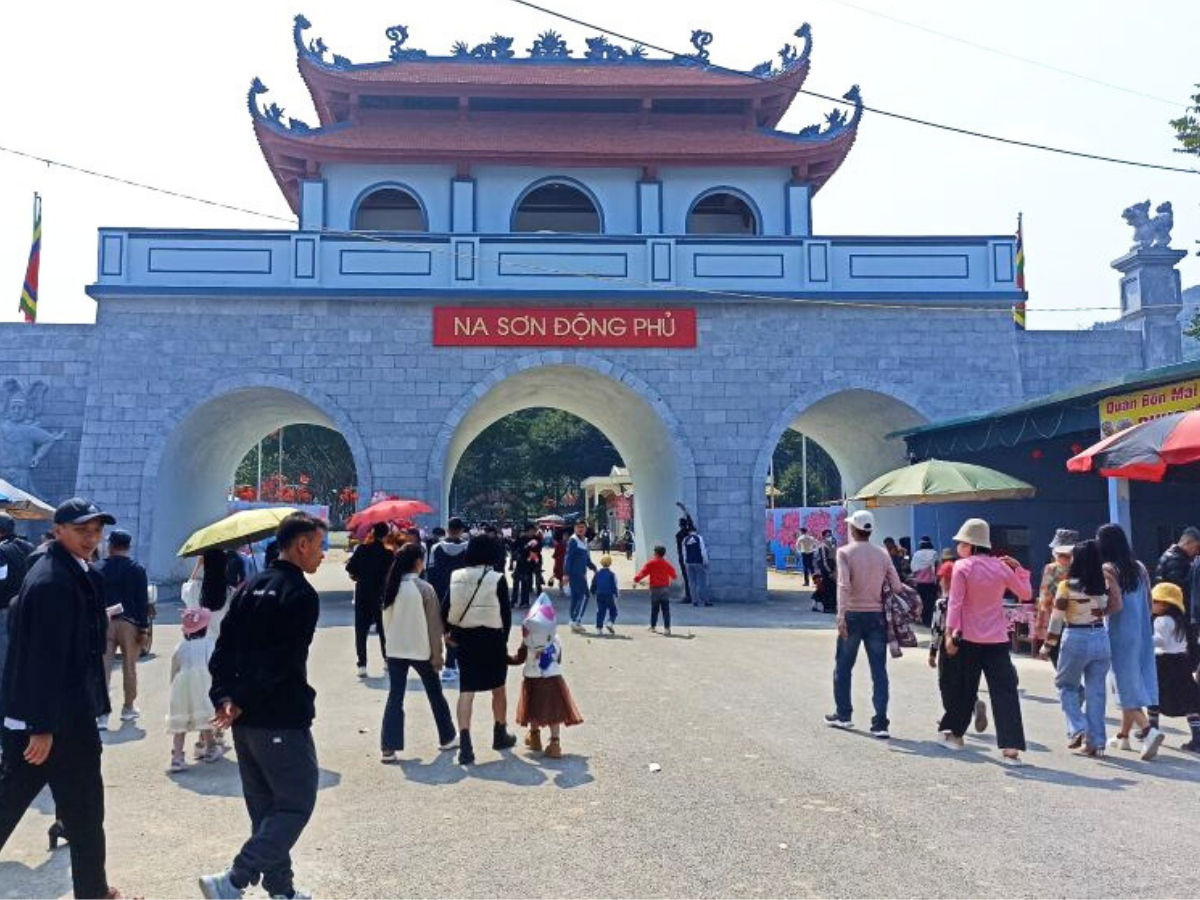
Phu Na is also known by its formal name, Na Son Dong Phu. (Source: Collection)
From the center of Thanh Hoa, just move about 30 km to the south and you can set foot in Phu Na. The roads leading to the relic site have been invested in and upgraded meticulously, suitable for many types of vehicles such as coaches, cars, or motorbikes. The internal roads have been built with concrete, helping visitors easily access this sacred cultural space.
The legend of the heroine Trieu Thi Trinh is still passed down at Phu Na through generations. This land marked the period of her uprising along with her army against the Dong Ngo army in the 3rd century, leaving deep imprints in the consciousness of the people of Thanh Hoa. Besides Lady Trieu, this place is also where the spiritual energy of Princess Lieu Hanh, Mau Thuong Ngan, and many other sacred figures converges.
The architecture of Phu Na was built in 1909, bearing the strong imprint of the Nguyen Dynasty and has undergone many renovations to preserve its precious heritage value. In 1993, it was ranked as a national historical and cultural relic and scenic spot by the Ministry of Culture, Sports and Tourism. Currently, the system of temples and shrines still retains its ancient architectural features, reflecting reverence in every intricate carving detail.
Phu Na is considered the most sacred place for Mother Goddess worship in Thanh Hoa. The blend of historical, cultural, and spiritual values with peaceful natural scenery creates a unique attraction for this destination. When visiting Phu Na, you not only participate in spiritual rituals but also feel a sense of peace in your soul.
Currently, the demand for tourism for relaxation and soul healing is increasingly popular, and Phu Na has become an excellent choice for those who want to regain a sense of relaxation and comfort. The construction area harmonizes with nature, combined with a vibrant festival atmosphere, creating a diverse experience for many types of visitors. The Huyen Tich Am Tien project, expected to launch in the future, also promises to bring more unique cultural and spiritual values to the Thanh Hoa tourism journey.
When departing from Hanoi, you can choose sleeper buses with prices ranging from 200,000 to 250,000 VND per trip, with travel time usually lasting from 3 to 4 hours depending on traffic conditions. If you want to experience more convenient services, inter-provincial coaches with lower prices will also be a suitable and convenient option for trips with family or friends.
If traveling from Ho Chi Minh City, airplanes are a choice that significantly saves time. After landing at Tho Xuan Airport, you can take a taxi or book a private car to Phu Na. If you enjoy sightseeing along the way, trains are also a very reasonable option.
To make the journey smoother, especially during festival seasons, visitors should proactively book tickets at least 3-5 days in advance to receive the best offers and complete services.
For visitors staying in Thanh Hoa, traveling to Phu Na is very simple and convenient. From the city center, choosing the public bus route Thanh Hoa - Nhu Thanh is a cost-effective option. Buses operate continuously from morning to evening, with departures every 20-30 minutes on weekdays.
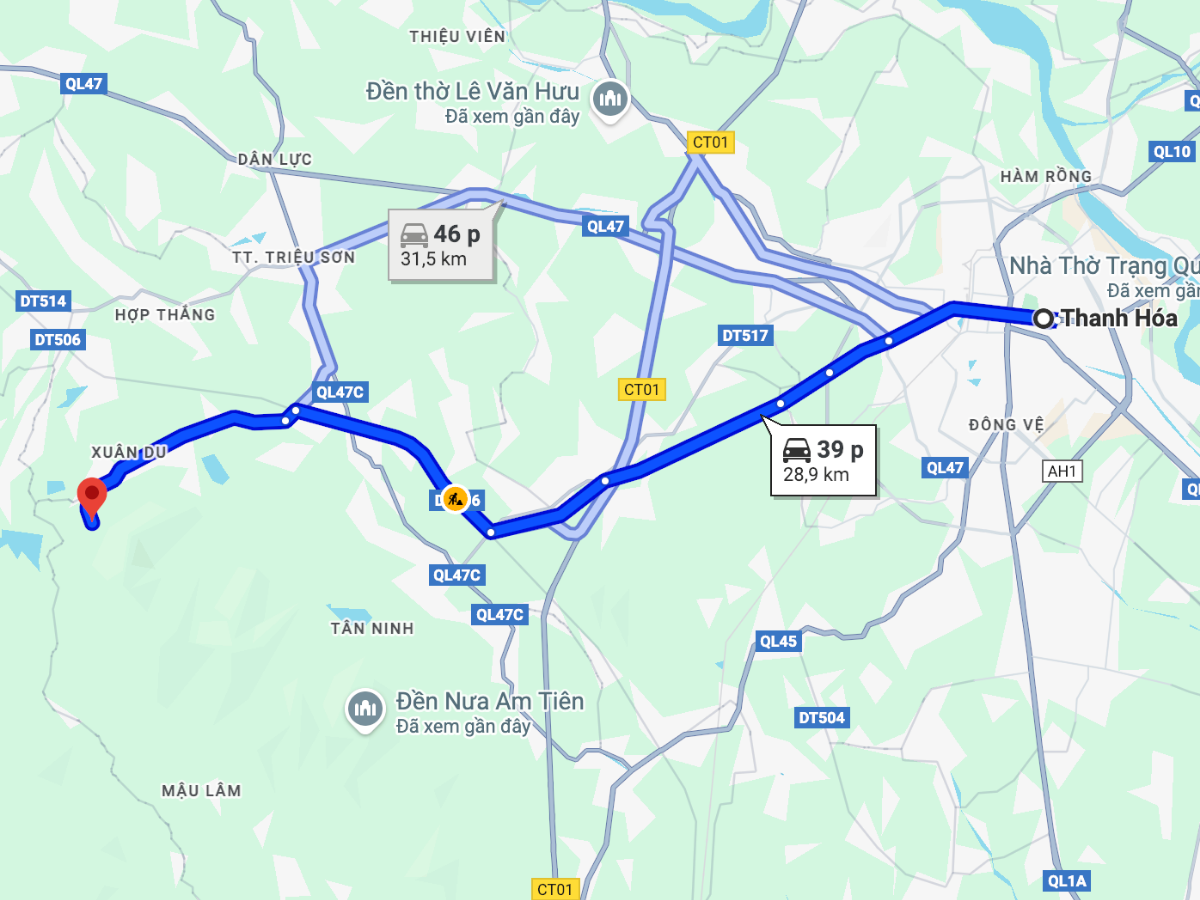
Instructions for traveling from Thanh Hoa province to Phu Na. (Source: Collected)
If you want to travel faster, you can choose a taxi or ride-hailing services like Grab, Be. Many drivers here are very knowledgeable about Phu Na and will tell you many interesting things along the way. Renting a motorbike is also very popular, allowing you to explore surrounding destinations more proactively.
The area around Phu Na has a large parking lot, serving the needs of both cars and motorbikes. For convenience during crowded festivals, you should arrive early in the morning to ensure easy parking and movement.
Upon arriving at Phu Na , the ancient Tam Quan gate with its meticulously carved details makes a strong impression on visitors. The elements are arranged in a traditional style with a front hall and a rear sanctuary, including the upper, middle, and lower palaces, along with many other altars and shrines. The relic complex spans over 70 hectares, surrounded by lush green forests, creating a year-round relaxing atmosphere.
The main temple, dedicated to Saint Mother Lieu Hanh, is built in the 'Dinh' (丁) shape, with yin-yang tiled roofs, clearly reflecting the Nguyen Dynasty's architecture. The ironwood pillars are carved with vivid dragon, phoenix, and four auspicious symbols motifs, showcasing the craftsmanship of ancient artisans. Gilded horizontal boards and couplets on a red background adorn the space, making it more solemn and majestic.
A new addition to the complex is the recently restored Co Chin temple, which harmoniously blends modern and traditional styles. There is also an artificial waterfall and a path lined with lanterns that sparkle at night, creating unique photo opportunities. During festivals, the entire area is brightly decorated with colorful flags, banners, and lights.
Adjacent to the Co Chin temple area, the clear water flowing from the Nuoc Nui mountain crevice has become an image closely associated with Phu Na . The water here is always cool year-round and never runs dry, even during the driest season. According to local beliefs, it is "holy water" bestowed by the saints, bringing peace and healing to those who use it.
Legend has it that this water originates from the time of Bà Triệu, with sacred stories passed down through generations. Those fortunate enough to drink the water from Phu Na believe they will be blessed in their endeavors, enjoy good health, and encounter good fortune. Every New Year, a large number of locals and tourists come to collect the water to take home, as a way of wishing for a prosperous new year.
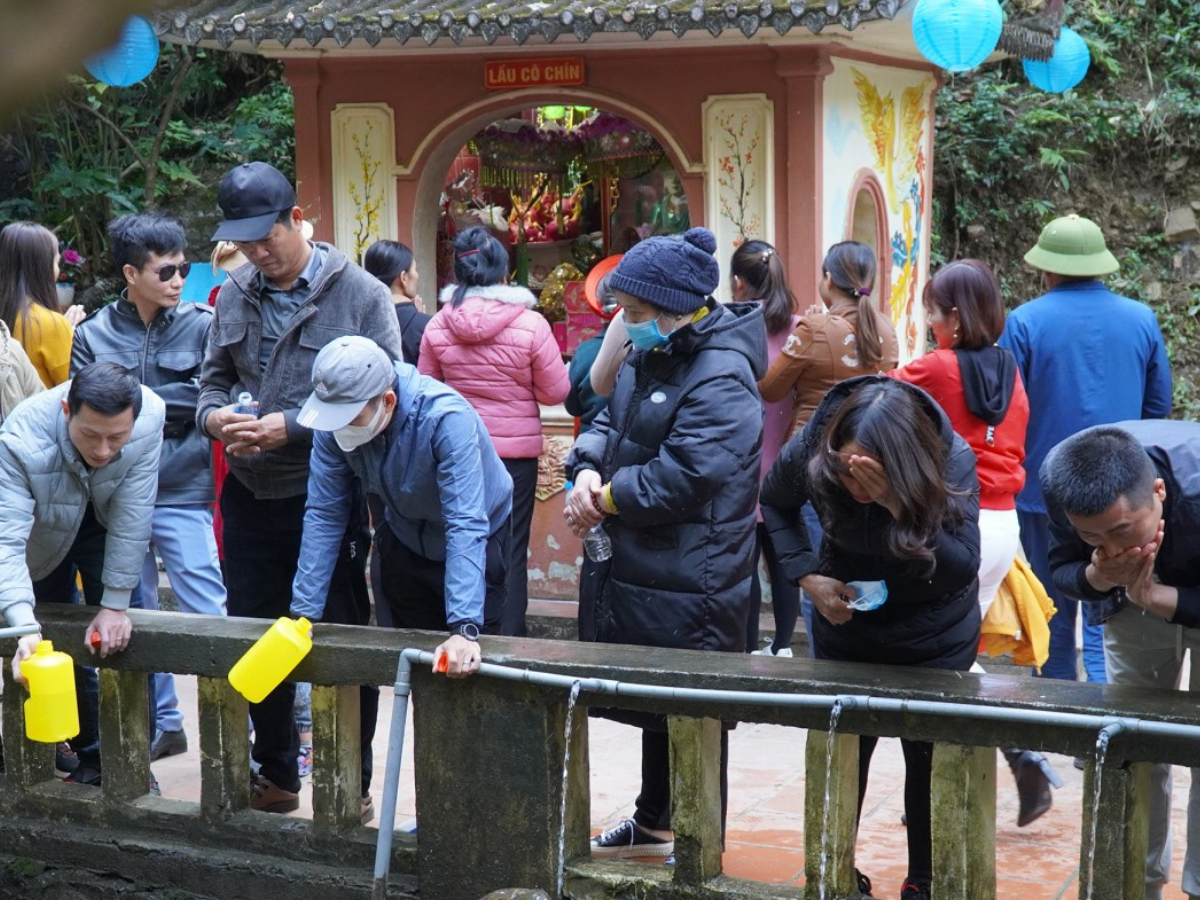
Many tourists bring glass bottles or canisters to collect the "holy water" of Phu Na. (Source: Collected)
The ritual of asking for water has been carefully preserved by ancestors with its own regulations. Tourists often light incense and pray before taking water home. Many families also bring glass bottles or canisters to collect the "holy water" Phu Na, keeping it respectfully as a sacred object in their homes. Merchants often bring the water back to sprinkle around their shops, wishing for smoother business.
The journey to Phu Na will be even more meaningful if you combine it with visits to nearby spiritual sites. Chua Nua Temple is only about 20 km away, serving as a place to worship the gods who protect the mountains and forests, opening up a multi-layered spiritual experience. Am Tien historical site is located on a high mountainside, which was once a place for ancient ascetics to practice, and has now become an ideal stop to admire the panoramic view of Xuan Du.
The worship of Mother Goddesses at Phu Na is associated with traditional craft villages such as the mat weaving village and the bánh đa (rice paper) village. You can visit and learn about the production process directly, while also purchasing souvenirs that embody the rural spirit. Many artisans are also willing to guide you in making bánh đa or weaving mats using traditional methods.
In addition, the Huyen Tich Am Tien project is preparing to launch, promising to bring many new experiences to visitors. This place is expected to be a venue for cultural and spiritual events with modern light and sound technology, helping visitors feel the history and cultural roots of Thanh Hoa more vividly.
In August of the lunar calendar every year, Phu Na is vibrant with the festive atmosphere, both solemn and lively. From the 1st to the 16th of August of the lunar calendar, the main festival takes place, with preparations starting enthusiastically from the beginning of the month. Additionally, festivals in January and February of the lunar calendar also attract a large number of people and tourists.
The palanquin procession from the village communal house to Phu Na has become a special highlight of the festival season. The procession consists of hundreds of people in traditional costumes carrying flags, banners, lanterns, with the sounds of trumpets and gongs echoing throughout the valley. The ceremony of offering incense and offerings to the Holy Mother is conducted solemnly with offerings including bánh chưng, bánh dày, and five-colored fruits, all prepared with great care.
Folk art performances such as múa bóng rỗi (spirit dance), hát xoan (traditional folk singing), and chầu văn (spiritual singing) performed by veteran artists create an atmosphere that is both traditional and intimate. Many community games such as ném còn (ball tossing), wrestling, and tug-of-war contribute to increasing joy and bonding among people. Some modern art performances are also skillfully integrated, attracting young people to learn about traditional culture.
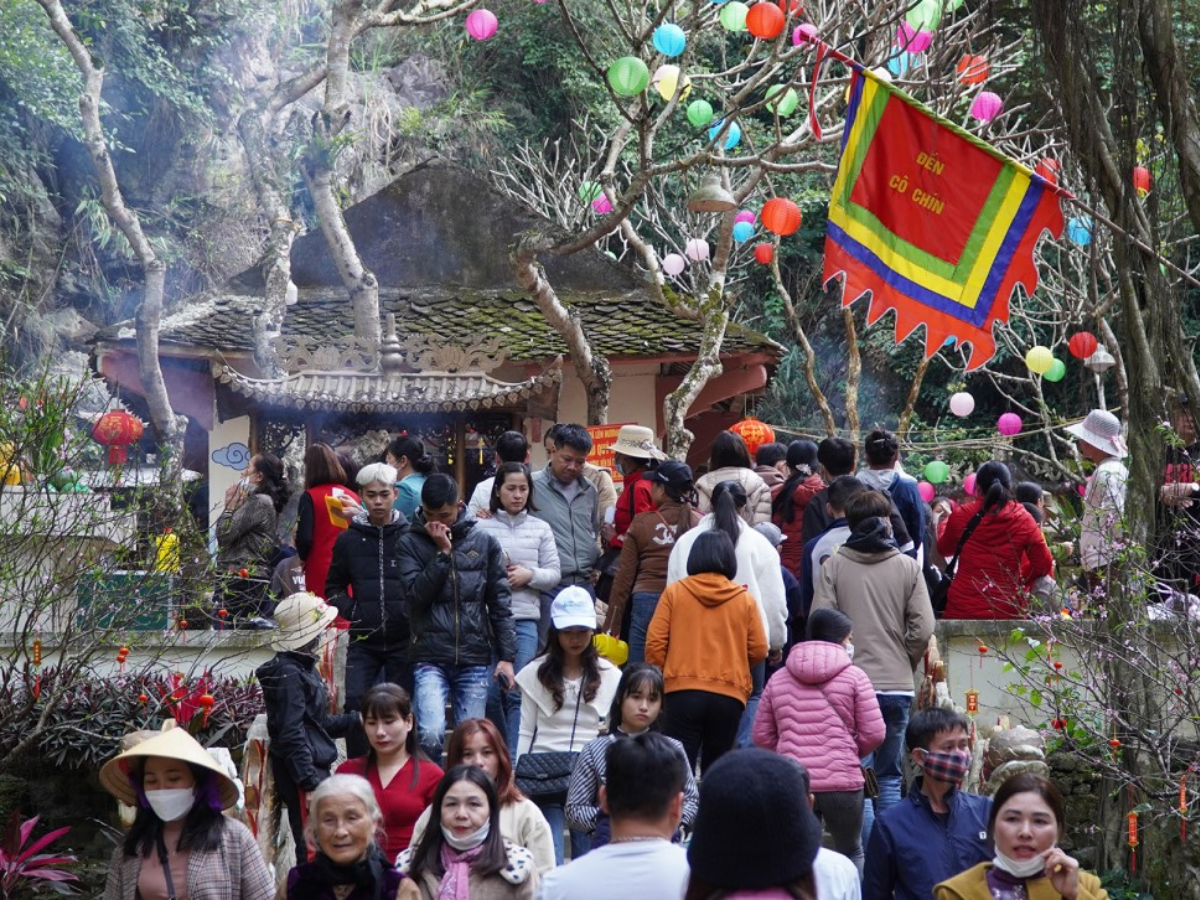
Each festival season, Phu Na welcomes tens of thousands of visitors from all directions to pray for peace and ask for fortune. (Source: Collected)
Each festival season, Phu Na welcomes tens of thousands of visitors from all directions to pray for peace and ask for fortune. This number reflects the deep spiritual attraction of Phu Na to the people of Thanh Hoa and surrounding areas. At the beginning of the year, the water-asking area is always crowded, but everyone patiently waits with a respectful attitude.
The great attraction of Phu Na comes from the blend of heroic history, fresh natural space, and meaningful community activities. Many visitors say that just by setting foot in Phu Na, they feel positive energy and peace in their souls.
For the local people, Phu Na has long been a spiritual refuge, a place to share joys and regain balance when facing difficulties. Elderly people in the region often say "going to Phu Na is like going home," expressing the close bond between people and the sacred land. It is this simplicity and sincerity that creates a special atmosphere, making everyone feel welcomed as a member of a large family.
The cuisine at Phu Na is a harmonious combination of highland traditions and Thanh Hoa's unique characteristics, with many rustic dishes rich in identity. Grilled sticky rice in bamboo tubes is a signature dish, where each sticky grain blends with the aroma of bamboo to create an unforgettable flavor. Muong people's grilled bánh đa (rice paper) also carries a strong cultural imprint with its crispy texture, often enjoyed with tương bần (fermented bean sauce) or sesame salt.
During festivals, vegetarian dishes such as vegetarian stuffed tofu, lotus stem salad, and sour bamboo shoot soup are cooked with fresh ingredients from the mountains, offering a distinct flavor. Boiled cassava, grilled taro, and yellow sweet potato are light, nutritious, and reasonably priced snacks. Dishes like pickled dong rieng (a type of ginger) and stir-fried bitter leaves with eggs also contribute to enriching the highland meal.
Five-colored sticky rice, with natural colors from cẩm leaves, turmeric, and gac fruit, is often present at important ceremonies. Highland fresh sweet soup with its rich, cool taste is an ideal refreshing drink after sightseeing. Various types of wild bamboo shoots are also processed into many attractive dishes such as stir-fried bamboo shoots, sour bamboo shoot soup, and pickled bamboo shoots.
The market near Phu Na is where visitors can easily find souvenirs that embody the rural spirit. Shan Tuyet tea saplings and packaged wild bitter leaves can be bought as gifts or for planting at home. Handmade offerings such as ceremonial umbrellas, incense burners, and natural beeswax candles carry deep spiritual significance.
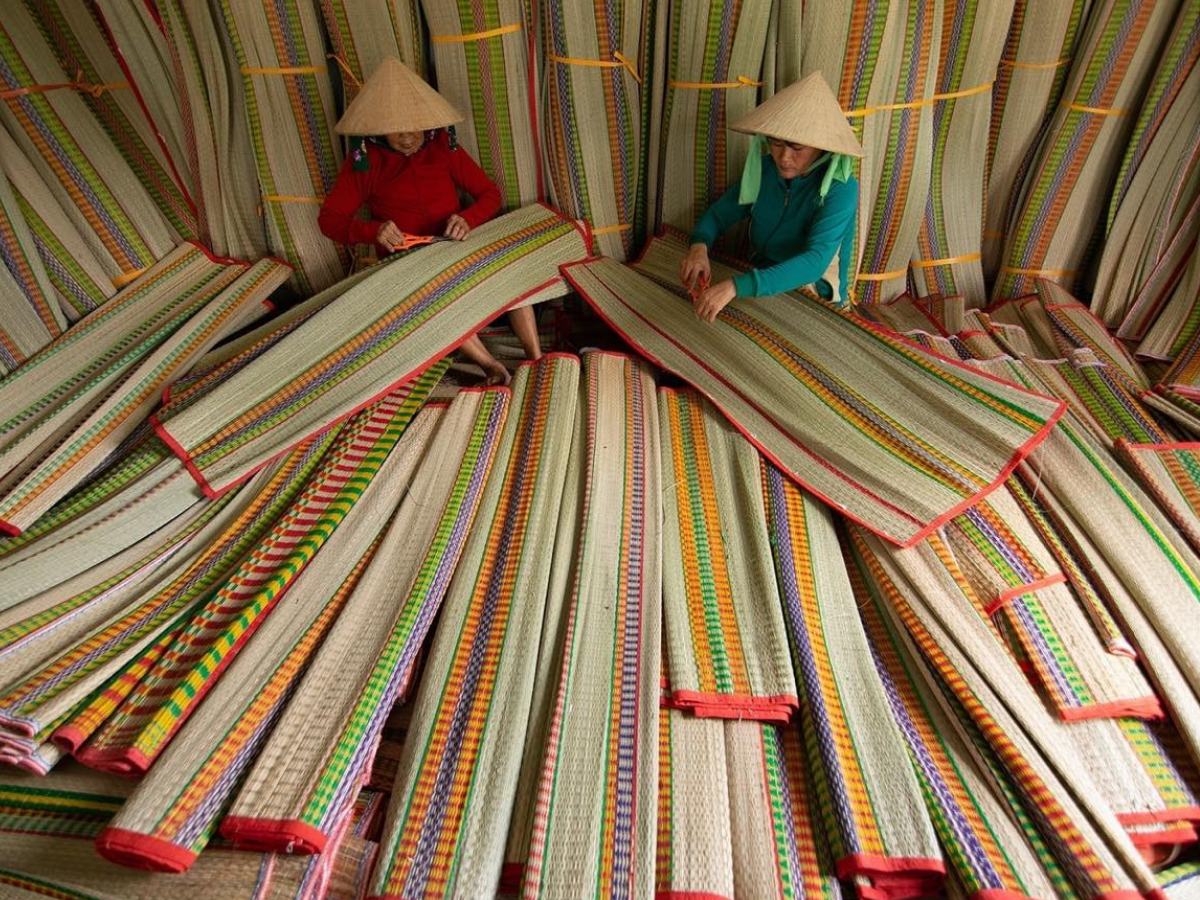
Local handmade rush mats are notable for their beautiful patterns and high durability. (Source: Collected)
Holy water from Phu Na is bottled in small sizes, carefully sealed, making it very suitable as gifts for relatives and friends. Additionally, local specialties such as grilled rice crackers, crispy rice, and wild honey are conveniently packaged, have a long shelf life, and are very popular. Local handmade rush mats are notable for their beautiful patterns and high durability.
Ethnic textile products such as checkered scarves, handbags, and handmade leather wallets are also available at the stalls with clearly listed prices. Many artisans are present to sell their products directly, ready to introduce the production process and cultural significance. You should buy at official stalls in the area to ensure quality and reasonable prices.
Visitors should start their tour of Phu Na at 7 AM when the air is still fresh, dedicating time to participate in the incense offering ceremony at the main temple dedicated to Saint Mother. This time is quite peaceful, very suitable for praying and taking beautiful photos. Afterwards, visitors can visit the Cô Chín temple to ask for "holy water" according to tradition and listen to old stories from locals.
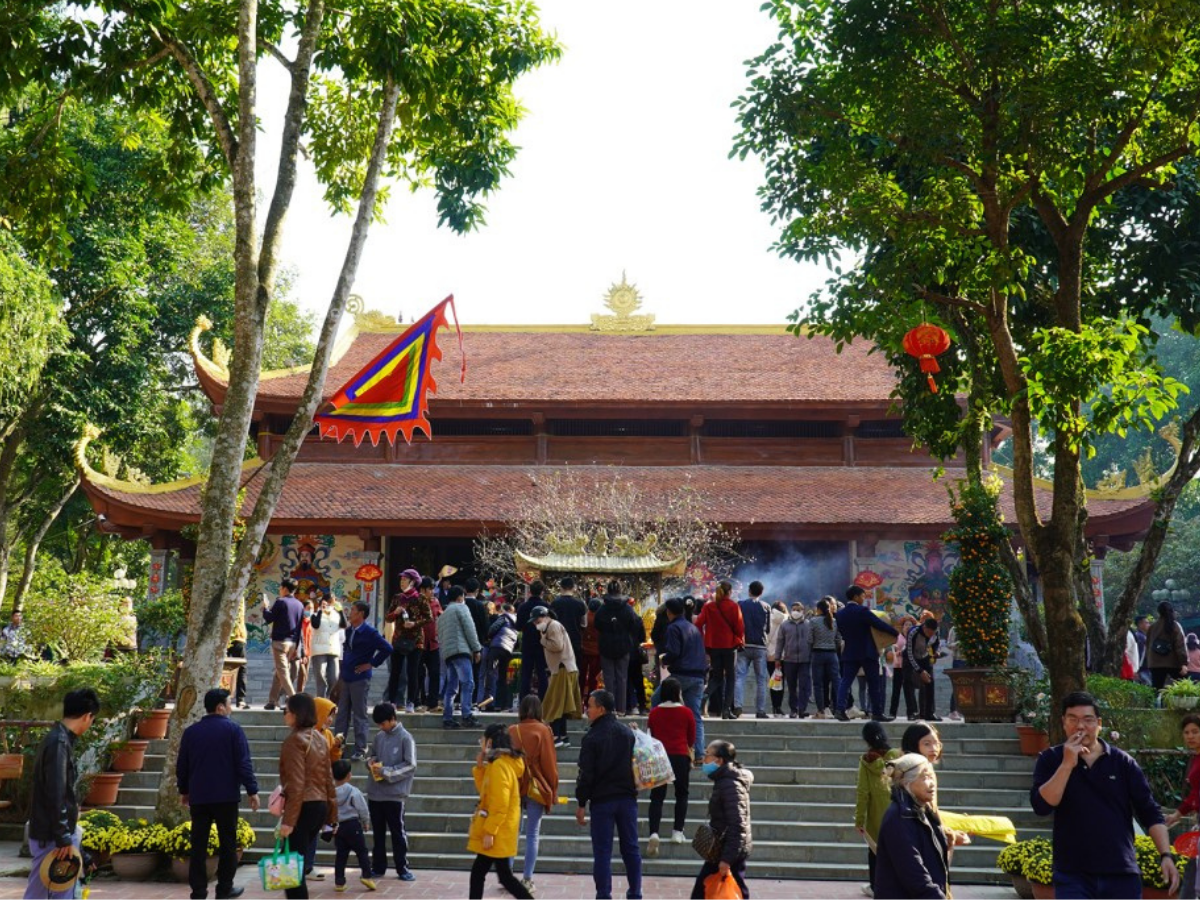
Suggested itinerary for a complete and unique visit to Phu Na. (Source: Collected)
After that, visitors can continue to explore the tam quan gate area, the shrines with exquisite architectural details, and take photos in areas such as the artificial waterfall, the lantern-hung path, and the ornamental gardens around Phu Na . Especially, from high vantage points, you can gaze out at the panoramic view of Xuan Du valley.
At noon, visitors can rest and enjoy local specialties at eateries near the relic site or at the local market. The diverse menu includes sticky rice cooked in bamboo tubes, grilled rice crackers, light vegetarian dishes, and highland specialties. In the afternoon, if it coincides with the festival season, visitors should participate in cultural activities and souvenir shopping. Finally, conclude the journey with photos under the sunset at Phu Na .
Phu Na is not only a spiritual historical symbol but also a place that cultivates cultural identity and develops tourism in Thanh Hoa. The journey to explore Phu Na offers visitors the opportunity to deeply feel Vietnamese cultural traditions, experience unique festivals, and find soul-healing values amidst the sacred space. Prepare your luggage to visit Phu Na during the upcoming festival season and don't forget to share your wonderful experiences of this meaningful pilgrimage!
Let's start your vacation!

Special offer up to 30% when booking tickets on the Sun Paradise Land app
Related topics

