


Cuisine

Explore the historical value and architecture of Thanh Ha Pagoda in Thanh Hoa
Thanh Ha Pagoda is located at 34 Ben Ngu Street, Hac Thanh Ward, just a few minutes from Thanh Hoa city center. Thanks to convenient transportation, visitors can easily reach here as well as combine visits to other scenic spots in the city.
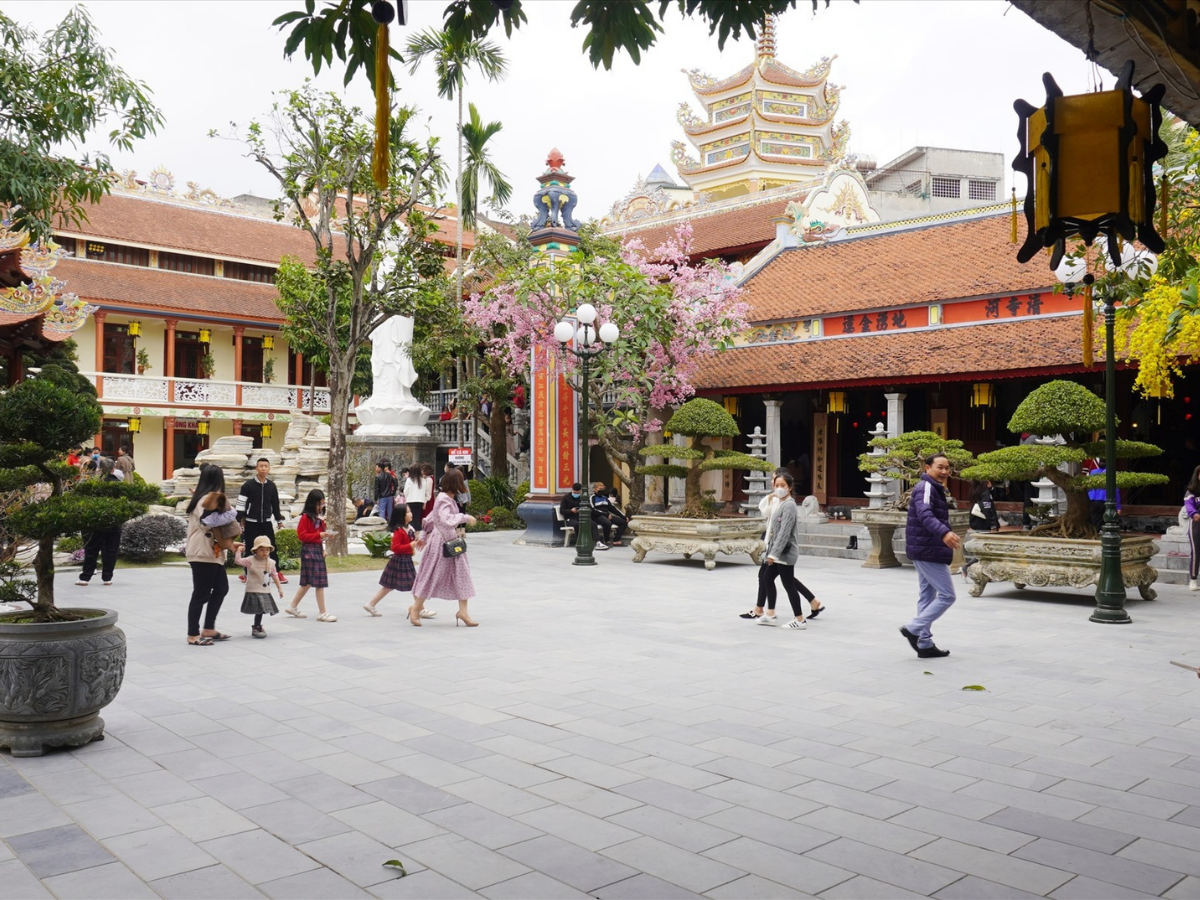
Thanh Ha Temple is located in Hac Thanh ward. (Source: Collected)
Not only a sacred place of worship, Thanh Ha Temple is also the largest Buddhist cultural center in Thanh Hoa province. The temple hosts many religious events, the Great Buddha's Birthday ceremony, Vu Lan festival, and province-wide charitable activities. With its serene atmosphere, ancient architecture, and convenient location, the pagoda has become a familiar spiritual destination for locals as well as visitors from all directions when coming to Thanh Hoa.
According to documents, Thanh Ha Temple was built during the Tran Dynasty around the 13th century. The temple belongs to Duc Tho village, a fishing village by the river, formerly known as Duc Tho Van. Legend has it that King Tran Thai Tong once visited the temple to offer incense and pray to heaven and earth before launching a campaign to conquer Chiem Thanh, thereby affirming the sacred status and special historical significance of the pagoda.
During the reign of King Thanh Thai (1889), the temple was ordered by royal decree to be renovated along with many other large pagodas in the region. In the 10th year of Bao Dai's reign (1935), Thanh Ha Temple continued to be extensively renovated under the direction of District Governor Hoanh and the contributions of the local people. Two eminent monks, Venerable Thich Thanh Trinh and Venerable Thich Thanh Duc (Huong Du Pagoda, Ninh Binh), undertook the design and construction supervision, creating the grand and imposing appearance of the pagoda as it is today.
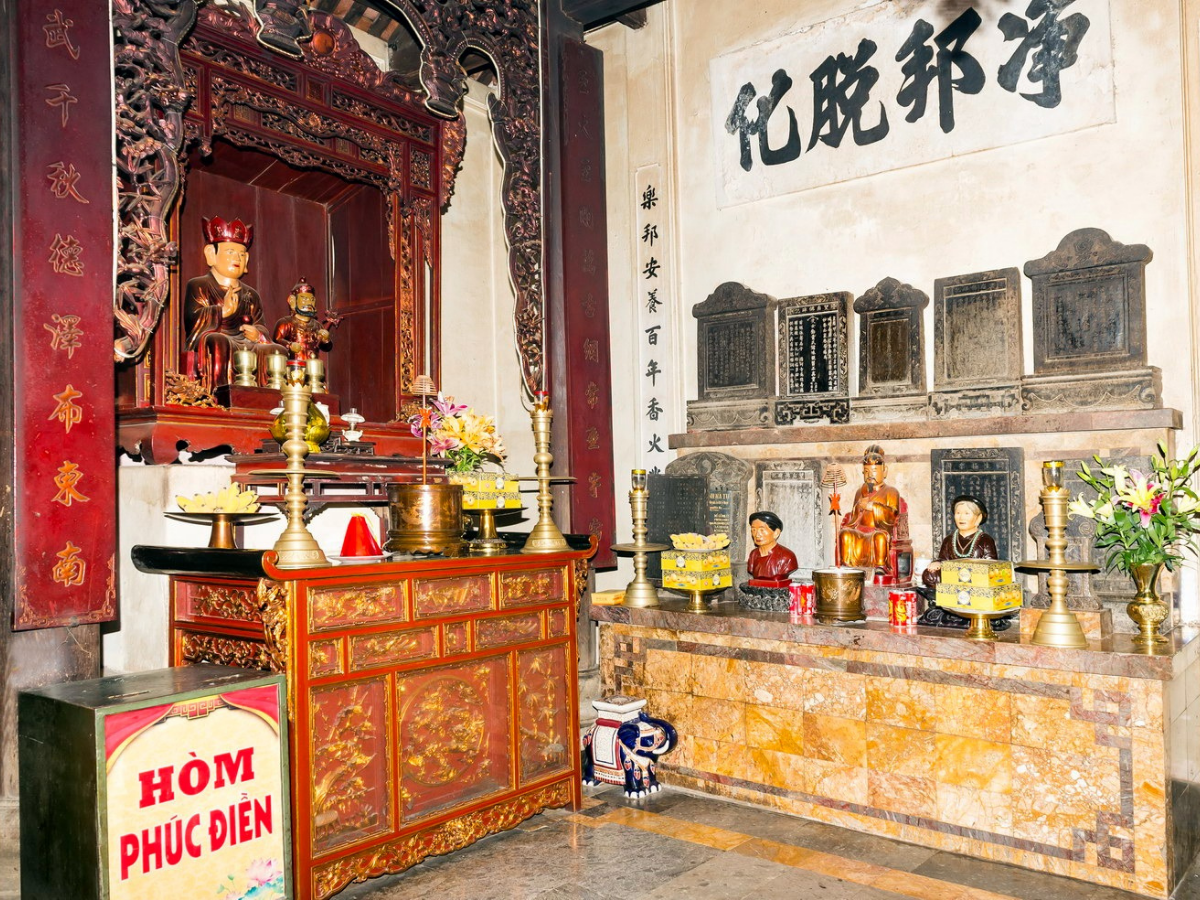
The space of Thanh Ha Pagoda has been invested in and renovated over many periods. (Source: Collected)
Having gone through two resistance wars against France and America, although many religious structures in the province were destroyed, Thanh Ha Pagoda still firmly exists, preserved and renovated by the people over each period. In 1998, the pagoda was recognized as a provincial historical-cultural relic, becoming a spiritual symbol deeply associated with the land of Lo Chum - Truong Thi, as well as a typical destination in the journey to explore the culture and Buddhism of Thanh Hoa.
Thanks to its location right in the center, the way to Thanh Ha Pagoda is very convenient and easy to find. From the center of Thanh Hoa, visitors can start from Lam Son Square or the Le Loi Avenue area. Then follow National Highway 1A north, turn into Truong Thi street, continue to Nga Ba Bia, then turn onto Ben Ngru street. Just a few minutes of travel, visitors will encounter the majestic Three-Gate Entrance with its bell tower, hidden among ancient trees. This is the characteristic sign leading into the tranquil space of the pagoda.
If starting from Hanoi, visitors can choose the Hanoi - Ninh Binh expressway. The distance is about 150 km, travel time is only about 3 hours. After arriving in Thanh Hoa, continue along Le Loi Avenue or National Highway 1A, turn into Truong Thi street, go straight to Ben Ngru to reach the pagoda. If traveling by limousine or bus, visitors can ask the driver to drop them off near the entrance of Thanh Ha Pagoda, which is very convenient for sightseeing.
Thanks to its central location and mild climate, Thanh Ha Pagoda is a destination that can be visited all year round. In spring, from the first to the third lunar month, the weather is cool, trees bud and sprout, and the pagoda's space becomes full of life. This is also the biggest festival season of the year, suitable for visitors to immerse themselves in the bustling atmosphere and participate in New Year's peace-praying rituals.
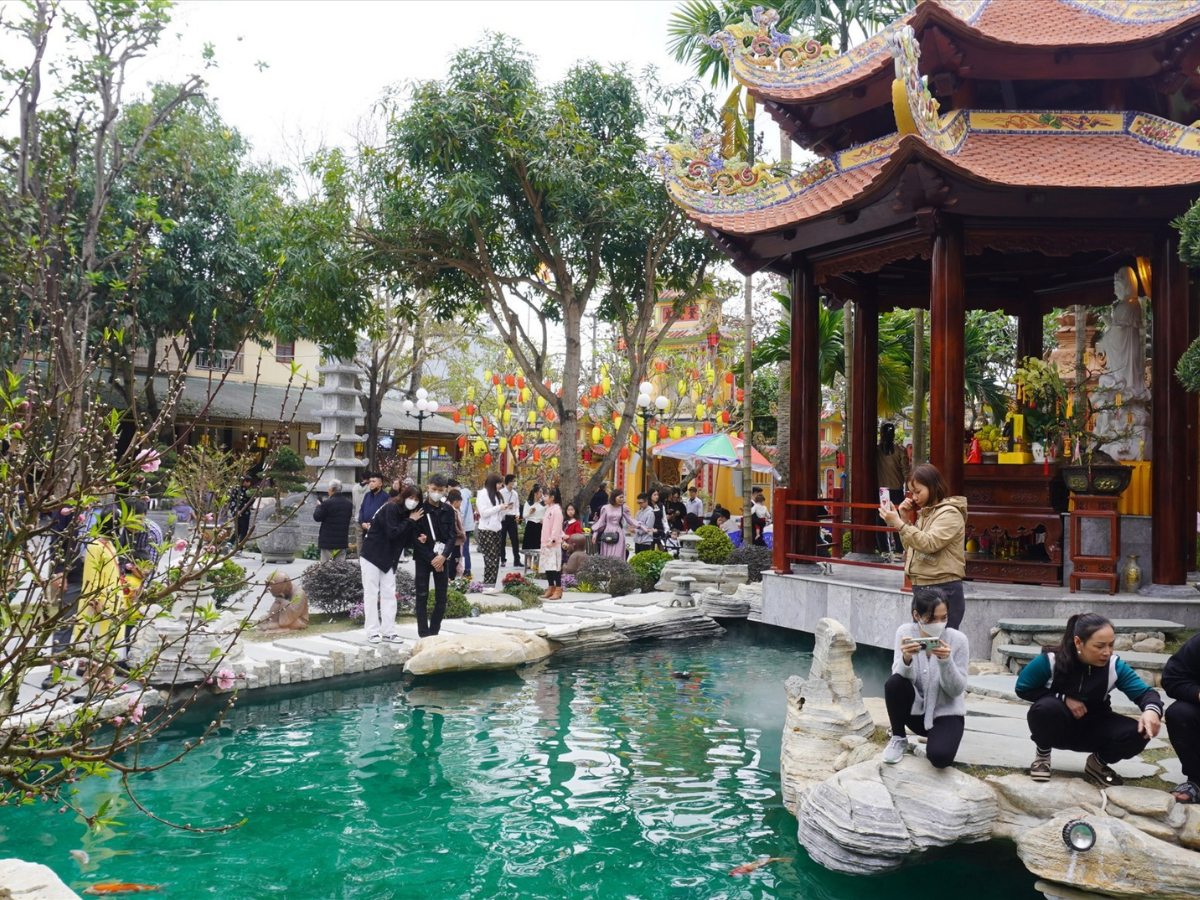
Thanh Ha Pagoda can be included in a trip to Thanh Hoa. (Source: Collected)
Summer from April to August, the weather is dry, convenient for travel and combining pagoda visits with other famous tourist destinations in Thanh Hoa province such as Sam Son Beach, Ba Trieu Temple or Ham Rong Mountain.
Throughout the four seasons of the year, Thanh Ha Pagoda always organizes solemn Buddhist activities, but it is especially bustling during major festivals. The full moon of the first lunar month is Tet Nguyen Tieu, a time for praying for peace at the beginning of the year, attracting thousands of Buddhists to offer incense, pray for blessings, and participate in traditional rituals.
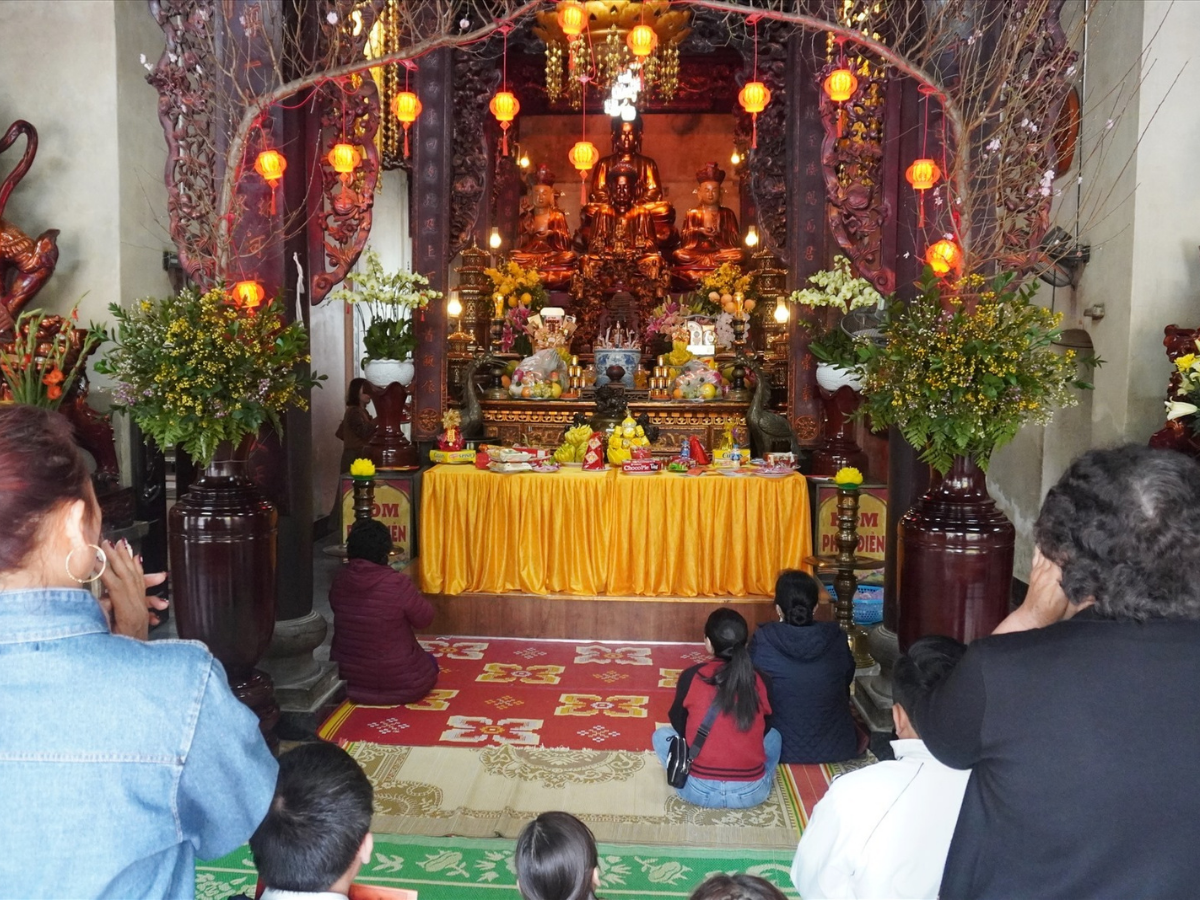
Tourists often choose Thanh Ha Pagoda as a place to pray for peace. (Source: Collected)
The Buddha's Birthday festival, held on the full moon of the fourth lunar month, commemorates the birth of Lord Buddha, bringing a joyful atmosphere filled with colorful flags, flowers, and ringing bells. During the Vu Lan Grand Ceremony on the full moon of the seventh lunar month, Thanh Ha Pagoda becomes a place for descendants to express gratitude and filial piety towards their parents and ancestors. During the Lunar New Year (Tet Nguyen Dan), the atmosphere in the pagoda becomes more sacred and solemn as people and tourists alike come to worship Buddha, pray for peace, prosperity, and admire the ancient beauty of the pagoda, which is over seven centuries old.
Thanh Ha Pagoda strongly embodies the architectural style of Vietnamese pagodas during the Nguyen Dynasty, yet it features a rare and distinctive arrangement for worship and artistic decoration. Entering the main hall, the first row of statues is the Triad of Buddhas (Tam The Phat), followed by the largest statue of Amitabha Buddha (A Di Da) in the sanctuary. The third row contains only the statue of the Lord Buddha Shakyamuni (Thich Ca Mau Ni), which differs from many Northern Vietnamese pagodas that typically worship the Three Saints (Tam Thanh).
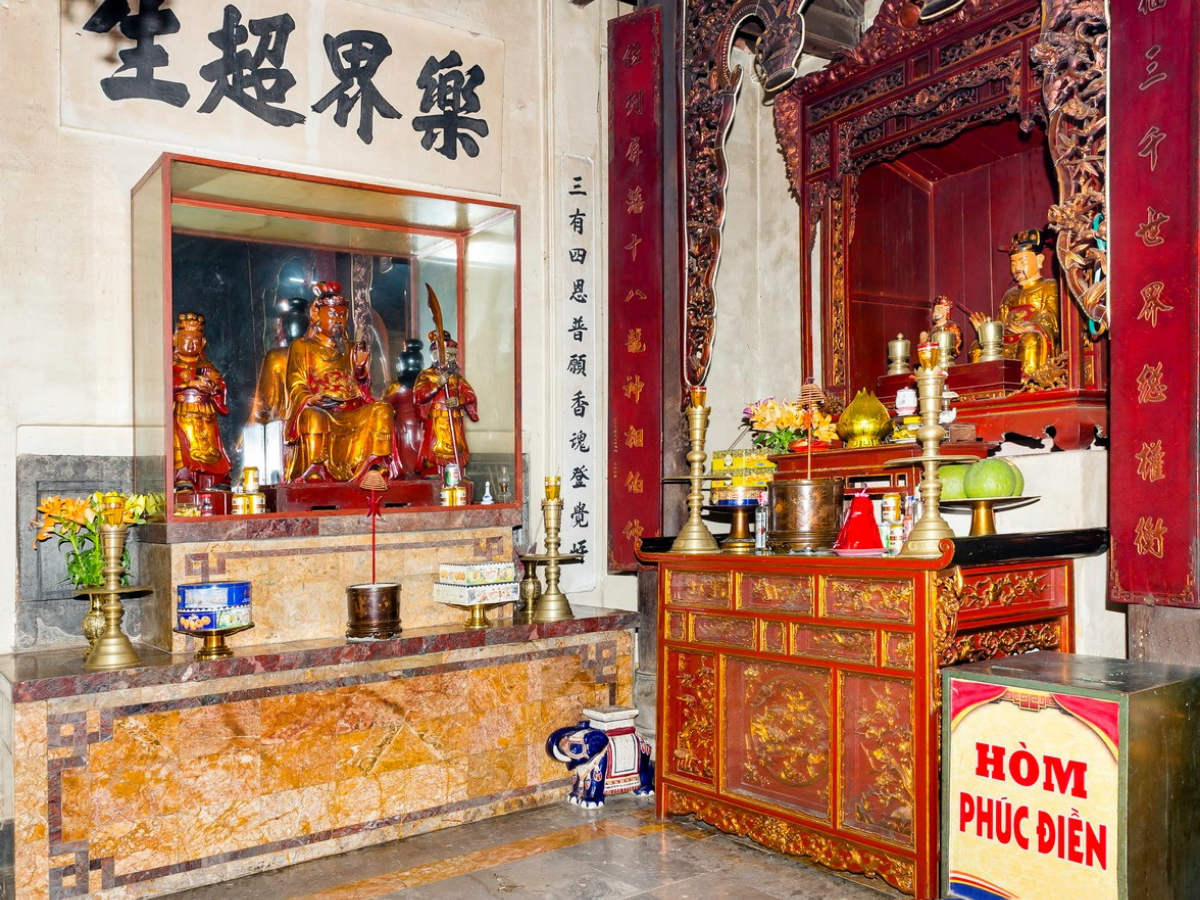
The worship space inside Thanh Ha Pagoda. (Source: Compilation)
Behind is the Avalokitesvara Thousand Hands Thousand Eyes statue, and finally the majestic Cuu Long tower, completing a space that is both solemn and serene. Particularly, Thanh Ha Pagoda does not have statues of the Ten Kings of Hell (Thap Dien Diem Vuong) like many other pagodas, demonstrating a distinct feature in the Buddhist worship tradition of the Thanh region.
The statues in the pagoda are works of art carrying profound cultural and spiritual value. Most prominent is the statue of Buddha Mother Avalokitesvara Thousand Hands Thousand Eyes with sophisticated carving techniques, where every detail showcases the meticulousness and talent of the artisans.
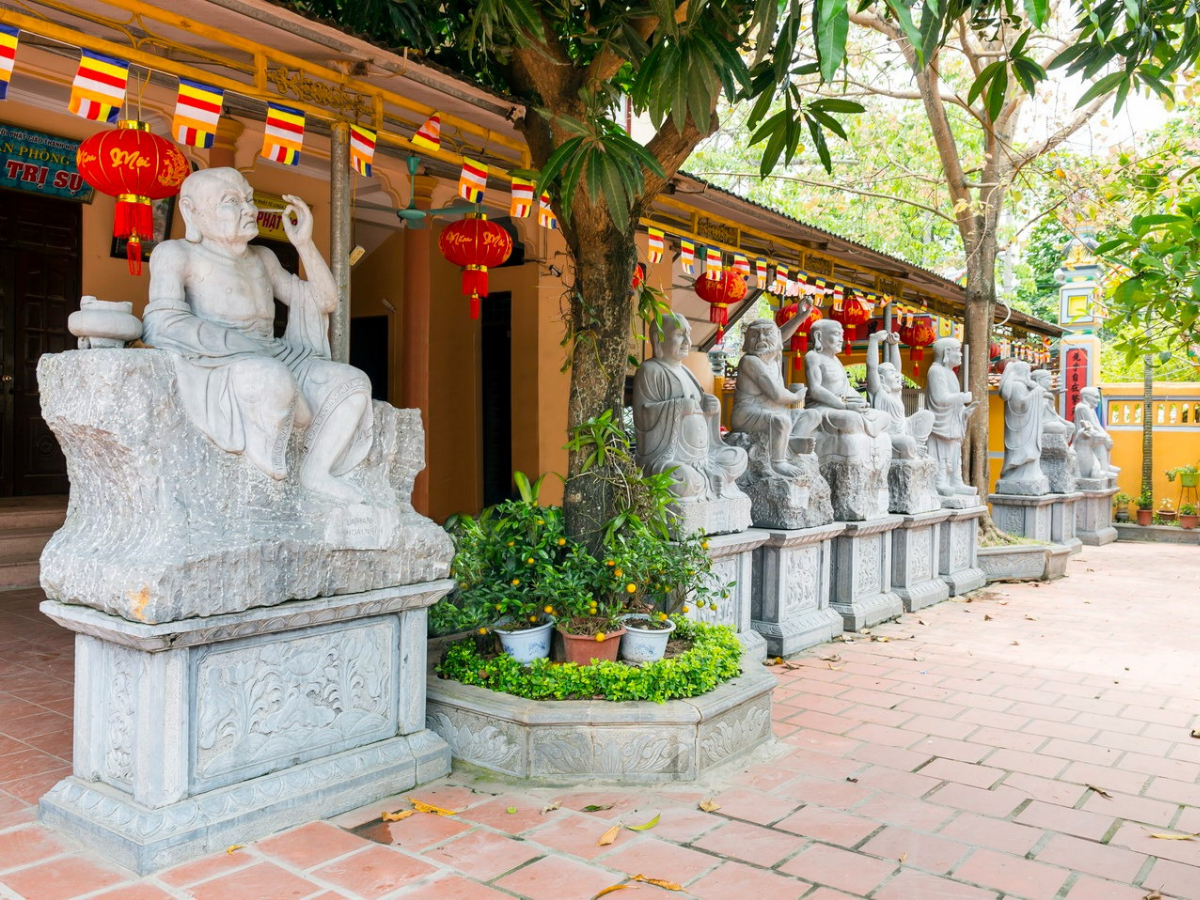
Notable stone statues at Thanh Ha Pagoda. (Source: Collected)
The statue of the infant Shakyamuni at the pagoda also makes a special impression with its unusual 'robed' style, youthful face, compassionate eyes, expressing a preaching demeanor. Every carving line, paint color, and lighting contributes to the ancient and sacred beauty of the Buddha Hall space.
Like many ancient pagodas in Thanh Hoa, Thanh Ha Pagoda has all the auxiliary structures such as the Ancestral House, Mother's House, and Tu An House. The Ancestral House is where the founding monks, who were associated with the pagoda's formation and development, are commemorated. The Mother's House honors the Mother Goddess worship, a unique folk cultural aspect harmoniously blended with Buddhist principles. The Tu An House embodies the principle of remembering one's roots with four great debts of gratitude: to parents, teachers and ancestors, the nation, and all sentient beings. The entire space is adorned with a system of parallel sentences and horizontal lacquered boards carved in stone and ironwood, possessing both artistic value and conveying profound life philosophies.
Each year, Thanh Ha Pagoda becomes a spiritual destination for the people of Thanh Hoa and visitors from all directions during major festival occasions. Besides the Buddha's Birthday, the Tam Hop Grand Ceremony, or the Quan Am Veneration Ceremony, the 15th day of the 7th lunar month (Vu Lan filial piety) is considered the most important festival. On this occasion, the pagoda is ablaze with candlelight, bells ring, and incense smoke mingles with the wind, creating a sacred and reverent atmosphere.
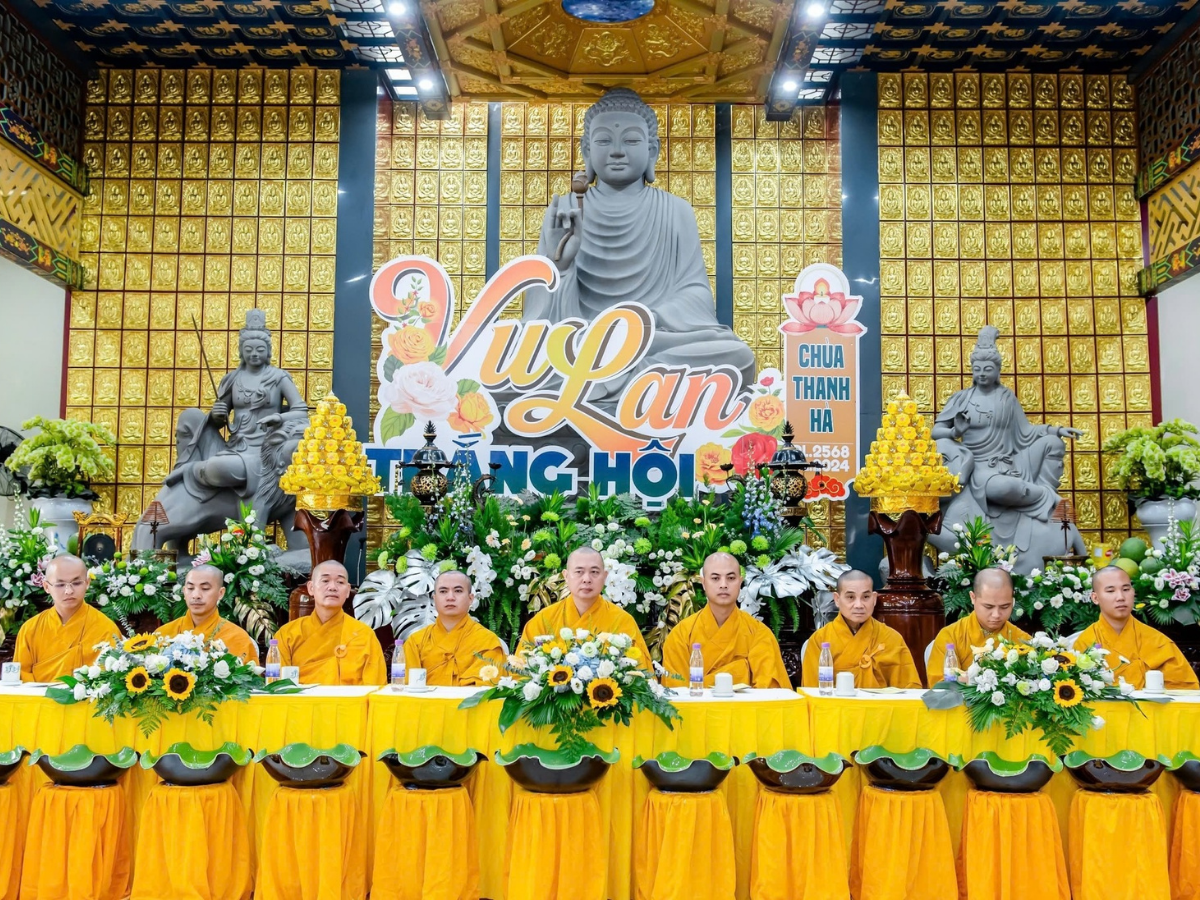
Vu Lan Festival is held annually at Thanh Ha Pagoda. (Source: Collected)
Especially, during the Lunar New Year (Tet Nguyen Dan), thousands of people flock to the pagoda for spring travel, offering incense for peace, blessings, and prosperity. It is not only an occasion to turn towards spiritual roots, but the Thanh Ha Pagoda festival is also an opportunity for visitors to better feel the cultural beauty, filial piety, and good-hearted spirit of the people of Thanh Hoa.
To ensure a complete visit to Thanh Ha Pagoda and maintain the solemnity of the Buddhist sanctuary, visitors should note a few points:
Maintain neat and polite attire when entering the pagoda area; avoid wearing short clothes, off-the-shoulder tops, or very short skirts to show reverence and respect for the spiritual space.
Maintain a gentle demeanor, speak softly, and avoid making noise or laughing loudly in the worship area. Do not touch Buddhist statues, artifacts, or offerings in the pagoda.
Maintain general hygiene, do not litter, and do not bring food into the worship area. If you bring water bottles or plastic bags, dispose of them in designated areas after use.
Follow the instructions of the pagoda management and staff, especially during crowded festival seasons, to ensure safety and avoid jostling.
Maintain a peaceful and tranquil state of mind , take time for worship, listen to the pagoda bells, and enjoy the serene atmosphere.
Not far from Thanh Hoa city center, Nui Chua - Am Tien is a landmark associated with Trieu Au's history of resisting foreign invaders and many heroic legends. The relic site is also one of the famous 'sacred lands', attracting visitors for pilgrimage, worship, and to admire the majestic natural scenery. The fresh air, winding mountain paths, and panoramic views of the Thanh Hoa plains create a sense of relaxation and tranquility.
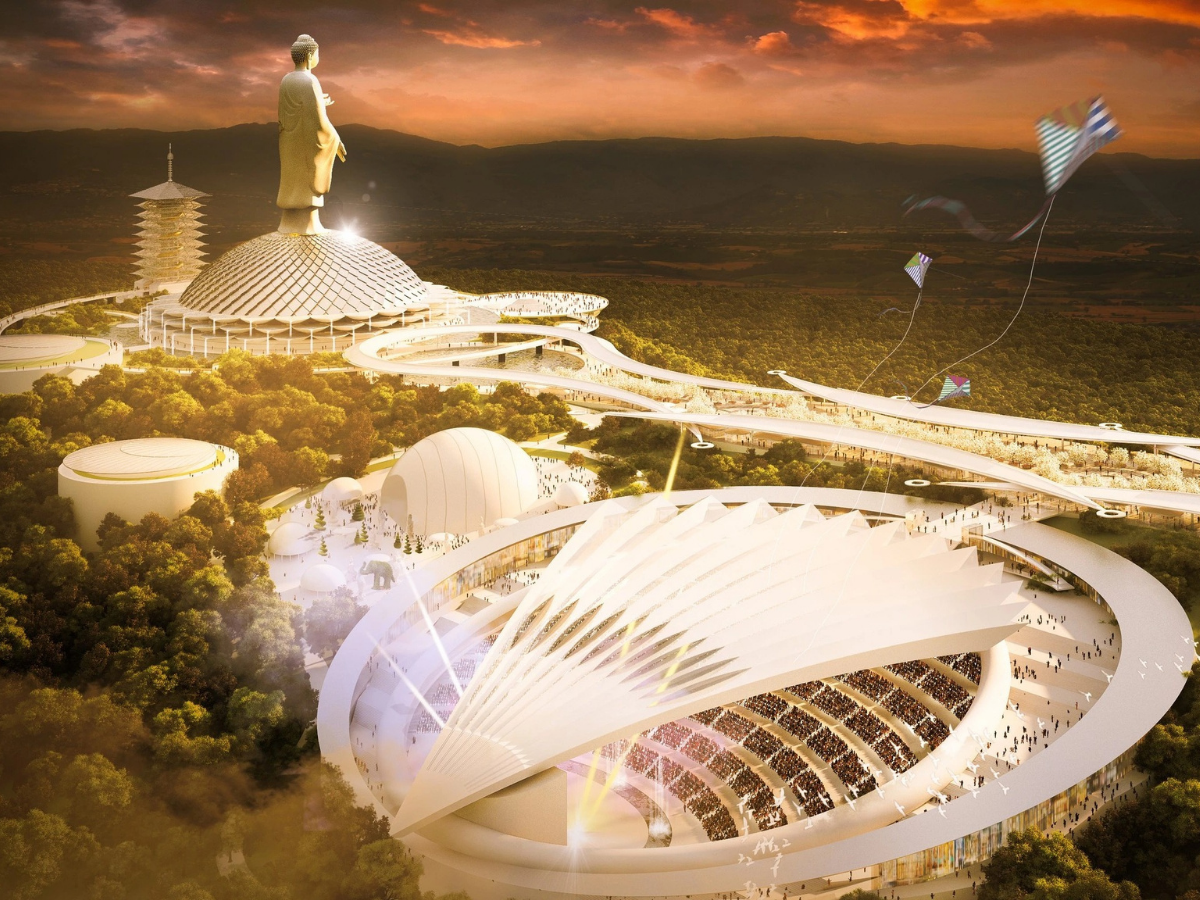
Am Tien Legend Project in the Nui Chua mountain area. (Source: Collected)
Currently, the "Am Tien Legend" project is being constructed in this area. Upon completion, the project is promised to become a new spiritual tourism center for Thanh Hoa in particular and the North Central region in general.
If you want to regain energy after a spiritual journey, visitors can travel about 30 km east to reach Hai Tien beach. The stretch of fine white sand, gentle waves, and clear blue sky make this an ideal stopover for relaxation, swimming, or enjoying fresh seafood. Coastal resorts also offer many convenient services, suitable for a trip combining spirituality and relaxation.
Sam Son Beach, the tourism icon of Thanh Hoa, is also a great choice for a continuation of your journey after visiting Thanh Ha Pagoda. The long beach, gentle waves, and vibrant atmosphere bring a fresh and exciting feeling to all visitors.
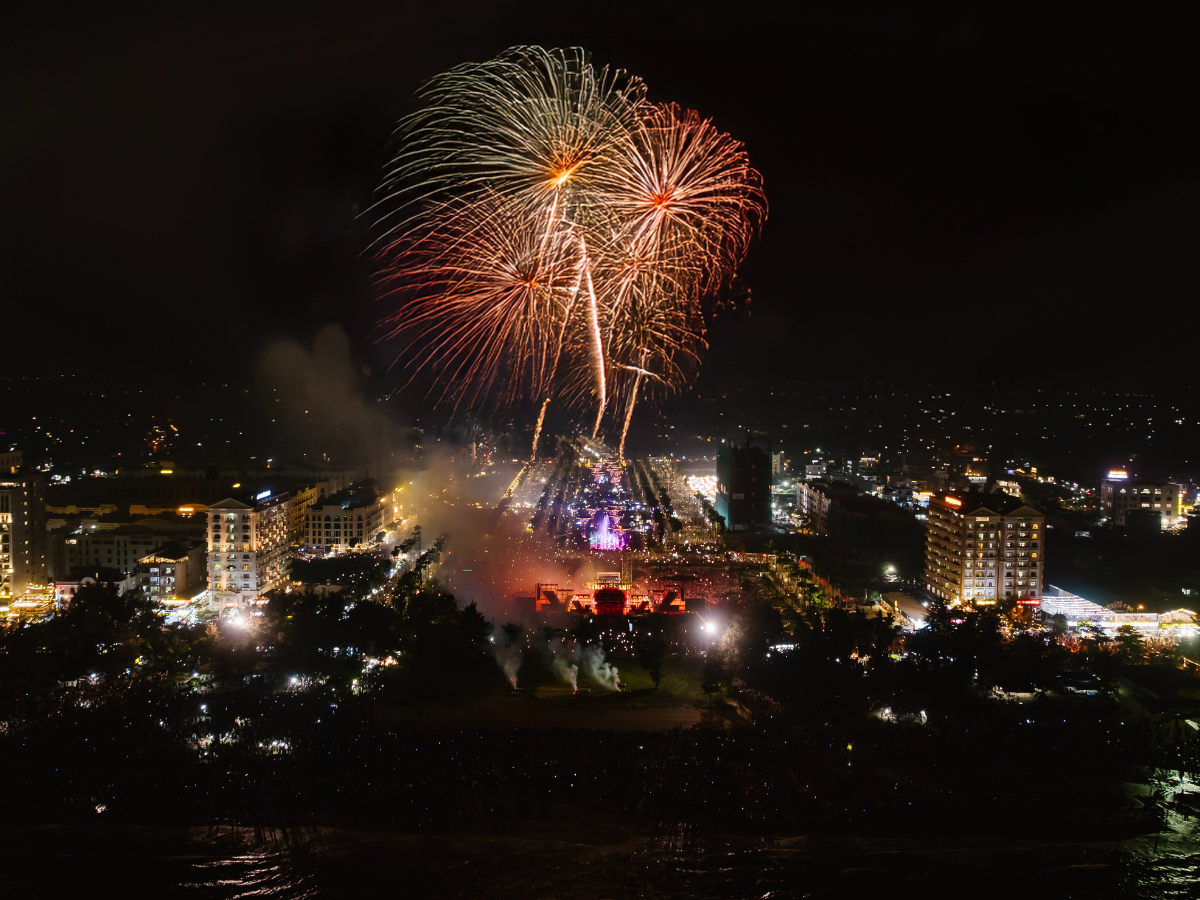
The Sea Square is a venue for large-scale events in Sam Son. (Source: Collection)
In particular, the Sam Son Sea Square is a must-visit check-in spot, standing out with its open space directly facing the sea. In the evening, the square is brightly lit, and cultural and artistic programs are frequently held. This is the ideal place to end an emotional Thanh Hoa trip with spiritual, natural, and sea experiences.
Thanh Ha Pagoda is not only a spiritual destination but also a journey to explore the history, architecture, and culture rich in Thanh land's identity. Take time to visit this ancient pagoda to experience the sacred space and learn about the precious values of the Lo Chum land.
Let's start your vacation!

Special offer up to 30% when booking tickets on the Sun Paradise Land app

