


Vouchers

Top 7 Most Outstanding Thanh Hoa Historical Sites for a 2025 Heritage Journey
Thanh Hoa is a land converging with long-standing historical values, once the cradle of Dong Son civilization and the homeland of many national heroes. Over thousands of years, this place has witnessed the interweaving of ancient, medieval, and modern cultures.

Am Tien relic is associated with the rebellion of Lady Trieu. (Source: Collection)
Notably, Con Moong Cave preserves traces of prehistoric humans, while Dong Son bronze drums demonstrate the grandeur of a once-brilliant civilization. Additionally, the imprints of feudal dynasties such as the Ho, Hau Le, and Tien Le dynasties are still deeply imprinted on this land. All contribute to creating a rich and diverse heritage ecosystem.
The Thanh Hoa heritage system plays an important role in educating the younger generation about patriotism. These relics are where memories are preserved, national pride is inspired, and awareness of preserving precious heritage values is raised. Historical sites also serve as a strong foundation for the local tourism industry, attracting numerous tourists each year, contributing positively to sustainable economic and social development.
Thanh Hoa is one of the provinces with the largest number of recognized heritage sites in the country, with nearly 1,535 sites. Notably, Ho Citadel was recognized by UNESCO as a world cultural heritage site in 2011. Additionally, the province currently possesses 6 special national relics including Lam Kinh, Ba Trieu Temple, Con Moong Cave, Le Hoan Temple, Ho Citadel, and Sam Son Historical and Scenic Site.
Furthermore, there are 139 national-level relics and over 700 provincial-level relics, creating a dense network of cultural heritage. This richness has made Thanh Hoa an attractive destination in the heritage exploration journey of the Central region as well as the entire country.
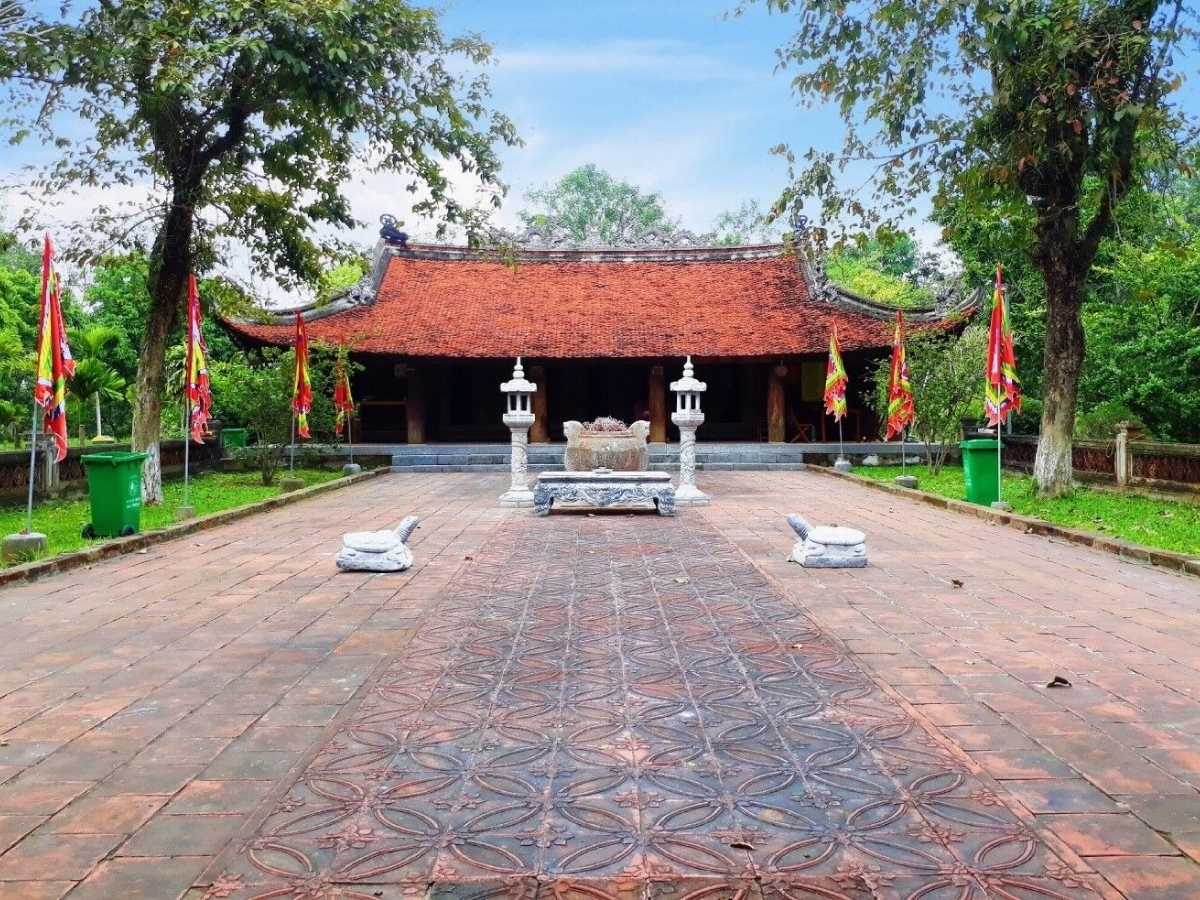
Le Hoan Temple is one of the special national relics in Thanh Hoa. (Source: Collected)
Recognition from domestic and international organizations has created strong momentum for conservation, restoration, and heritage value promotion activities. The work of repairing and restoring relics, along with organizing many cultural and tourism events, has received investment interest. Thanh Hoa relics are also places where many festivals and traditional religious activities take place. All contribute to community cohesion and preserving the unique identity of the Thanh Hoa region.
When mentioning Thanh Hoa relics, Ho Citadel is definitely a must-visit. This is the most unique stone citadel in Southeast Asia, built by Ho Quy Ly in 1397. The work demonstrates exquisite stone-fitting techniques without adhesives, reflecting the architectural level and ahead-of-its-time thinking of the ancients.
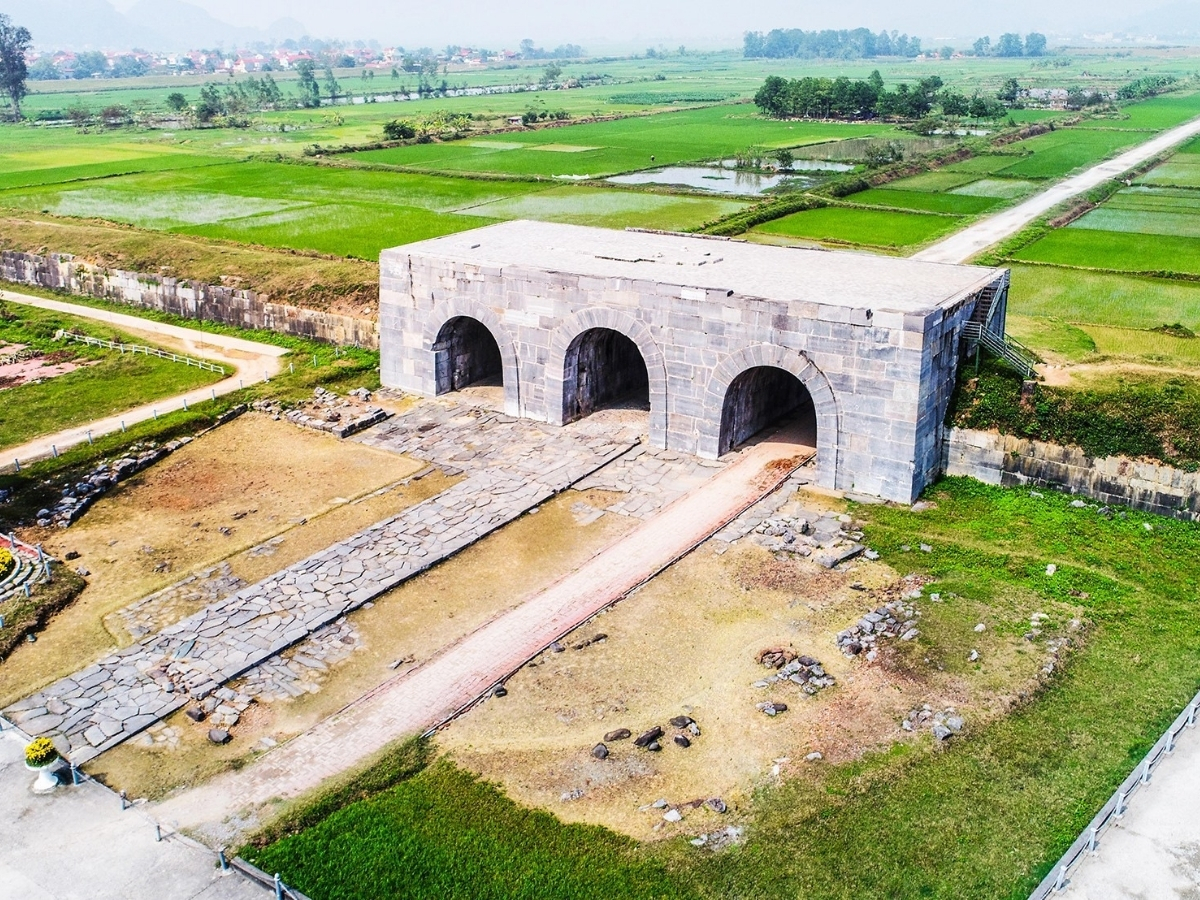
Ho Dynasty Citadel is a special relic recognized by UNESCO. (Source: Collected)
The heritage site includes the inner citadel, outer citadel, and Nam Giao Altar, covering an area of 155.5 ha, surrounded by a buffer zone of 5,078.5 ha. Located between the Ma River (Song Ma) and the Buoi River (Song Buoi) in Vinh Loc commune (Xa Vinh Loc), the citadel was built according to feng shui principles, creating a harmonious landscape between nature and architecture. Currently, the four citadel gates remain intact. The entire architectural complex of the citadel is assembled from stone blocks weighing 10 to 26 tons, forming a perimeter of over 3.5 km.
Visitors can admire the sophisticated construction techniques over 600 years old. The heritage site is open from 7:00 AM to 5:30 PM in summer and from 7:00 AM to 5:00 PM in winter, with ticket prices of 40,000 VND/visit for adults and 20,000 VND/visit for children aged 8 to 15 (according to the Ho Dynasty Citadel Heritage Conservation Center (Trung Tam Bao Ton Di San Thanh Nha Ho)).
The Lam Kinh Relic Site (Khu di tich Lam Kinh) is located in Lam Son commune (Xa Lam Son), a land associated with the Later Lê Dynasty and the Lam Son Uprising led by hero Le Loi from 1418 to 1427. After regaining independence, Le Loi ascended the throne as emperor, taking the reign title Le Thai To and establishing the nation name Dai Viet. Over hundreds of years, Lam Kinh has not only been the origin of the dynasty but also a sacred land, preserving many ancient structures and legends steeped in myth.
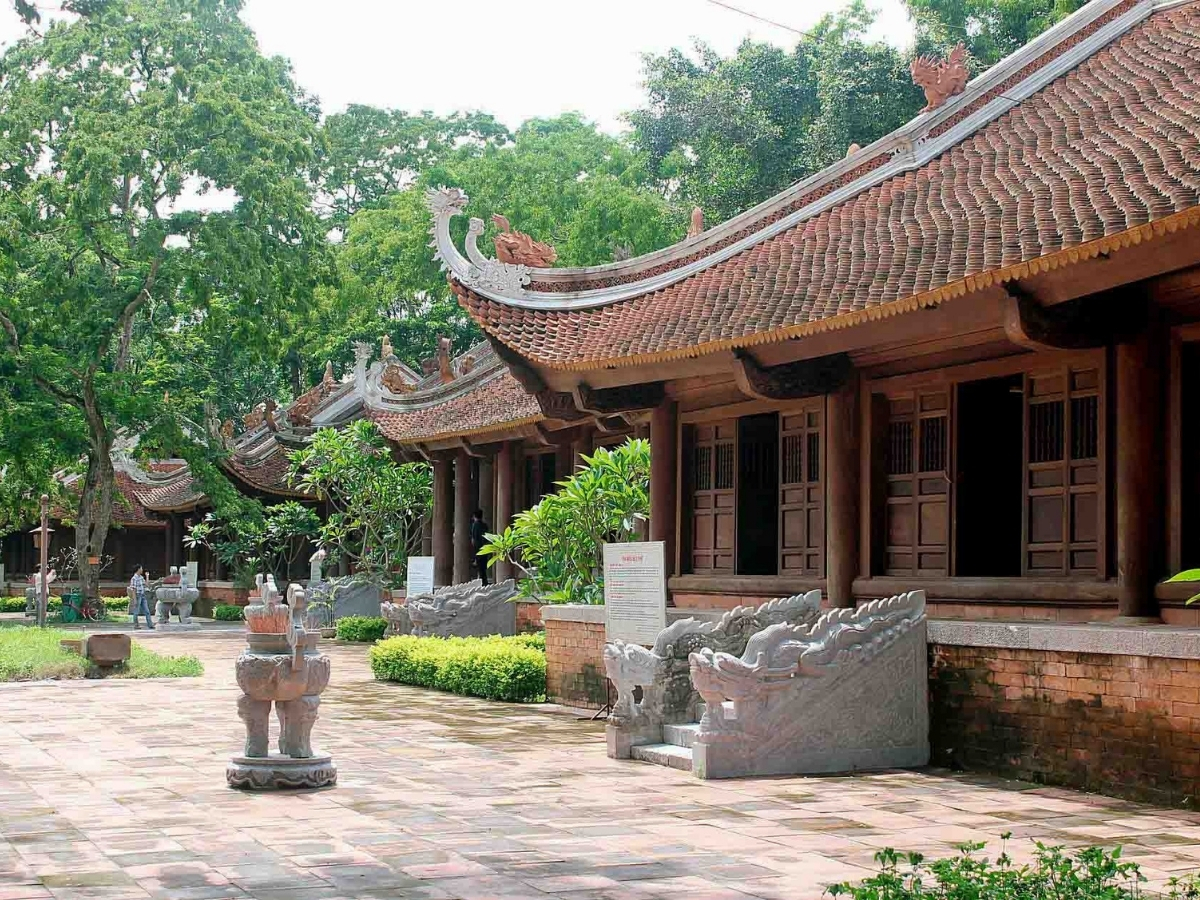
Lam Kinh historical site is associated with the Later Lê dynasty. (Source: Collected)
One of the highlights of the site is the system of tombs of the Later Lê emperors, including Vĩnh Lăng, the resting place of Emperor Lê Lợi, the Grand Ancestor. The tomb is located on flat ground, about 50 meters from Lam Kinh palace, leaning against Dau mountain. In front, there is a wide ceremonial path and Chúa mountain serving as a screen, creating a "tiger lying down, dragon bowing" feng shui posture. The tomb's architecture is simple yet solemn, built with rough-hewn bricks and stones, surrounded by two rows of attendant statues and stone mythical creatures such as Nghe, horses, rhinoceroses, and tigers.
Visiting Lam Kinh, tourists can not only admire the ancient imperial architectural style in a "tọa sơn hướng thủy" setting, but also hear about mysterious stories like the legend of the laughing guava tree. With its profound historical, cultural, and spiritual values, Lam Kinh has become an attractive destination for those who love to explore the heroic past and the văn hiến of Đại Việt.
The Ham Rong historical and cultural site is located on National Highway 1A, in Ham Rong ward. This is a complex of famous scenic spots and historical relics associated with the glorious victories of our army and people in the resistance against the US for national salvation. With its majestic natural landscape and profound historical value, this place has become a symbol of the resilient will and pride of the people of Thanh land.
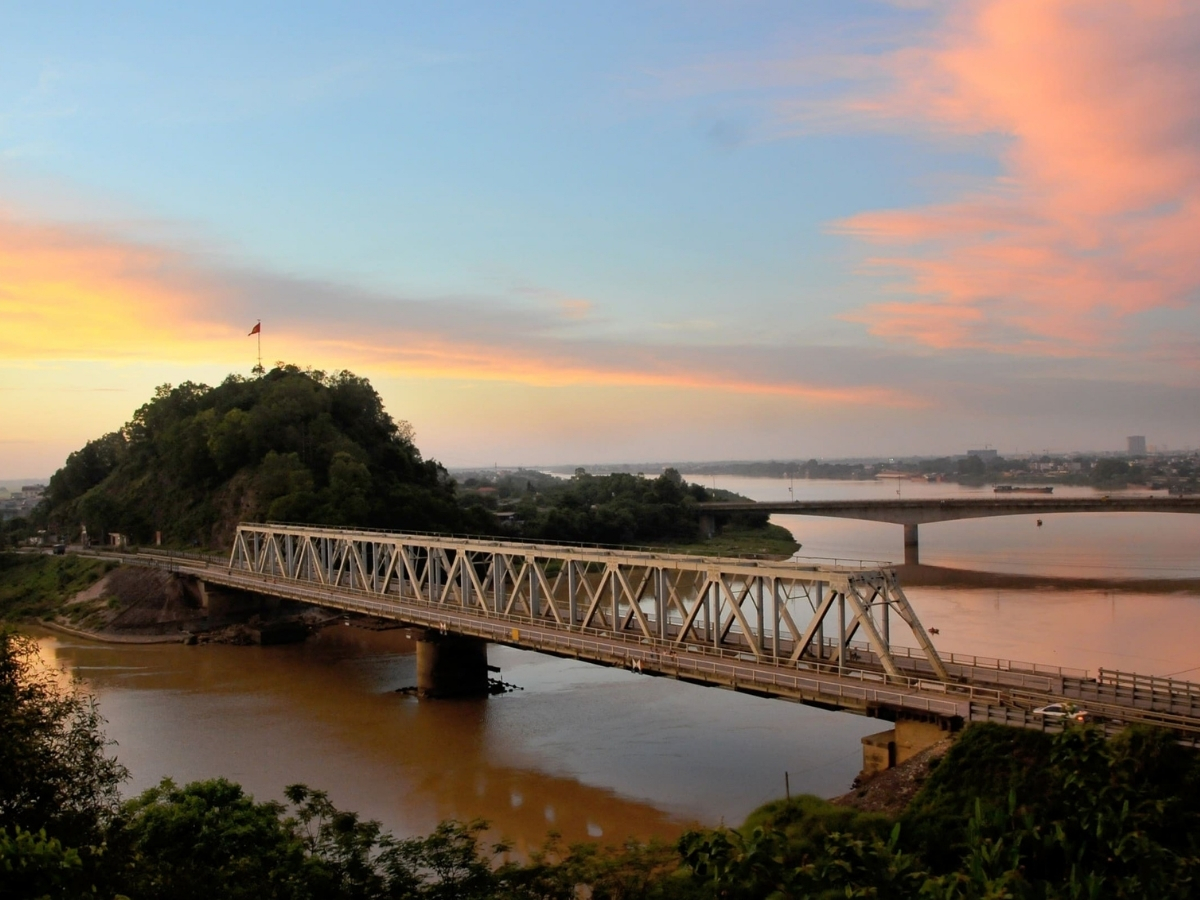
Dragon Bridge, Cau Rong is a prominent historical symbol in Thanh Hoa. (Source: Collected)
Spanning over 560 ha, the relic site includes many outstanding scenic spots and works such as Ham Rong Bridge, Cau Ham Rong, Ham Rong Mountain, Nui Ham Rong, Ngoc Mountain, Nui Ngoc, Canh Tien Mountain, Nui Canh Tien, Long Quang Cave, Dong Long Quang, Tien Son Cave, Dong Tien Son, Dong Son ancient village, Lang Co Dong Son, and Truc Lam Ham Rong Zen Monastery, Thien Vien Truc Lam Ham Rong. Each location holds its own unique value, reflecting both natural beauty and the indomitable and creative spirit of the people of Thanh Hoa through each historical period.
Today, visiting Ham Rong, visitors can admire the majestic beauty of Ham Rong Bridge, Cau Ham Rong spanning the Ma River, Song Ma, explore mystical caves like Tien Son Cave, Dong Tien Son, Long Quang Cave, Dong Long Quang, wander through the peaceful Dong Son ancient village, Lang Co Dong Son, or find tranquility at Truc Lam Ham Rong Zen Monastery, Thien Vien Truc Lam Ham Rong. This is a journey that takes visitors back to the nation's heroic history, while fully appreciating the natural and spiritual beauty of the Thanh Hoa relics.
Ba Trieu Temple, Den Ba Trieu is located at the foot of Gai Mountain, Nui Gai, Phu Dien village, Thon Phu Dien, Trieu Loc commune, Xa Trieu Loc. The temple was built during the reign of King Ly Nam De (6th century) to commemorate the merits of the national heroine Trieu Thi Trinh, who led the rebel army in an uprising against the yoke of domination by the Eastern Wu army. After many renovations, during the reign of King Minh Mang, the temple was moved to its current location and retains its ancient architecture, deeply imbued with the style of Vietnamese communal houses and pagodas.
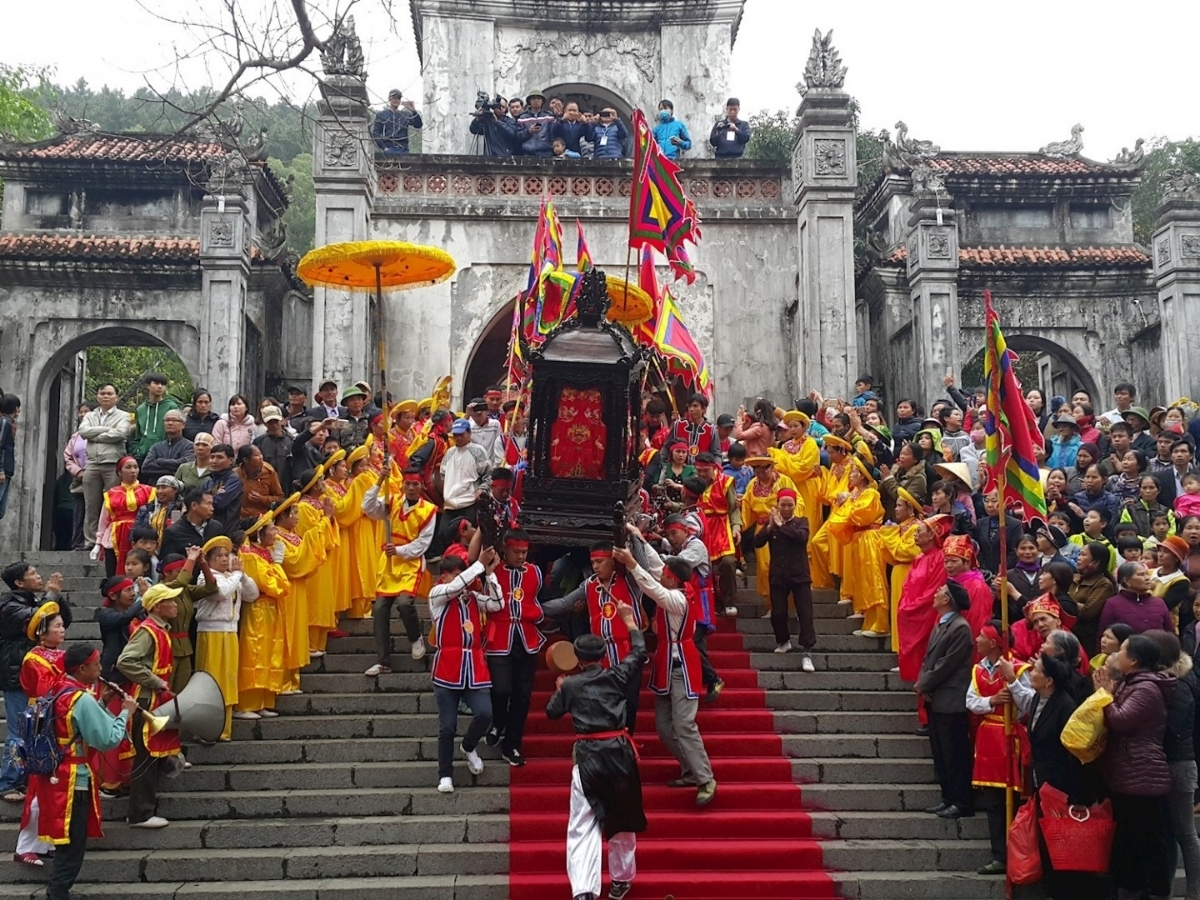
Scene of the traditional festival at Ba Trieu Temple. (Source: Collected)
The structure is built in the 'noi cong ngoai quoc' style, comprising three main halls: the front hall, the middle hall, and the rear sanctuary. The inner gate is of the three-gate style, with a pair of ancient stone Nghe statues guarding the entrance. The rear sanctuary is located at the highest point, leaning against Gai Mountain, distinguished by its gracefully curved roof, intricate carvings, and two monolithic blue stone dragons at the steps. About 500m from the main temple complex is the tomb of Ba Trieu and three generals of the Ly family, situated atop Tung Mountain – considered a sacred spiritual land, linked to the legend of the female general riding a golden elephant into battle.
Annually, from the 20th to the 23rd day of the second lunar month, the Ba Trieu Temple festival is solemnly held with rituals, palanquin processions, and folk cultural performances, attracting a large number of people and visitors from all directions. Not only a historical relic of artistic and architectural value, Ba Trieu Temple is also a symbol of the indomitable spirit, patriotism, and pride of Vietnamese women.
Nua Mountain, also known as Ngan Nua, is located in Tan Ninh commune. It is likened to "the roof of Thanh Hoa province" with an altitude of over 500m and majestic scenery. At the summit is Am Tien Sanctuary, a sacred temple within the National Historical and Cultural Relic Site "Nua Temple - Am Tien Sanctuary". This place is associated with the glorious uprising of heroine Trieu Thi Trinh in 248 AD, when she and her brother Trieu Quoc Dat chose Nua Mountain as their base, recruited soldiers, and trained troops to resist the Ngo army's domination.
The entire relic complex covers nearly 100 hectares, stretching along the mountain range from Trieu Son to Nghe An for nearly 20 km, creating a "dragon coiling and tiger crouching" formation amidst the Thanh Hoa plains. From this base, Ba Trieu's rebel army launched many resounding battles, achieving great victories at Tu Pho Citadel, contributing to the glory of the nation's indomitable spirit. Today, Am Tien is still considered by locals as a "sacred energy point", a convergence of earthly and heavenly energies and human reverence for the heroic female general.
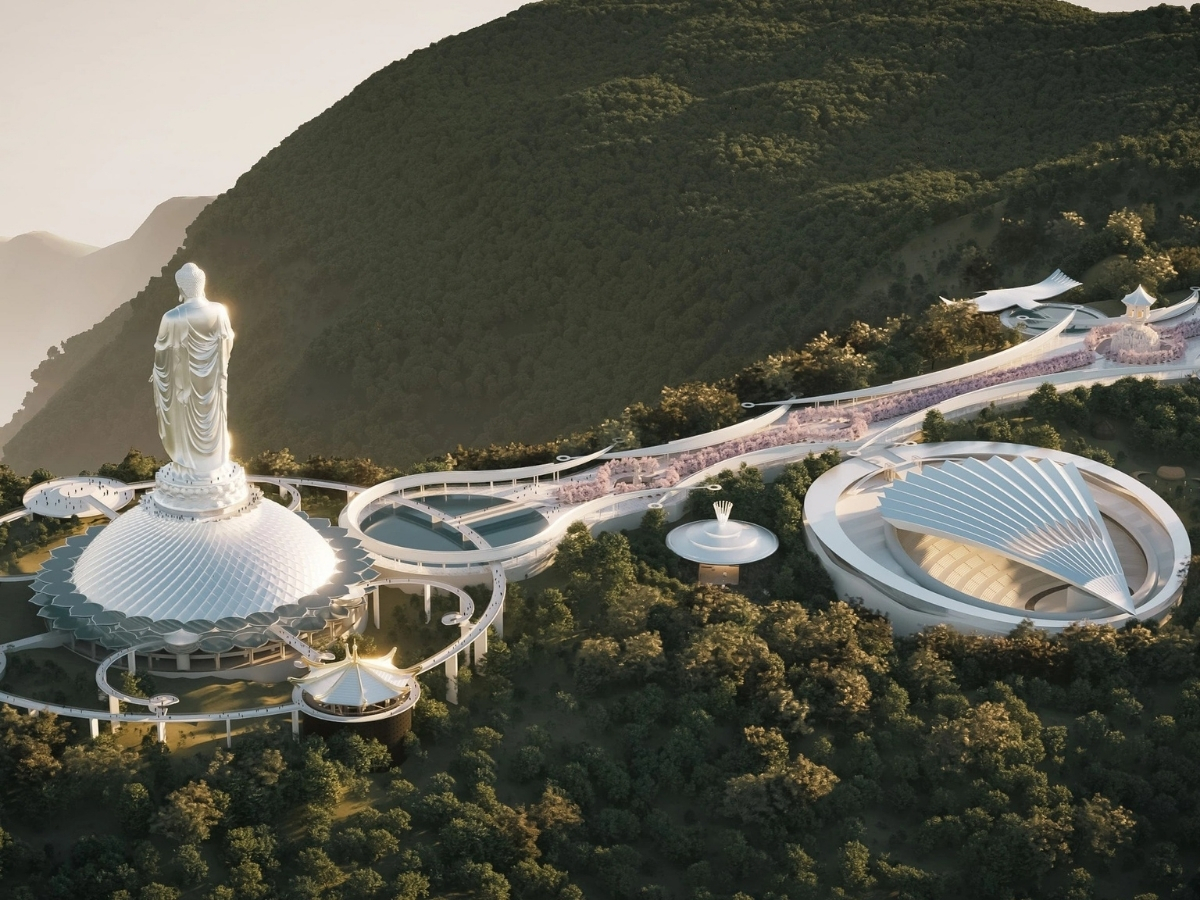
The project “Am Tien Legend’ is highly anticipated in Thanh Hoa. (Source: Collection)
Currently, the "Am Tien Legend" project is being implemented with the aim of preserving the landscape, restoring traditional festivals, and developing ecological and spiritual tourism. The project is expected to turn Am Tien into a new spiritual cultural center of Thanh Hoa region, where visitors can pilgrimage, worship, and immerse themselves in the mystical space amidst majestic mountains. This is not only a destination with profound historical and cultural value but also a symbol of the revival of heritage and the pride of Thanh Hoa historical sites .
Le Hoan Temple, located in Xuan Lap commune, is a special national relic built to commemorate the merits of King Le Dai Hanh. The temple dates back about 1,000 years, and is one of the typical ancient architectural works of Thanh Hoa region. The temple is a place that preserves the memory of a heroic historical period along with sacred legends about the life of the wise king.
The structure is built in the shape of the Chinese character "Cong" (工), consisting of the front hall, middle hall, and inner sanctuary, with gracefully curved roofs, intricately carved with the four sacred animals: dragon, unicorn, turtle, and phoenix. The truss structure, purlins, and brackets all clearly show the architectural characteristics of the Tien Le period. Not only does it have artistic value, the temple also preserves many precious artifacts such as two stone steles from the 17th century, 14 royal decrees from the Le and Nguyen dynasties, and many lacquered and gilded wooden objects.
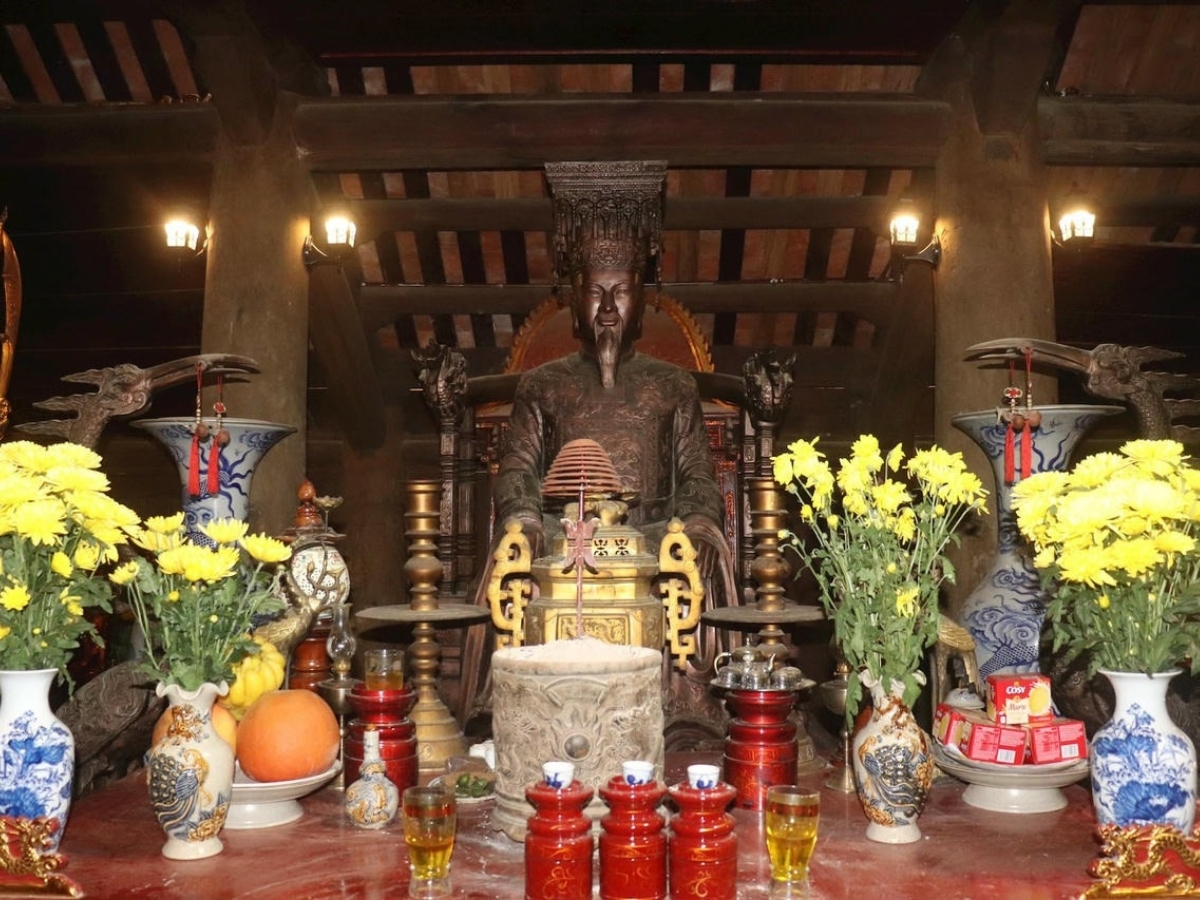
Statue of King Le Hoan cast in bronze at the temple. (Source: Collected)
Annually, from the 7th to the 9th day of the 3rd lunar month, the Le Hoan temple festival is solemnly organized with solemn rituals, processions, wrestling competitions, and vibrant dragon dances. Not only is it a place to worship the king who made great contributions to the country, the Le Hoan temple is also a symbol of solidarity, gratitude, and the moral principle of "when drinking water, remember its source", contributing to the glory of the "land of spiritual significance and outstanding people" Thanh Hoa.
Less mentioned, but Mai An Tiêm Temple possesses its own unique charm among the historical sites of Thanh Hoa. The temple is a place to commemorate the legendary figure Mai An Tiêm, who pioneered the Nga Son region and is considered the ancestor of watermelon cultivation. According to legend, Mai An Tiêm was the adopted son of King Hung, famous for his honesty, self-reliance, and strong will. When exiled to a deserted island, he discovered and cultivated the first variety of red watermelon.
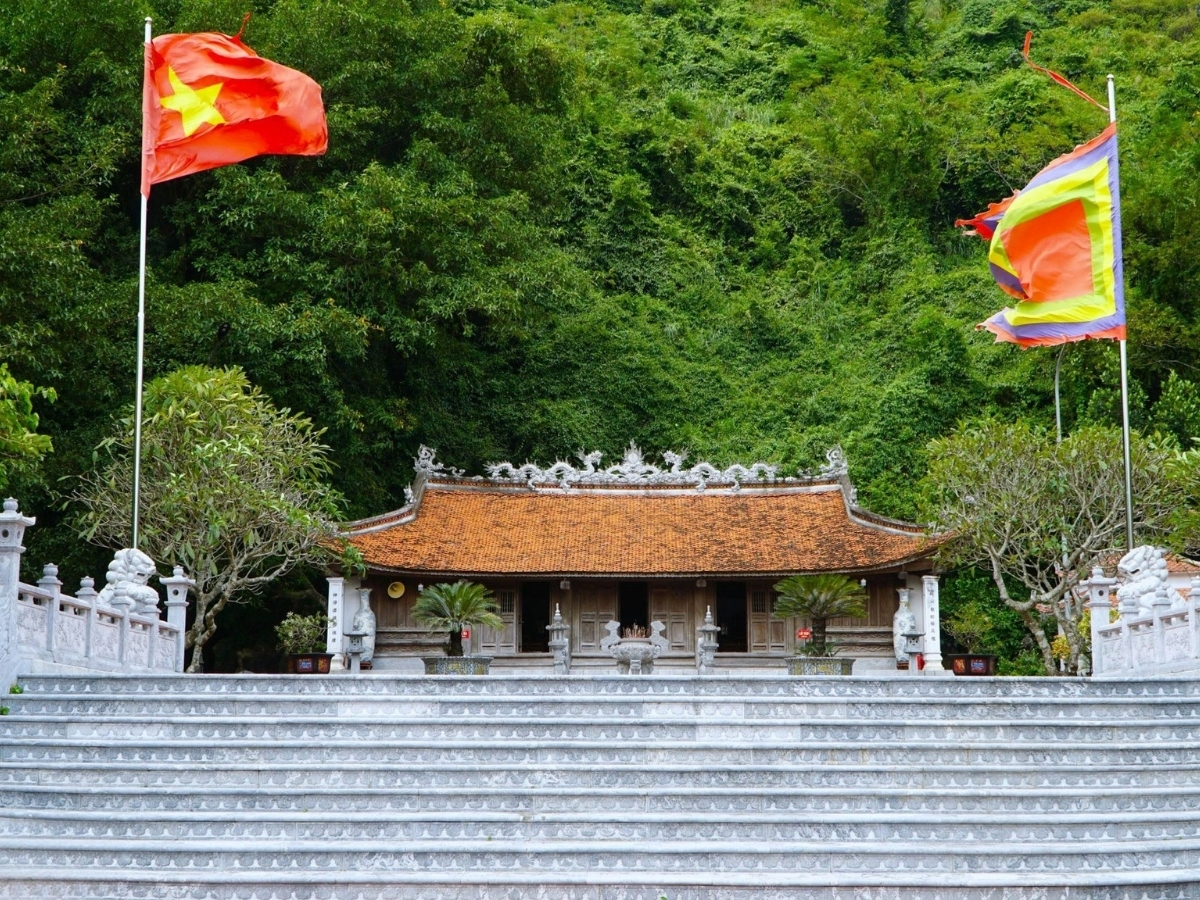
Mai An Tiêm Temple is associated with a prominent historical figure. (Source: Collected)
The ancient temple has existed for centuries and was renovated and restored in 2010, completed in 2012. The entire campus covers thousands of square meters, surrounded by greenery and vast melon fields. The temple's architecture is simple, harmonizing with the natural landscape, evoking a sense of peace and closeness, a place where visitors can offer incense to remember the ancients, while also feeling the diligent working spirit of the coastal land of Thanh Hoa.
Annually, from the 12th to the 15th day of the 3rd lunar month, the festival at the temple is solemnly organized, attracting numerous visitors from all directions to attend. The festival expresses gratitude to the person who pioneered the land and inspires the spirit of self-reliance and creativity of the Vietnamese people. Today, Mai An Tiêm Temple is not only a spiritual cultural destination but also a symbol of strong will, resilience, and the aspiration to rise of Vietnamese people.
From Hanoi, visitors have many convenient transportation options. The Phap Van - Ninh Binh - Thanh Hoa expressway allows travel by private vehicle in 3 to 4 hours. If choosing the SE train line, it takes about 3.5 to 4 hours with ticket prices ranging from 90,000 to 280,000 VND depending on the seat type. Passenger buses and limousines are also chosen by many people with travel times from 3.5 to 5 hours, ticket prices around 180,000 to 350,000 VND per person.
Visitors from Ho Chi Minh City can choose to fly to Tho Xuan Airport with flight times ranging from 1.5 to 2 hours. From the airport, traveling by car to Thanh Hoa historical sites is very easy thanks to the convenient transportation system.
To make the trip reasonable, visitors should depart early in the morning to have more time for exploration. Especially during major festivals or weekends, it is necessary to book tickets and accommodation in advance to ensure suitable accommodation and the best experience.
When visiting spiritual sites, one should choose polite, modest attire to ensure respect for the sacred space. For places requiring climbing such as Nua Mountain, Am Tien, sports shoes should be worn and suitable equipment for outdoor activities should be prepared. A respectful attitude towards rituals and sacred spaces of Thanh Hoa historical sites is a demonstration of civilized beauty when visitors tour.
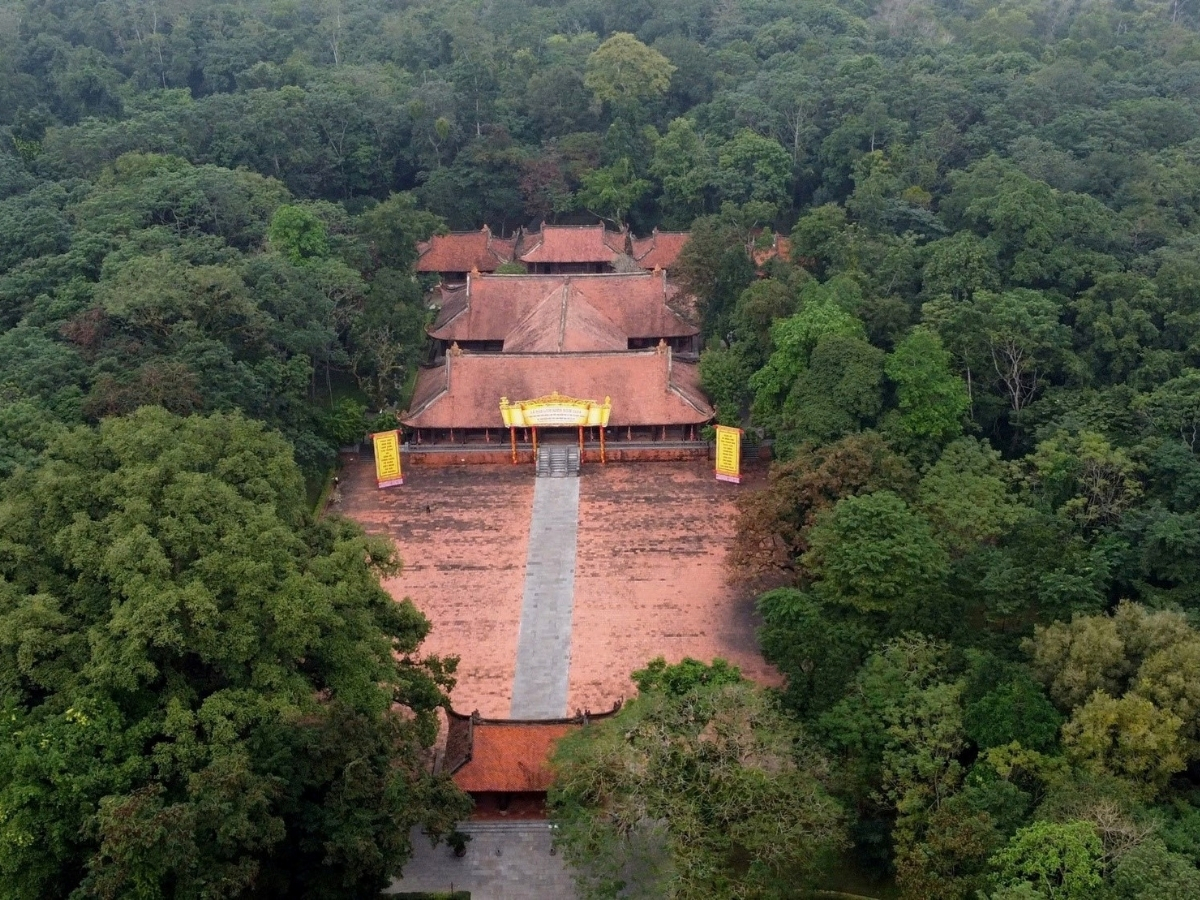
Lam Kinh Historical Site viewed from above. (Source: Collected)
The best time for photography and sightseeing is at 7 AM or from 4 to 5 PM. This is the time with soft light, cool air, and fewer crowds, making it easy to capture impressive moments and fully enjoy the trip.
For accurate information on opening hours, ticket prices, and special events in 2025, visitors can follow the website of the Thanh Hoa Department of Tourism or call the tourist support hotline if you have questions. Updating this information early will help your journey to visit the historical sites of Thanh Hoa be smoother and more proactive.
On the journey to explore the famous heritage sites of Thanh Hoa, visitors can not only immerse themselves in the unique historical and cultural space but also have the opportunity to enjoy dishes with rich traditional flavors:
Thanh Hoa Fermented Pork Rolls: A famous specialty with a mild sourness, chewy texture, and characteristic spicy garlic and chili flavor. The rolls are made from pork, wrapped in green banana leaves, and naturally fermented. This is an iconic dish, embodying the traditional flavors of Thanh Hoa.
Tu Tru Black Leaf Cake: Made from finely pounded ramie leaves mixed with glutinous rice, a filling of green beans, and rich grated coconut. The glossy black, chewy, and fragrant crust, along with its subtly sweet taste, makes Tu Tru Black Leaf Cake a meaningful rustic gift for visitors.
Phu Quang Che Lam: A rustic treat made from glutinous rice flour, sugarcane molasses, ginger, and roasted peanuts. The dish has a chewy, nutty, and slightly spicy flavor. Che lam is often enjoyed during Tet holidays or traditional festivals.
Thanh Hoa Rolled Rice Cakes: Unlike the rolled rice cakes of the North, Thanh Hoa's version has a thin, chewy wrapper, and a rich filling of pork and wood ear mushrooms. The cakes are served with a sweet and sour dipping sauce made from fish sauce, lime, garlic, and chili, creating an unforgettable flavor.
Nga Son Eel Salad: A famous coastal dish, prepared from fresh eel, mixed with roasted rice powder, galangal, lemongrass, chili, and aromatic herbs. The eel salad has a rich, sweet, and aromatic flavor, served with fig leaves, medicinal herb leaves, and a special sweet and sour fish sauce dip.
Thanh Hoa is not only a place that preserves heroic historical pages but also a journey of cultural discovery with diverse colors. The seven historical sites of Thanh Hoa introduced here will surely bring visitors profound experiences, helping them understand more about the spirit of solidarity and the cultural identity of Vietnam. Plan your memorable trip to Thanh Hoa in 2025 now!
Let's start your vacation!

Special offer up to 30% when booking tickets on the Sun Paradise Land app
Related topics

