


Cuisine

Complete information about the Xuan Pha Folk Performance, a cultural heritage of Thanh Hoa province.
Tro Xuan Pha belongs to the traditional folk performance art genre, formed and continuously developed for over a millennium. It is a combination of folk dances, recreating the scene of five ancient nations: China, Holland, Tu Huan, Champa, Ai Lao paying homage to the King of Nam Viet, taking place at Nghe Xuan Pha, Tho Xuan commune, Thanh Hoa province. Recognized as a national intangible cultural heritage in 2016, Tro Xuan Pha stands as a testament to the unique cultural value of this land.
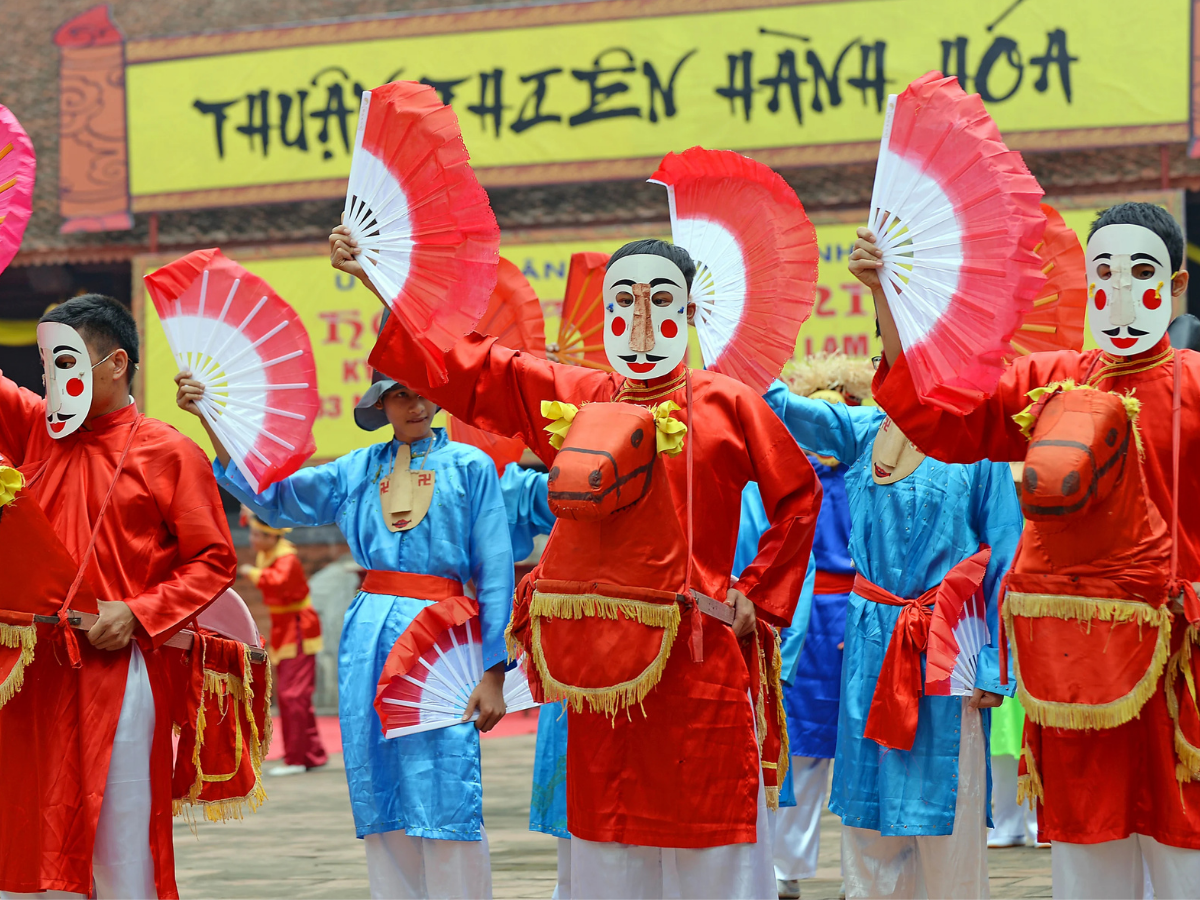
Tro Xuan Pha is a type of traditional folk performance art. (Source: Collected)
When witnessing Tro Xuan Pha firsthand in the performance space, visitors will clearly feel the combination of courtly beauty with the rustic breath of folk life. The resonance of drums and gongs, combined with graceful dance movements, creates a vivid artistic picture reflecting historical depth.
What makes Tro Xuan Pha distinctive is the skillful combination of courtly and folk art. Each movement, each melody in the performance is an expression of refined aesthetic concepts as well as the creative spirit of the people of Thanh Hoa.
Compared to many other forms of folk art, Tro Xuan Pha stands out for its historical aspect, by realistically recreating the scene of neighboring countries coming to pay homage. The appearance of five nations in the performance both demonstrates cultural exchange and affirms the position and role of Dai Viet in regional history. Each group of performers representing a nation wears its own costumes, movements, and musical colors, bringing a diverse picture of culture within a harmonious artistic whole.
According to stories passed down from generation to generation, Tro Xuan Pha appeared during the Dinh Dynasty (968-980). When Dinh Bo Linh went to suppress the rebellion of the warlords, he once stopped to set up camp in the Quan Thanh area, now part of Tho Xuan district, Thanh Hoa province. Here, a grand festival was organized with the participation of surrounding nations.
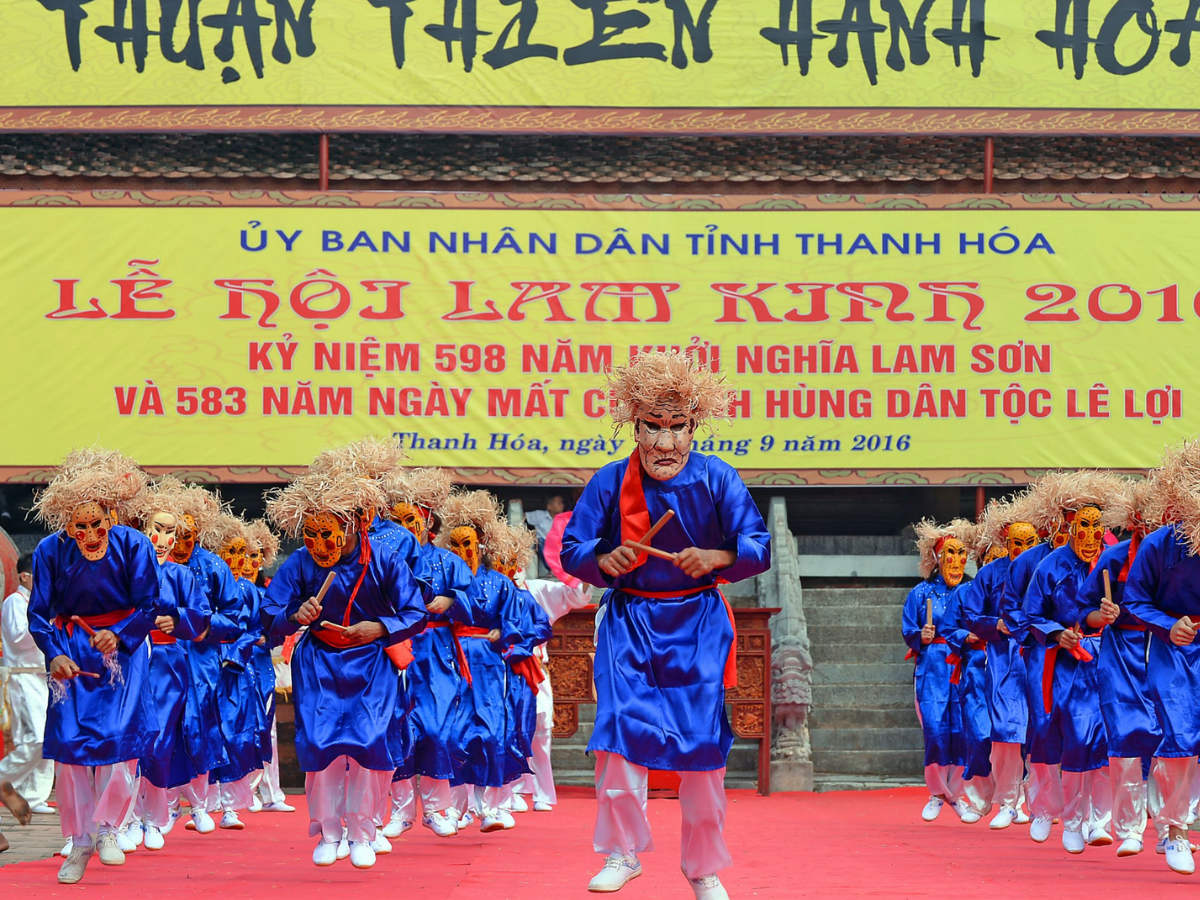
Tro Xuan Pha originated during the Dinh dynasty (968-980). (Source: Collected)
Legend has it that five ancient nations (China, Netherlands, Tu Huan, Champa, Laos) sent envoys to express their reverence and loyalty to King Dinh. This image of "five vassal states" paying tribute was remembered by the local people and staged as a unique artistic performance. From then on, Tro Xuan Pha was formed as a vivid milestone of a glorious period in the nation's history.
Through many periods, Tro Xuan Pha was maintained and developed, most brilliantly during the Early Le dynasty. During this period, Tro Xuan Pha was not only preserved but also perfected in terms of performance techniques, costumes, and music.
Historical records show that this cultural feature played an important role in expressing the spirit of solidarity as well as reflecting the exchange relations between Dai Viet and neighboring countries. The performance was often organized on major festival occasions, serving cultural activities and honoring the nation's prestige. Despite certain changes through the dynasties, the core values and spirit of Tro Xuan Pha have been preserved intact to this day.
To witness Tro Xuan Pha firsthand, visitors need to go to the Nghè Xuan Phả relic site, located in Xuan Pha village, Tho Xuan commune, Thanh Hoa province. This is a land rich in tradition, associated with the famous Lam Son uprising in history. From the center of Thanh Hoa province, traveling about 40 km southwest will take visitors to this unique cultural space.
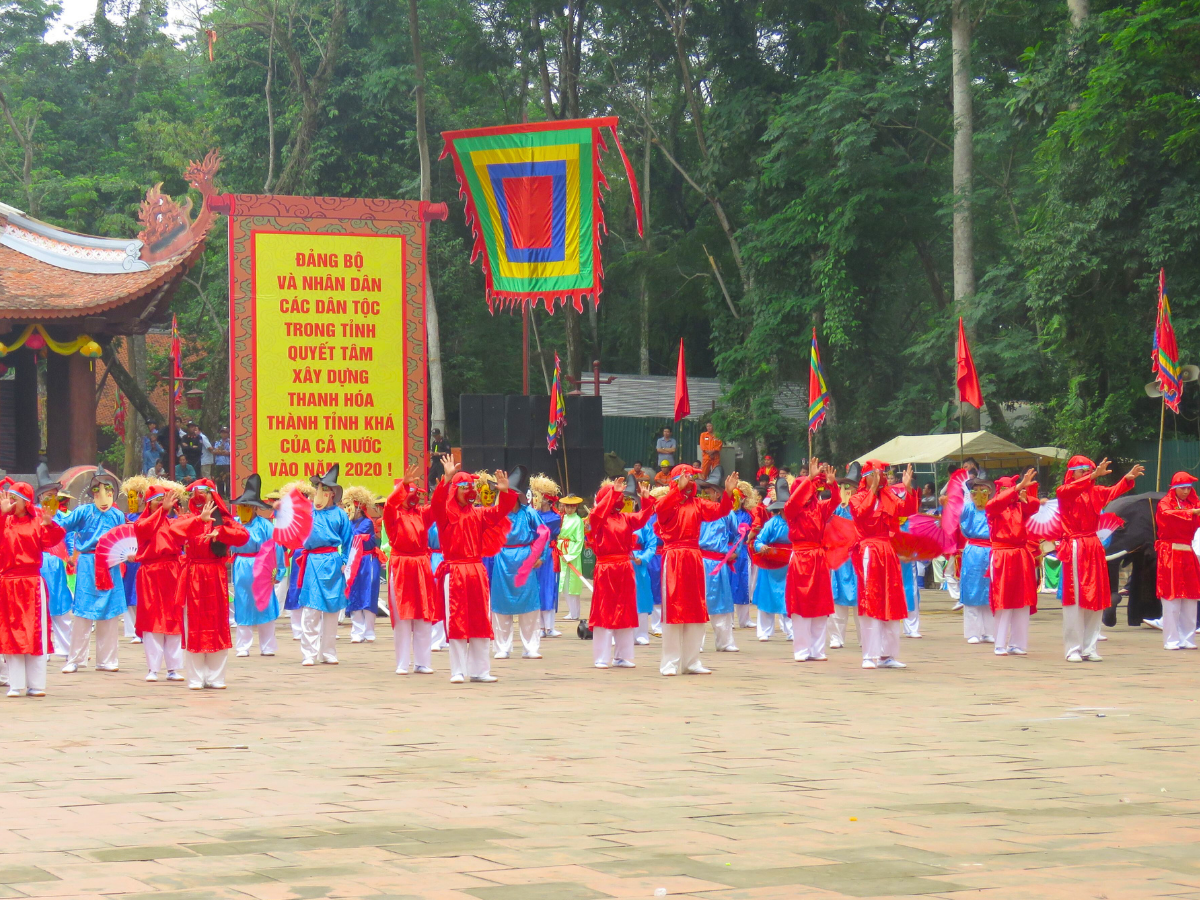
Tro Xuan Pha festival is held at the Nge Xuan Pha relic site, located in Xuan Pha village, Tho Xuan commune, Thanh Hoa province. (Source: Collected)
Surrounding the relic site is a majestic mountainous landscape with lush green rice fields. This peaceful and rustic village atmosphere makes the performances more vivid, taking viewers back in time to the glorious golden years of the nation.
The Tro Xuan Pha festival is usually held from the 10th to the 12th of the 2nd lunar month annually, when spring arrives across the country. This time is chosen not only for traditional reasons but also for favorable weather conditions, suitable for outdoor activities.
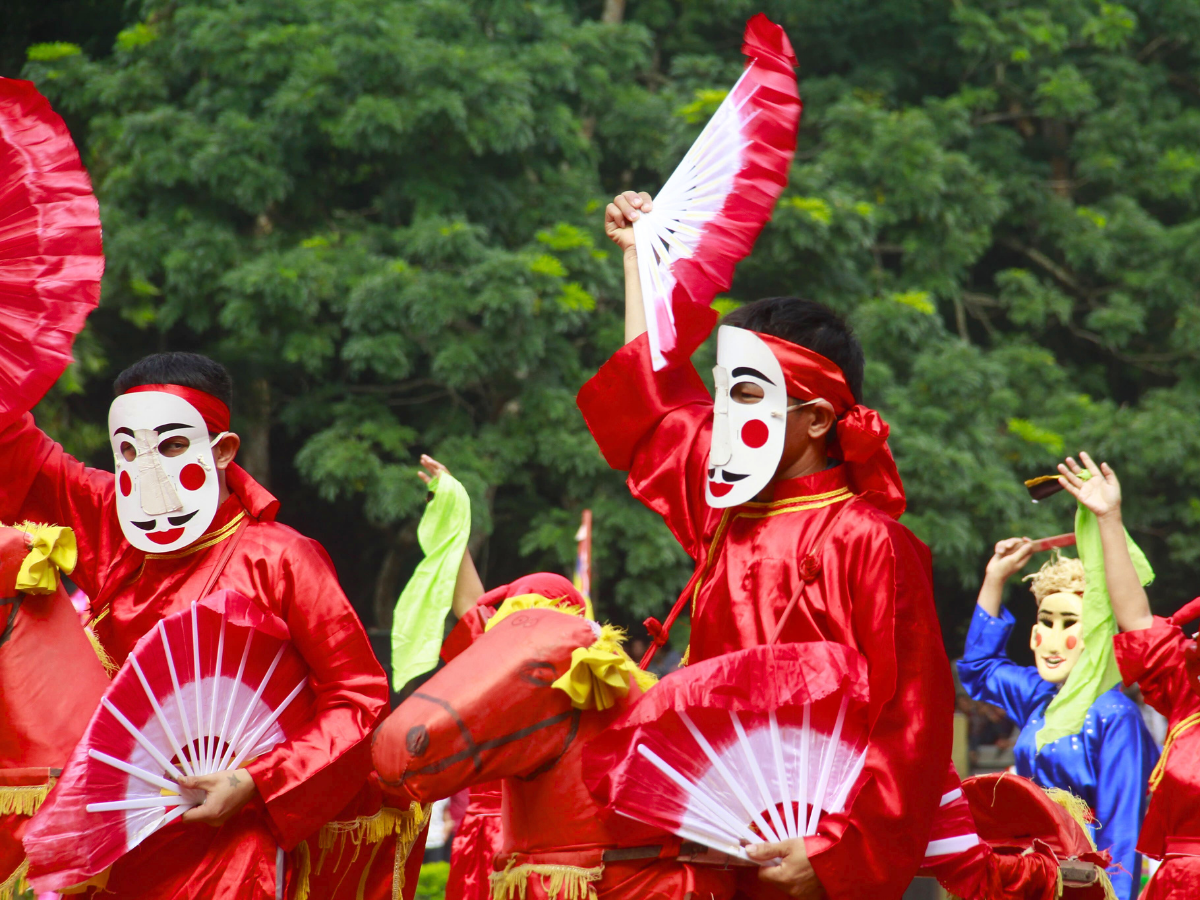
The atmosphere in Xuan Pha village during the festival days became lively, filled with laughter and music. (Source: Collected)
During the three days of the festival, the atmosphere in Xuan Pha village became lively, filled with laughter and music. Besides the Tro Xuan Pha performances, visitors also had the opportunity to participate in many other artistic activities such as Quan Ho singing, water puppetry, and folk games. This event attracted a large number of local residents and visitors from all directions, creating a vibrant and warm cultural exchange space.
September 2016 marked a major turning point when Tro Xuan Pha was officially recognized as a National Intangible Cultural Heritage by the Ministry of Culture, Sports and Tourism. This not only affirmed the position of Tro Xuan Pha in the treasure trove of Vietnamese heritage but also opened up new opportunities for the preservation and promotion of traditional values.
The local community plays a leading role in preserving this precious heritage. Elderly artisans diligently impart their performance skills to the younger generation, ensuring that Tro Xuan Pha is always fully preserved. Currently, Xuan Pha village has many artisans and performers directly involved, many of whom have been associated with Tro Xuan Pha for several decades.
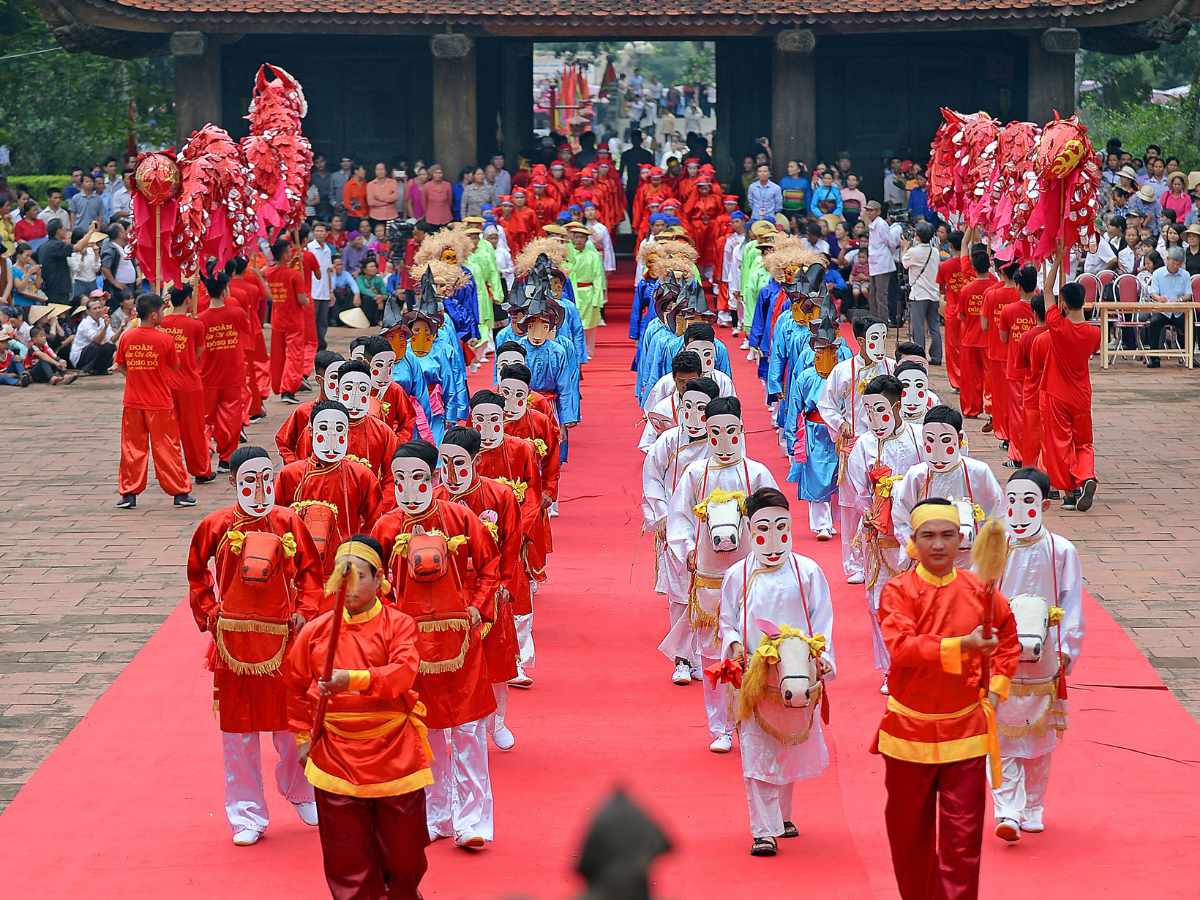
The Xuan Pha Play is getting closer and closer to the general public, attracting the attention of domestic and international tourists. (Source: Compilation)
Besides local performances, the Xuan Pha Play is also introduced at many major cultural festivals nationwide and many international cultural events. As a result, the Xuan Pha Play is getting closer and closer to the general public, attracting the attention of domestic and international tourists.
To help tourists understand more deeply about the heritage, many guided tours with professional guides have been organized. Thereby, tourists not only enjoy the performances but also learn thoroughly about the formation history, meaning, and characteristics of each dance move. Some programs even allow tourists to try their hand at basic dance steps, bringing authentic, unforgettable experiences.
The perfect choice to explore the Xuan Pha Play is the festival occasion in the 2nd lunar month, when spring colors cover the Thanh Hoa region. Tourists should spend 2 to 3 days to fully enjoy the beauty and atmosphere of this place. On the first day, tourists can immerse themselves in the festival atmosphere, enjoy unique performances, and learn deeply about the history of the heritage.
On the next day, tourists can combine visits to prominent historical sites in the region such as Lam Kinh, which is considered the "ancient capital" of King Le Thai To, about 15 km from Xuan Pha village. This is an opportunity to admire the royal architecture of the Le dynasty and learn more about the heroic pages of the nation's history.
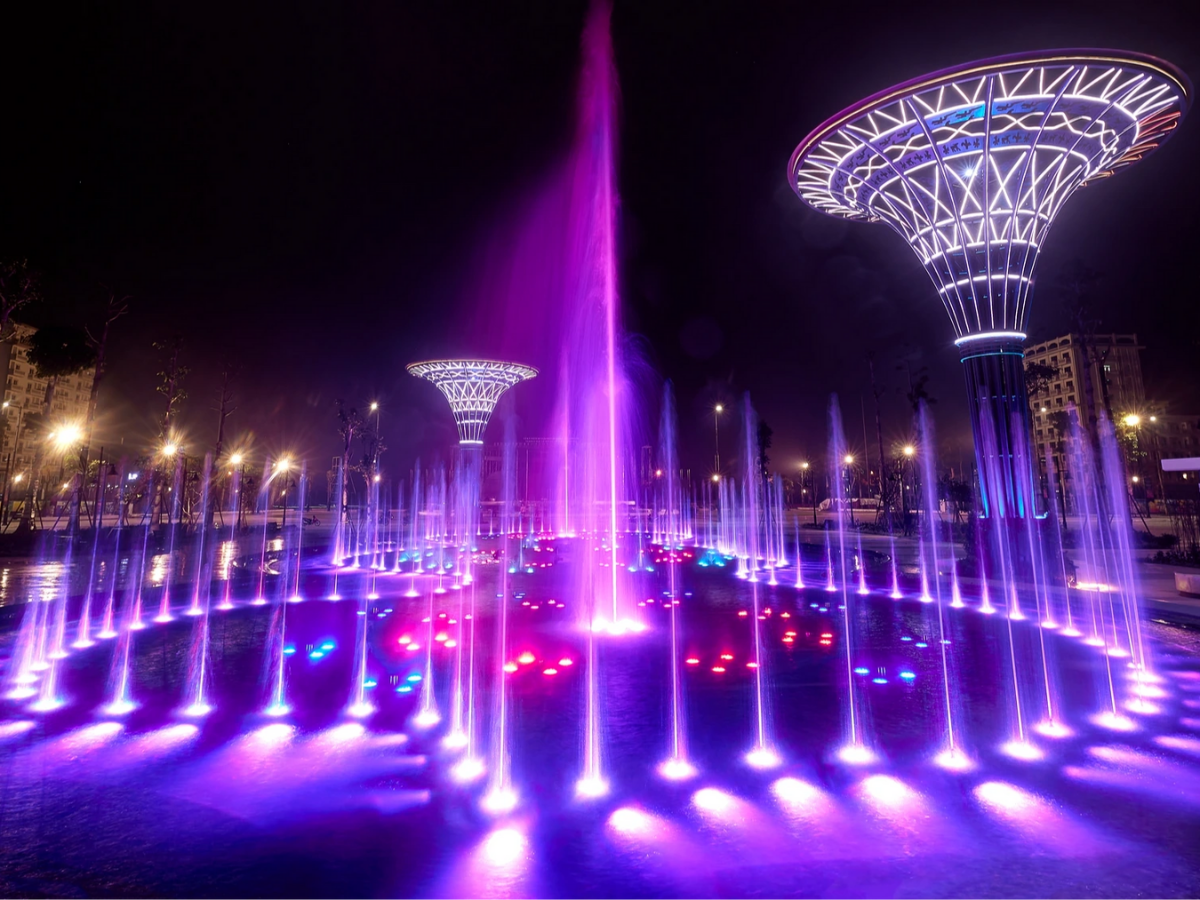
Enjoy the cool atmosphere and savor fresh seafood in the modern space of Sam Son beach square. (Source: Collected)
Ending the journey with a visit to Sam Son beach square, about 60 km from Tho Xuan, will bring visitors memorable experiences. Located right in the center of Beach D, the square features a vast space with a fountain and a vibrant coastal promenade. Visitors can stroll to watch the sunset over the sea, enjoy the cool atmosphere, and savor fresh seafood in the modern space of the coastal city of Thanh Hoa.
Xuan Pha Ritual is not only a unique cultural heritage but also a symbol of the spirit of solidarity and ethnic cultural exchange. With deep historical and artistic value, Xuan Pha Ritual offers an unmissable experience when exploring Thanh Hoa. Come and feel the soul of Vietnamese culture through this thousand-year-old heritage.
Let's start your vacation!

Special offer up to 30% when booking tickets on the Sun Paradise Land app

