


Travel News

Greening Cat Ba from 2026 to 2030: How Will the Visitor Experience Change?
Cat Ba's green transition strategy for 2026–2030 identifies green transportation as one of its key breakthroughs. Under Resolution No. 03-NQ/ĐU, the locality aims to ensure that 100% of newly invested or replacement buses and taxis use electricity or green energy by 2030. It also targets the transition to green energy for at least 80% of motorbikes and 50% of private vehicles on the island.
Part of this strategy has already been translated into practical changes to traffic management in central Cat Ba. From April 1, 2026, vehicles with 16 seats or more, except priority vehicles and public buses, are prohibited from parking on streets including 1/4, Tung Dinh, Nui Ngoc, Cat Tien, Nui Xe, and Lo II – Nui Ngoc. These vehicles are directed to designated transfer points and parking areas at Ang Soi Junction, Ben Beo Pier, and several other locations. Electric vehicles, buses, and shuttle services are also prioritized to connect visitors from parking areas to accommodation and sightseeing destinations.

Electric vehicles help ease traffic congestion and make it easier for visitors to travel between attractions in Cat Ba. (Photo: Collected)
Electric vehicles are also gradually being integrated into the island's transportation network. Cat Hai Special Zone allows four-wheeled motorized passenger vehicles to operate from 5 a.m. to 11 p.m. along several main roads, including Tung Dinh, Nui Ngoc, 1/4, Cat Tien, and Lo II – Nui Ngoc. From June 2026, the operating area was further expanded to include Nui Xe Road and the section connecting Nui Xe with Ben Beo, serving the transportation and sightseeing needs of residents and visitors.
At Viet Hai community tourism destination, local authorities handed over 88 electric motorbikes on September 30, 2026. Of these, 84 were allocated to eligible local households and four to local authorities, supporting the area's tourism development and ecological conservation goals.
Meanwhile, the Cat Hai–Phu Long Cable Car offers another convenient way to reach the island. Stretching 3,955 meters, with a 214.8-meter-high support tower recognized by Guinness World Records as the tallest of its kind in the world, and a designed capacity of 4,500 passengers per hour, the cable car allows visitors to leave their private cars at Cat Hai Station and travel directly across the sea to Phu Long Station without relying on ferry schedules.
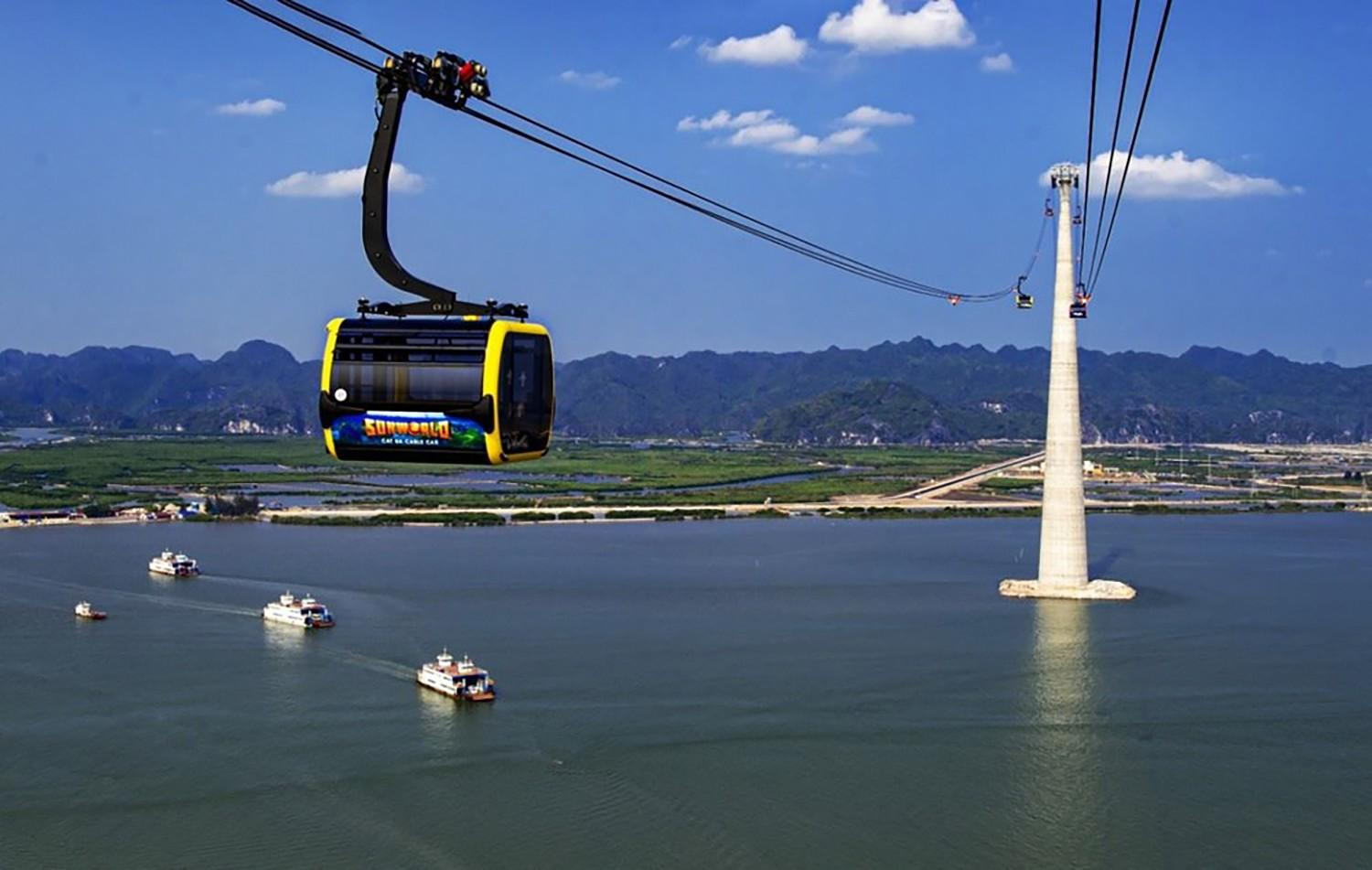
The Cat Hai–Phu Long Cable Car offers another way to cross the sea while enjoying panoramic views from above. (Photo: Collected)
While green transportation is changing how visitors access Cat Ba, visitor capacity management and digitalization will have a more direct impact on how they explore the destination. According to a report by the People's Committee of Cat Hai Special Zone, Cat Ba welcomed more than 4.18 million visitors in the first nine months of 2026, up 8.02% year on year. The locality has set a target of welcoming more than 4.7 million visitors for the full year. Sustained high visitor numbers highlight the need for better management of pressure on ecologically sensitive areas such as Lan Ha Bay and Cat Ba National Park.
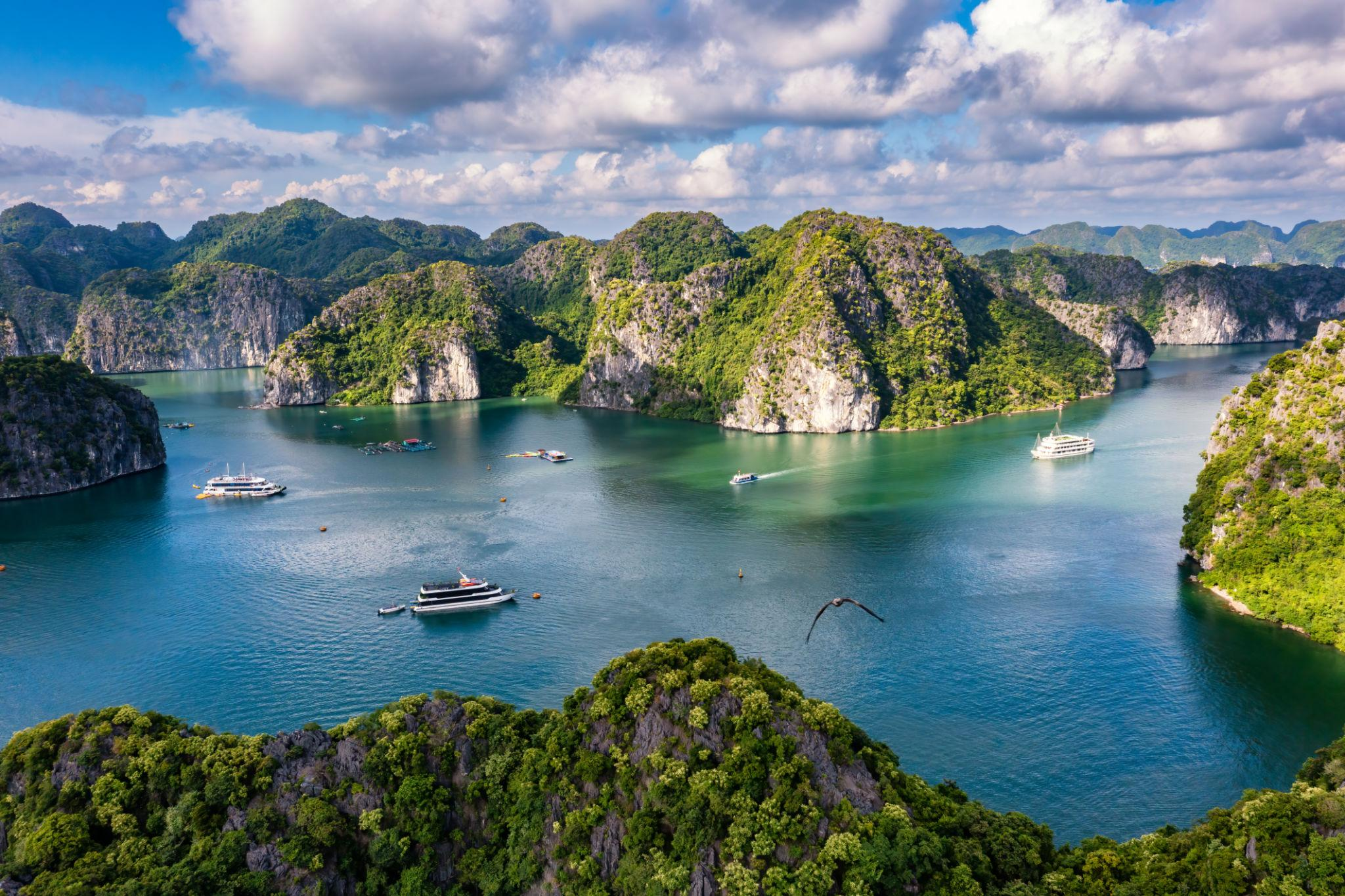
Rising visitor numbers highlight the need to manage tourism capacity, distribute visitor itineraries, and protect the ecosystem of Lan Ha Bay. (Photo: Collected)
Under the 2026–2030 roadmap, the special zone is gradually developing a tourism capacity management system. The proposed model will incorporate a centralized e-ticketing system, vessel journey monitoring, and designated conservation zones. In the near future, visitors may need to get used to booking in advance and following capacity limits. Sightseeing itineraries around the bay and forest trails may be regulated to prevent localized overcrowding at peak times.
Alongside these measures, digital services have been expanded since April 2026 through Cat Ba's digital tourism map and QR codes installed on public information boards. Visitors can use them to look up parking areas, routes, attractions, and essential services, making it easier to find information and plan their itineraries independently.
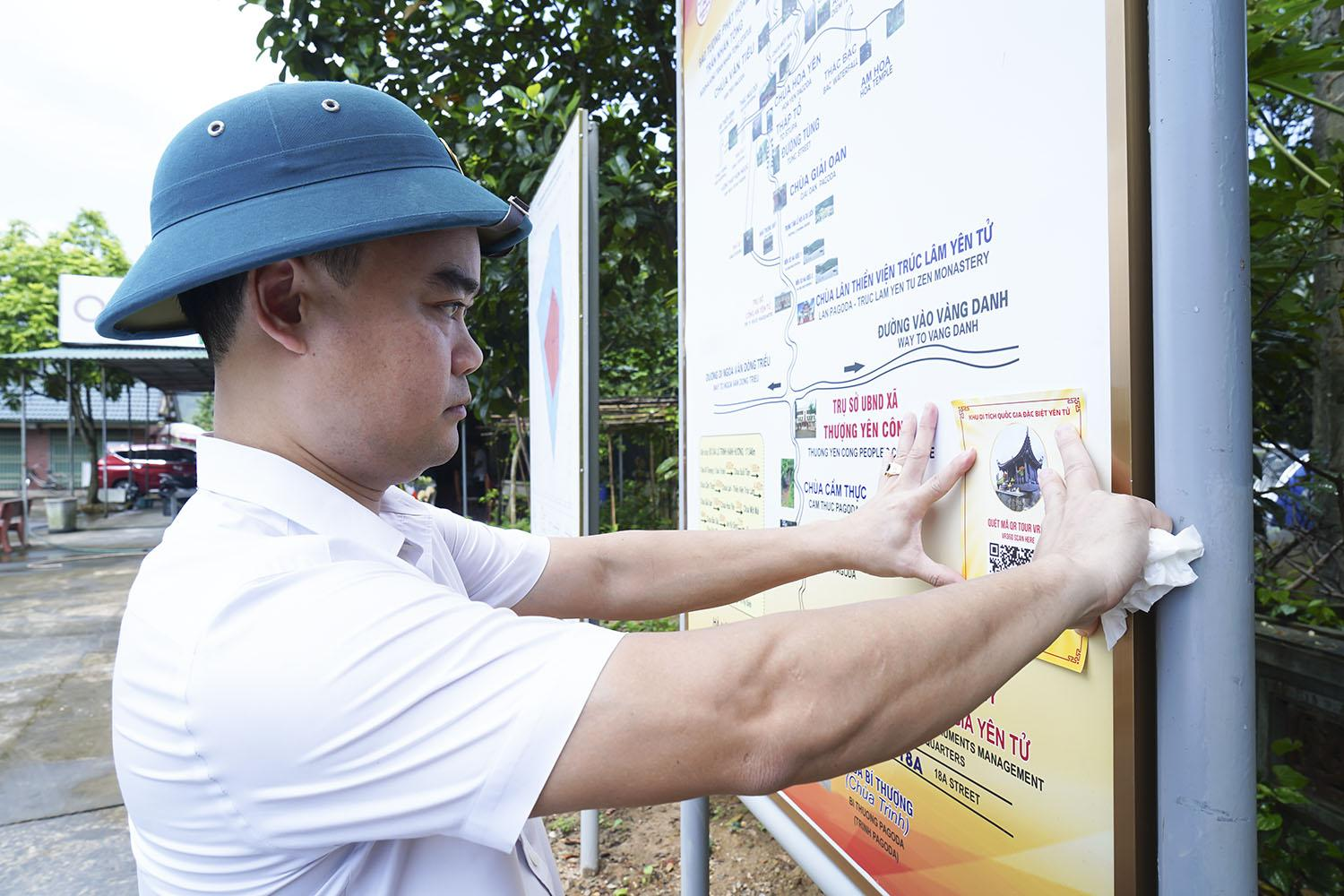
QR-code information boards help visitors look up parking areas, routes, attractions, and services across the island. (Photo: Collected)
Looking further ahead, Resolution No. 03-NQ/ĐU also calls for investment in modern domestic solid waste treatment systems, biodiversity conservation in core areas, and coral reef restoration. These measures aim to preserve natural resources and landscapes, which provide the foundation for activities such as trekking in Cat Ba National Park, exploring Lan Ha Bay, and learning about local culture.
Together, measures covering transportation, tourism capacity, digitalization, and environmental protection are broadening the way Cat Ba manages tourism. The focus is gradually shifting from accommodating seasonal visitor numbers to a more data-driven approach that regulates visitor flows according to the capacity of each area.
These changes mean visitors should plan a little more carefully before their trip:
Choose the right way to reach the island: Taking the Cat Hai–Phu Long Cable Car offers greater flexibility, with parking available at Cat Hai Station instead of bringing a car onto the island.
Check parking regulations: Vehicles with 16 seats or more are not allowed to park on central streets. Check with your tour operator in advance about designated transfer points and shuttle services.
Prioritize electric transportation: Use electric vehicles, buses, or shuttle services to travel between accommodation and sightseeing destinations.
Book services in advance: Lan Ha Bay tours, sightseeing tickets, and accommodation should be booked ahead of time, especially on weekends and during summer, when visitor access to certain areas may be regulated according to capacity limits.
Scan QR codes when needed: The digital map and QR codes on public information boards provide quick access to information about parking areas, routes, and services.
Travel responsibly: Avoid single-use plastics, do not litter in the bay, and stick to designated trails when trekking in Cat Ba National Park.

Digital services give visitors greater flexibility when exploring Cat Ba. (Photo: Collected)
The green transition does not make Cat Ba any less appealing. Instead, it helps preserve the island's clear waters, pristine forests, and peaceful way of life for the long term. For visitors, this creates an opportunity to explore Cat Ba at a more relaxed pace and in a more sustainable way.
Let's start your vacation!

Special offer up to 30% when booking tickets on the Sun Paradise Land app
Related topics

